
Oklahoma's Second City on the Arkansas
Listings in Tulsa, OK
Welcome to Tulsa, Oklahoma's second-largest city on the Arkansas River, where a nationally significant Art Deco skyline, a revitalized Greenwood District, and riverside parks anchor life in the state's northeast.
Tulsa is the second-largest city in Oklahoma and the seat of Tulsa County, situated along the Arkansas River in the northeastern part of the state. With a 2020 census population of about 413,000, it anchors a metropolitan area of roughly 1.06 million people that also includes suburbs such as Broken Arrow and Jenks. The city's modern identity flows directly from its early-20th-century oil boom: the discovery of major oil fields around the turn of the century transformed a small trading post into a financial center once known as the "Oil Capital of the World." That boom-era wealth is visible throughout downtown. Tulsa holds one of the country's most significant collections of Art Deco architecture, much of it built between the mid-1920s and early 1940s, and the Oil Capital Historic District preserves dozens of National Register-listed buildings. The skyline's Deco towers and the Cesar Pelli-designed BOK Center arena mark a downtown that has remained the region's commercial and civic heart. Culturally, Tulsa is layered and distinctive. The Greenwood District, once a thriving Black business district known as Black Wall Street, and its 1921 history are commemorated at the Greenwood Rising history center, a defining element of the city's identity. The Philbrook Museum of Art occupies an Italianate villa with 25 acres of gardens, and the Gilcrease Museum houses a major collection of American West art. Route 66 passes through the city, adding another strand of heritage to its streetscape. Residentially, Tulsa spans a wide range of neighborhoods, from the historic homes of Midtown's Maple Ridge and the commercial corridors of Brookside and Cherry Street to newer suburban-style development on the south and east sides. The city's park system is anchored by Gathering Place, a free 66.5-acre riverfront park along the Arkansas River, and by the River Parks trails that follow the waterway. Tulsa suits households seeking a mid-sized city with genuine cultural institutions, a distinctive architectural character, and a comparatively easy commute — most parts of the city are reachable within a short drive. Its combination of oil-boom history, a revitalized arts scene, and riverside recreation gives it a profile unlike any other city in the region.
Get more information about Tulsa
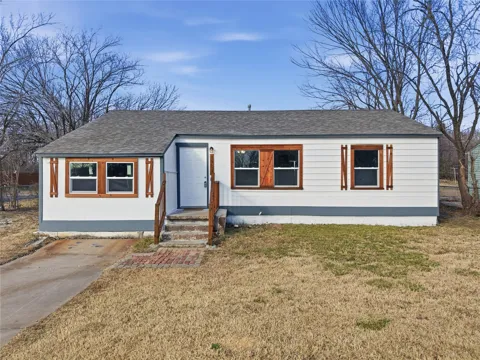
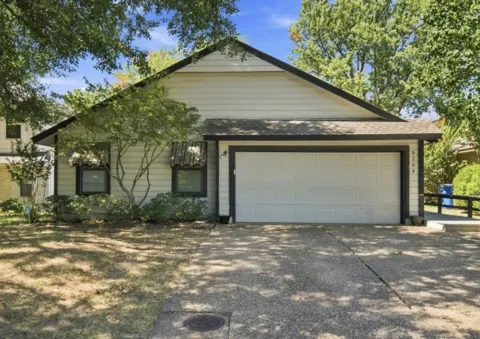
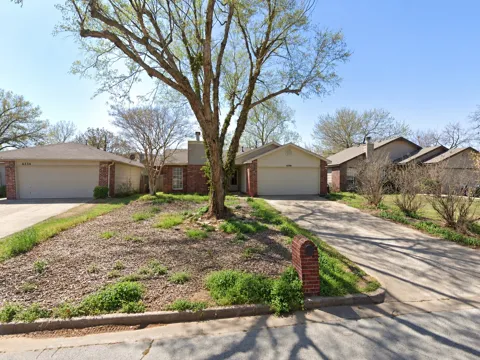
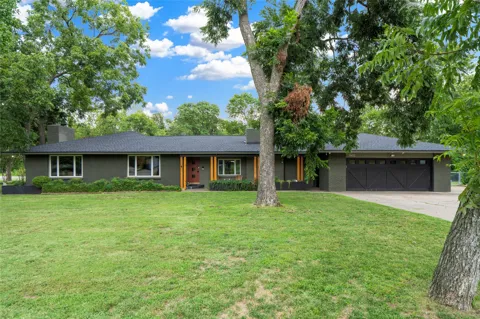
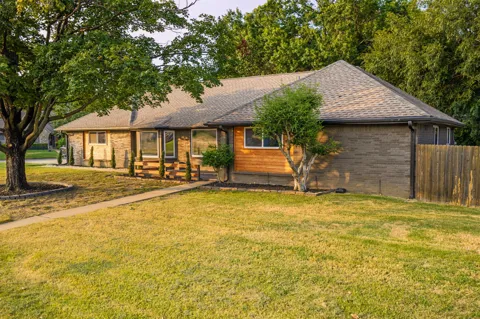
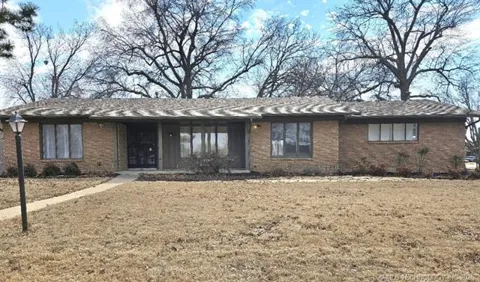
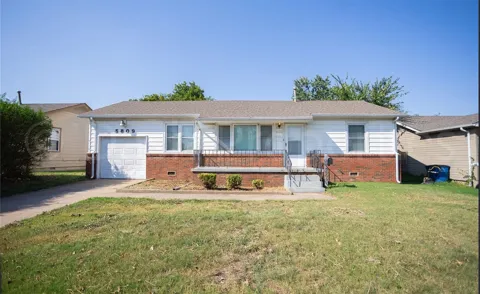
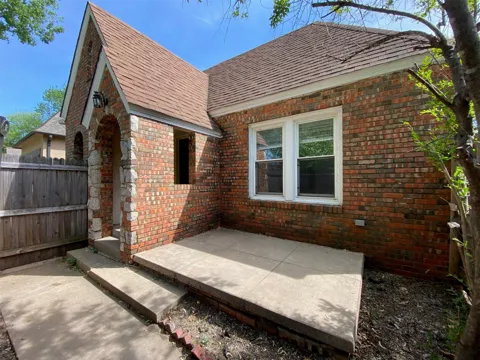
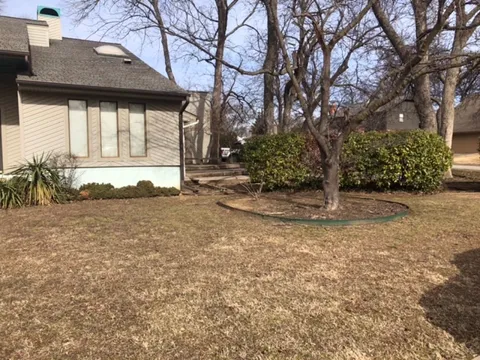
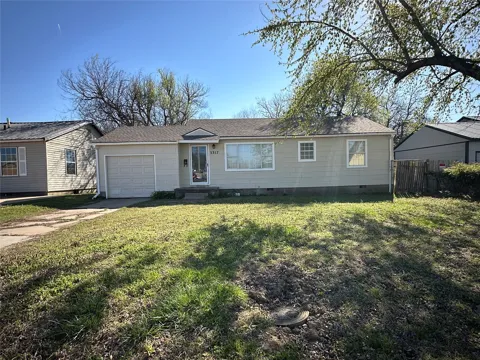
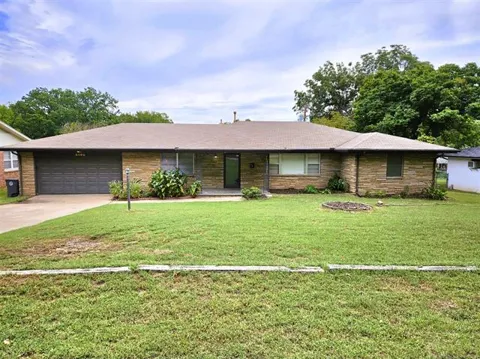
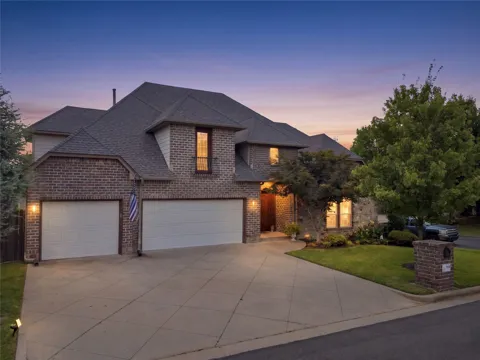
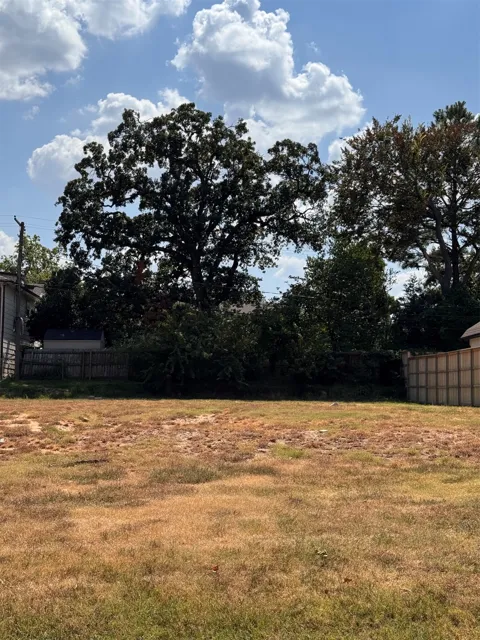
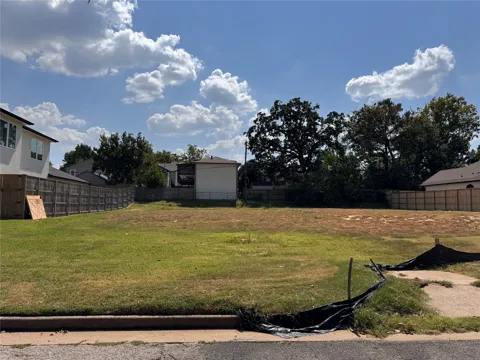
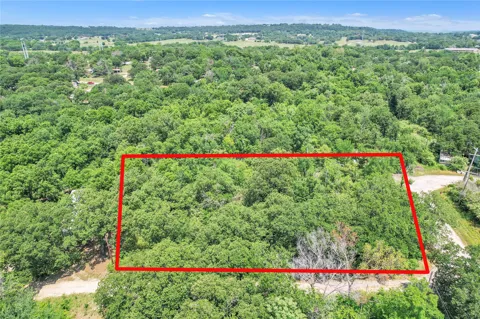
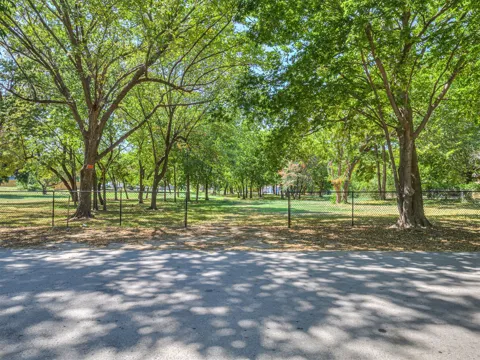
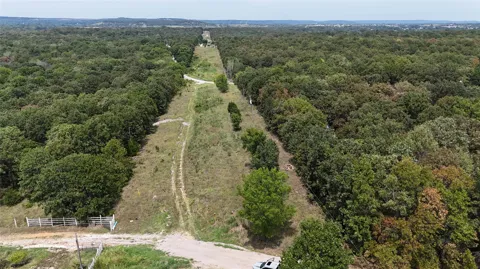
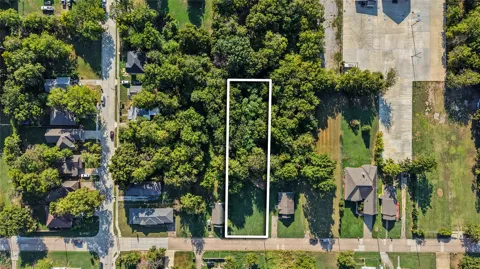
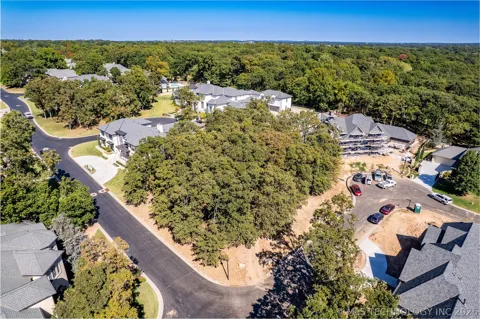
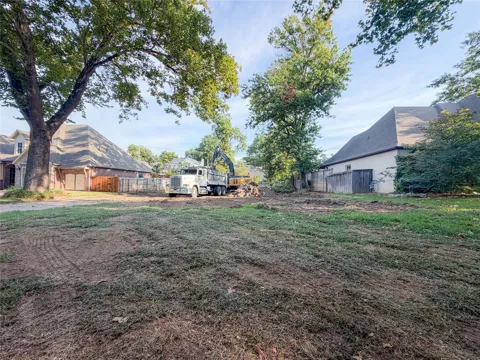
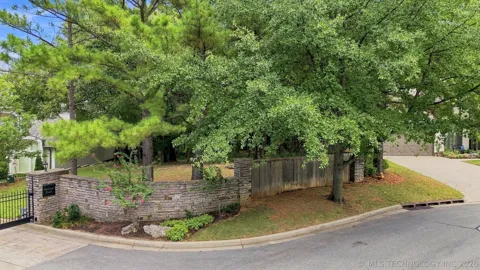
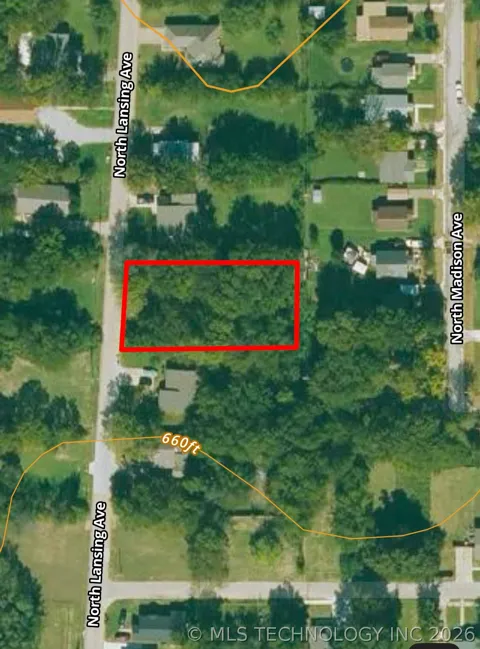
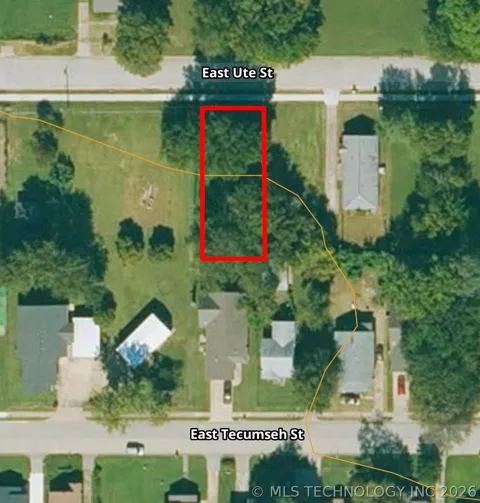
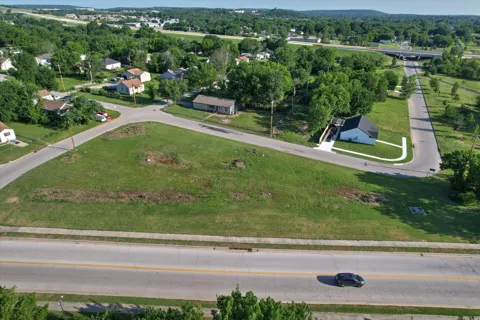
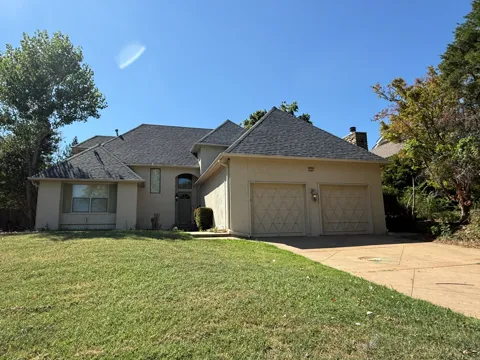
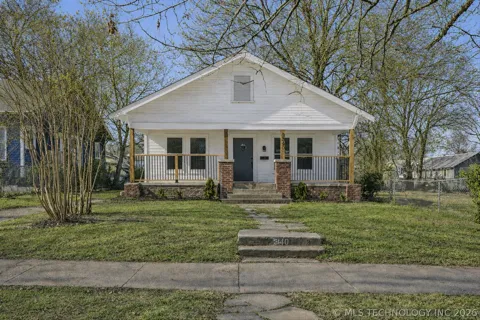
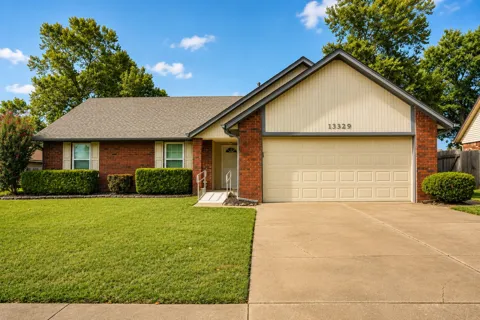
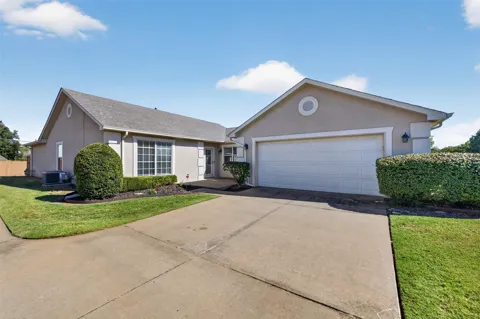
 4 photos
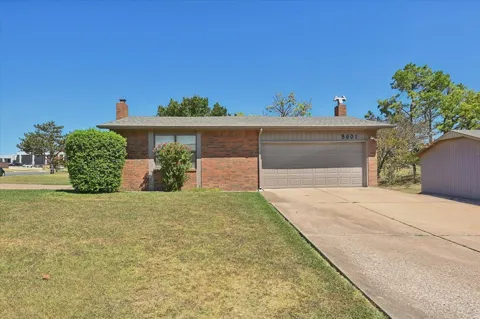
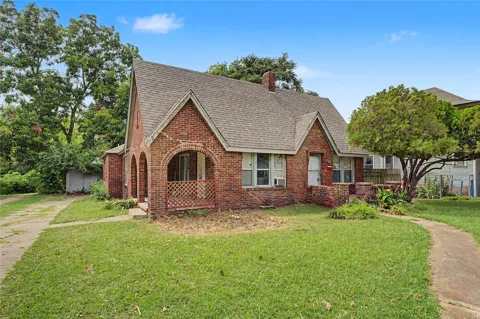
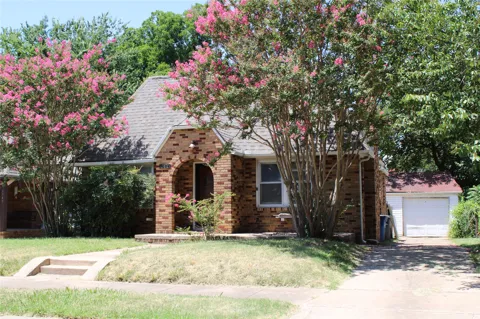
Houses in Tulsa, OK
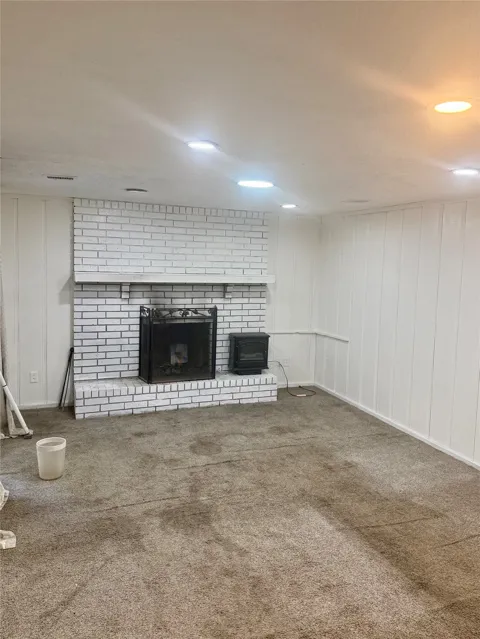
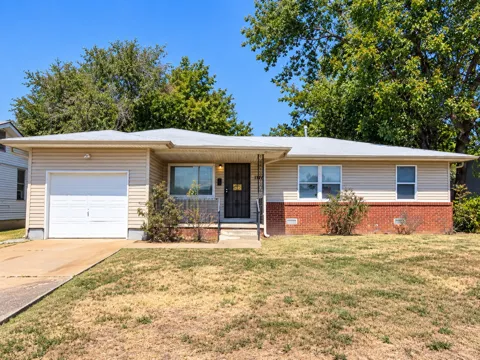
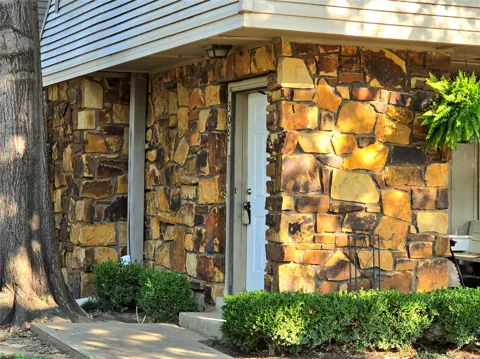
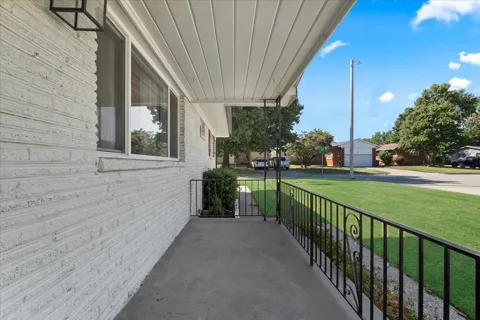
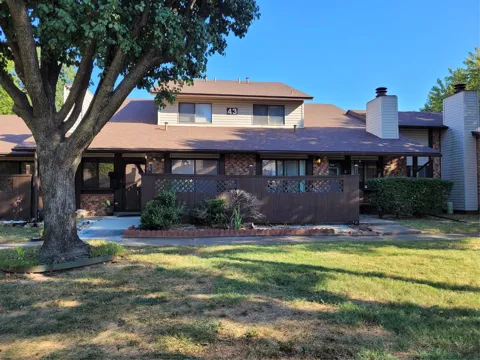
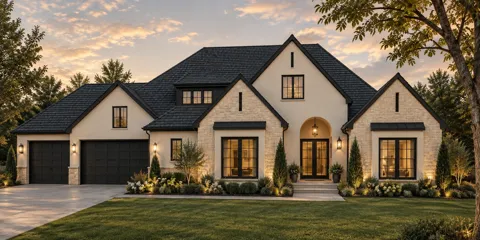
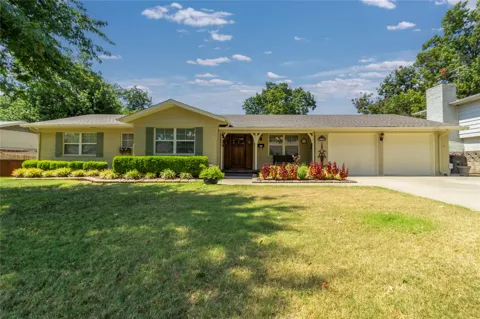
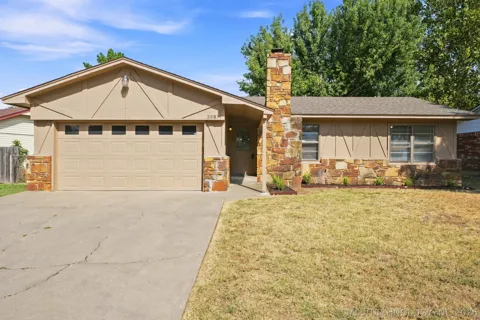
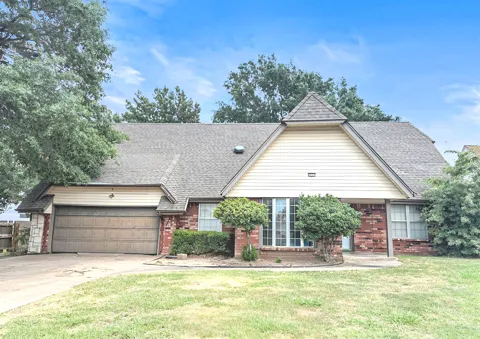
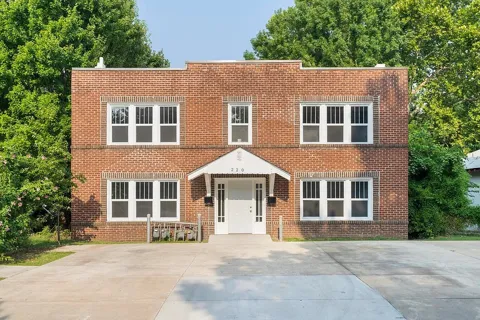
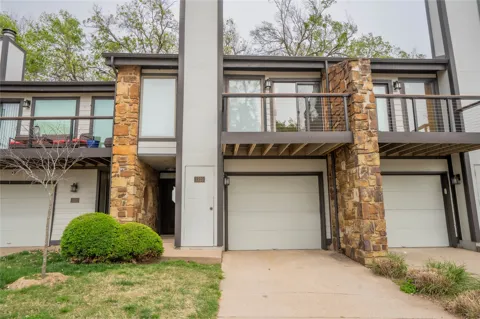
Townhouses & Duplexes in Tulsa, OK
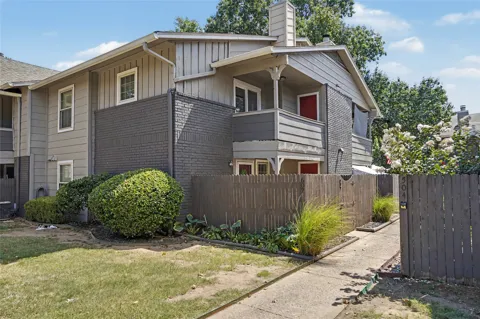
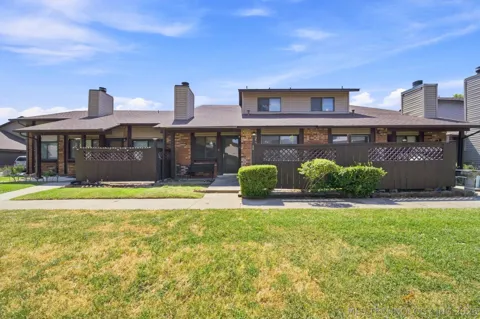
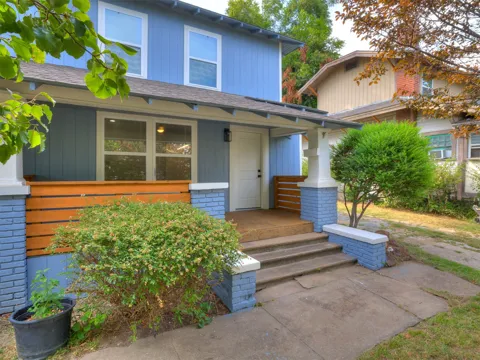
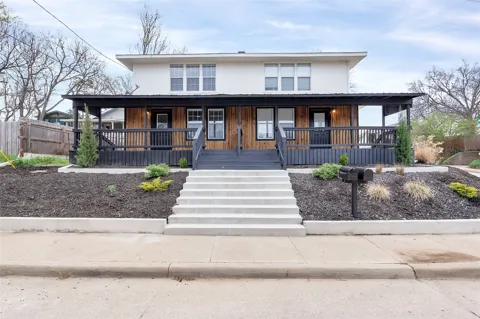
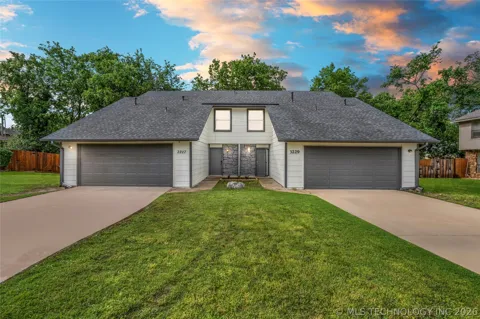
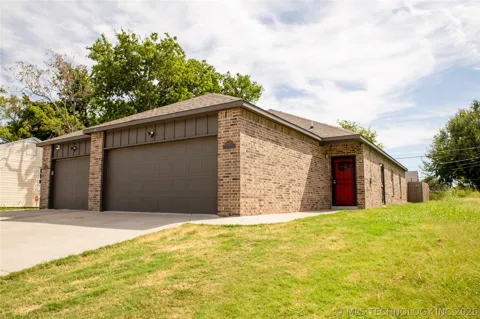
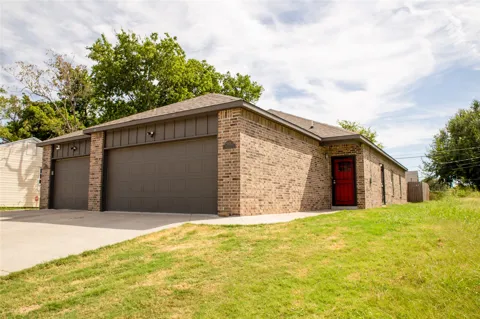
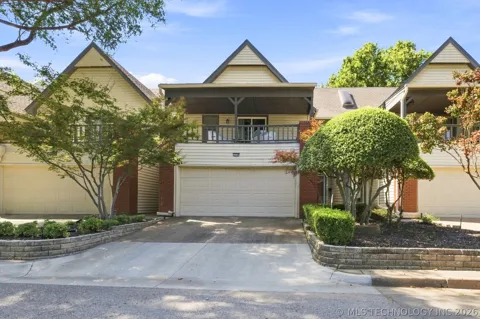
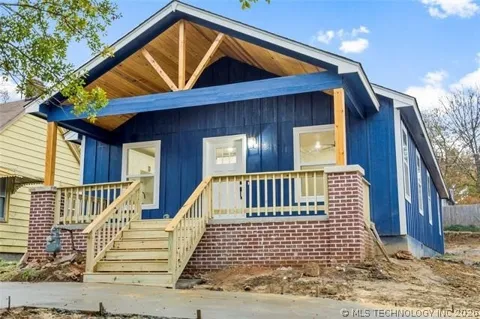
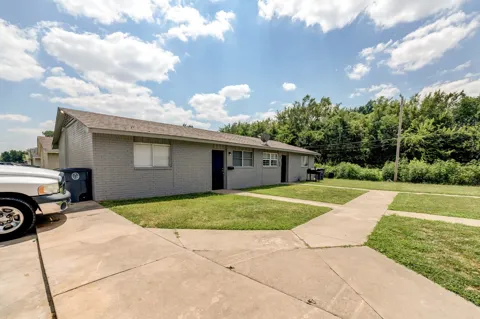
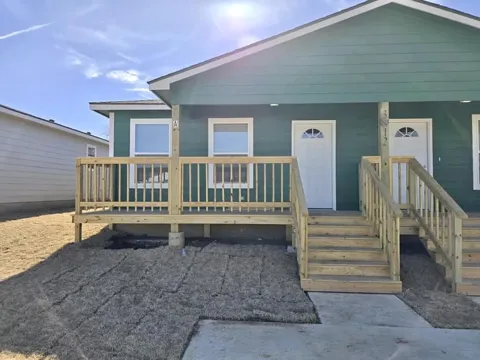
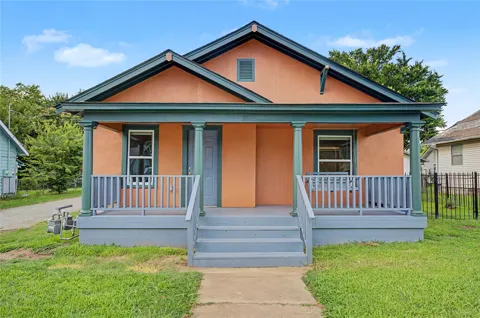
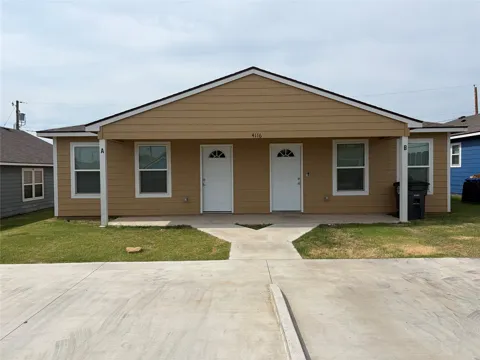
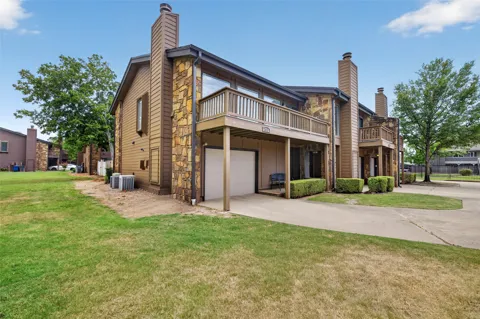
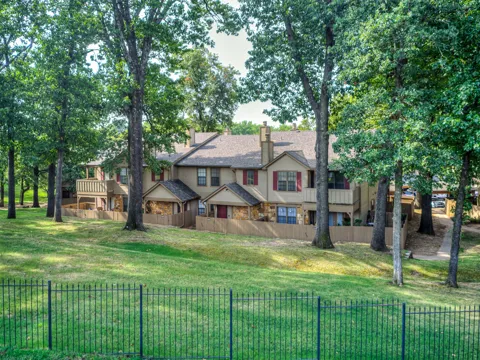
Condos & Apartments in Tulsa, OK
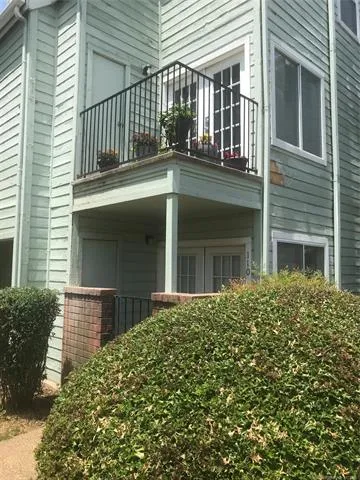
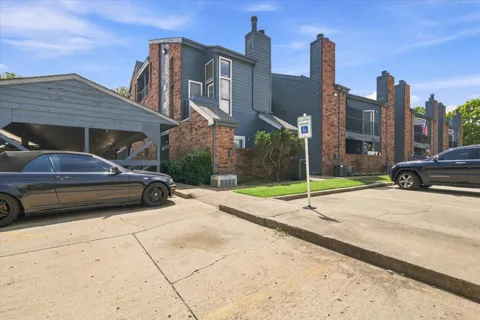
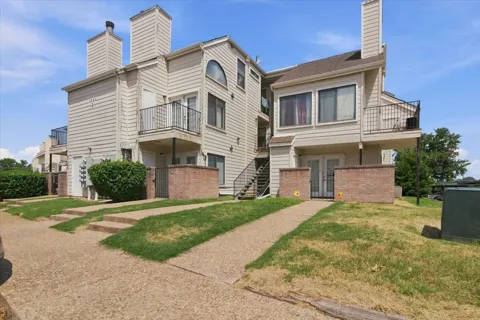
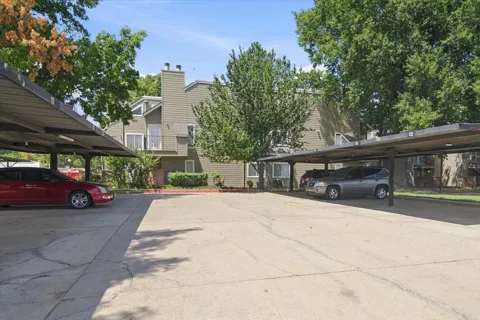
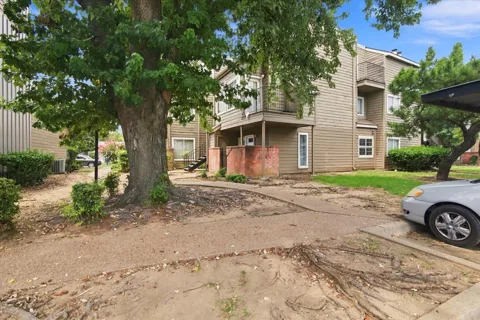
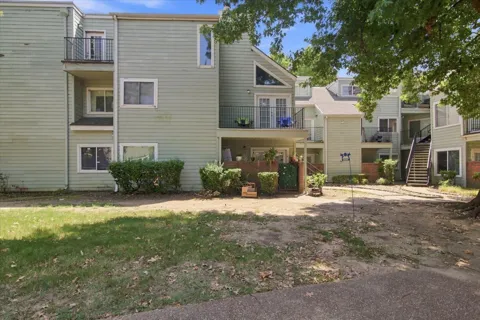
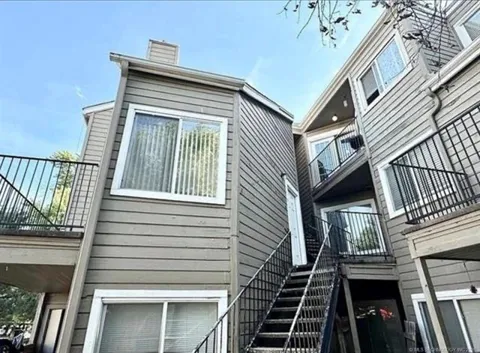
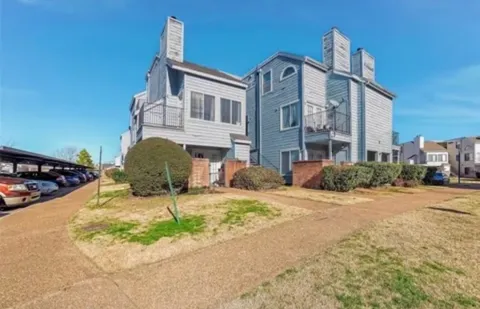
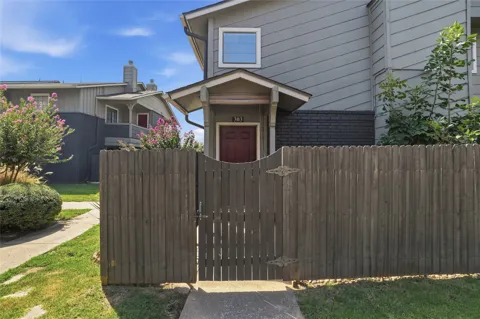
For Rent in Tulsa, OK




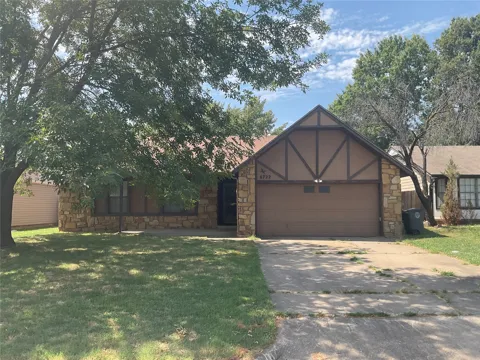
Lots & Land in Tulsa, OK
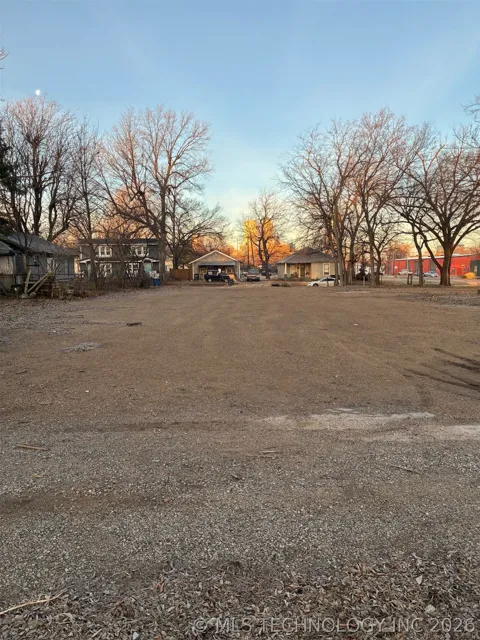
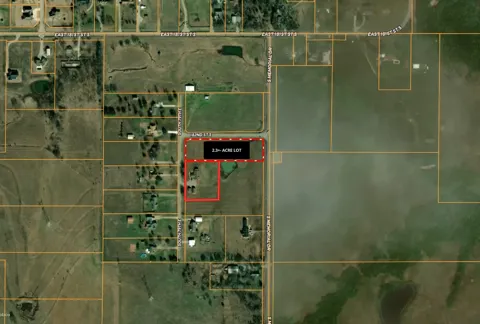



MARKET SNAPSHOT
The Market at a Glance
How homes have been selling here over the last 90 days.
Price & Sales History
Market data reflects closed sales over the last 90 days and is provided for informational purposes.
Zip Codes
BROWSE BY ZIP
Browse listings by postal code in this area.
City Guide
About Tulsa
Real Estate & Housing
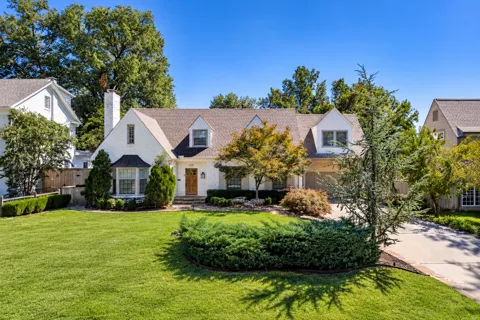
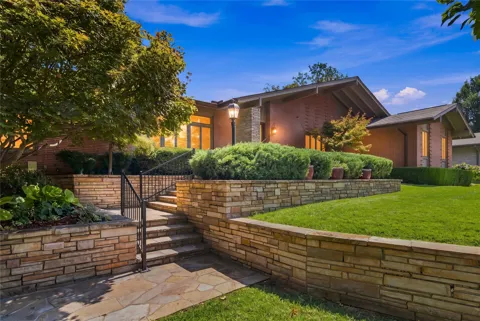
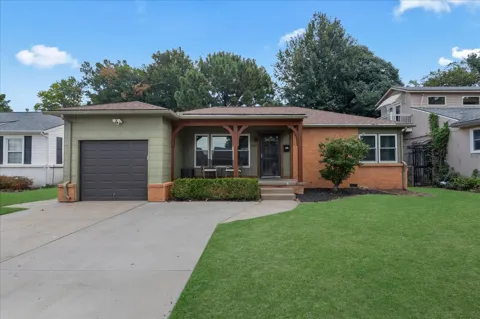
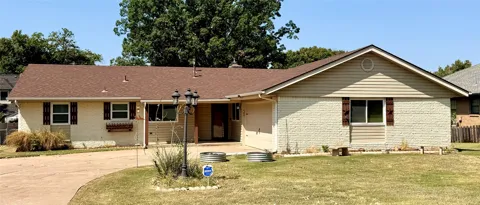
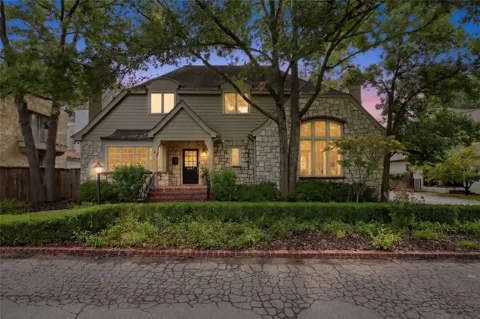
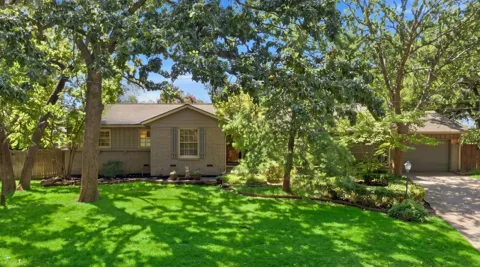
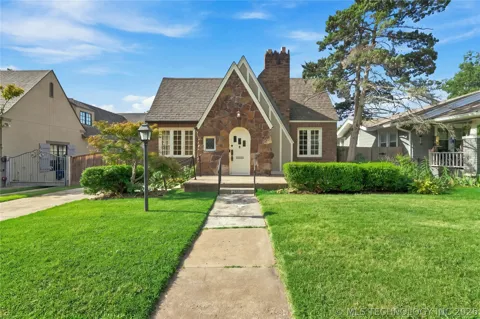
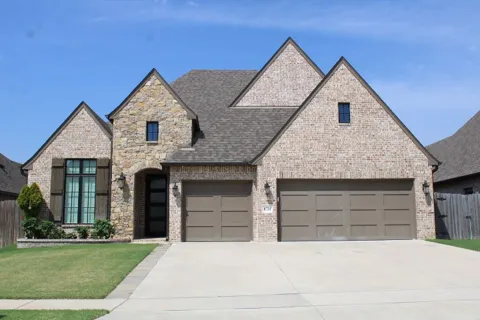
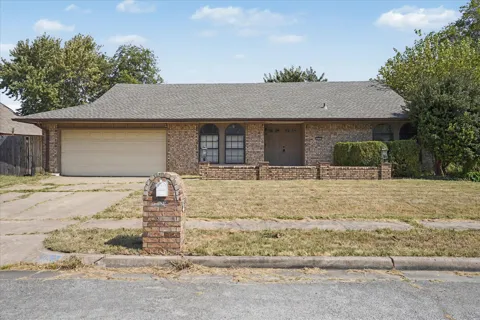
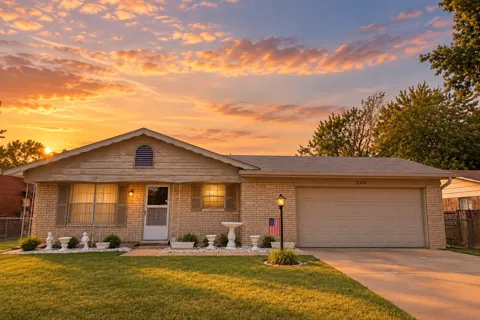
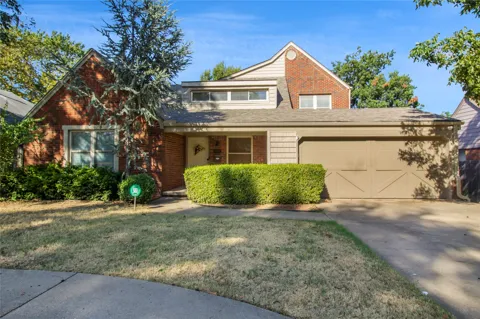
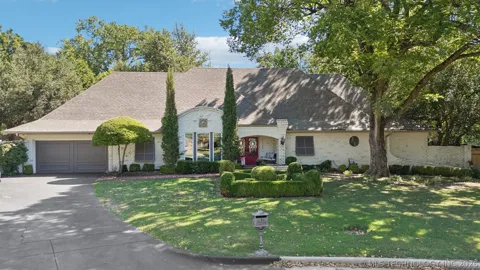
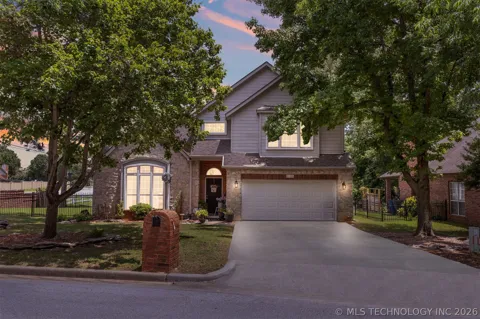
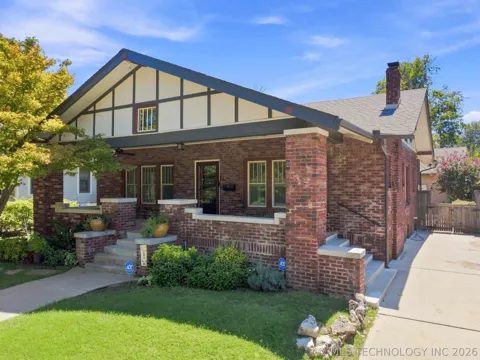
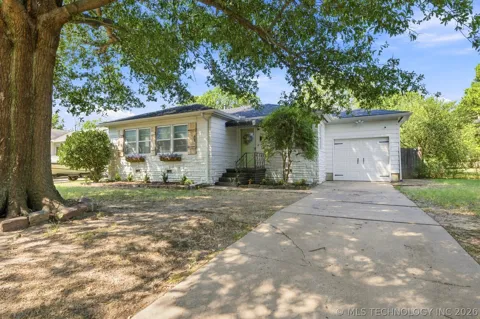
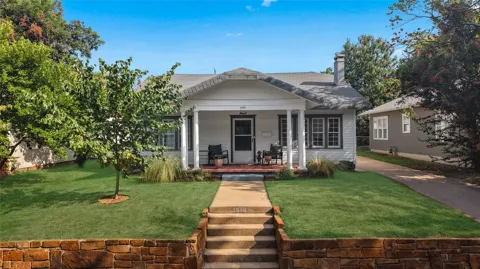
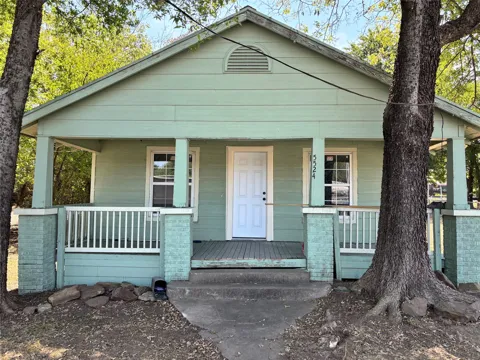
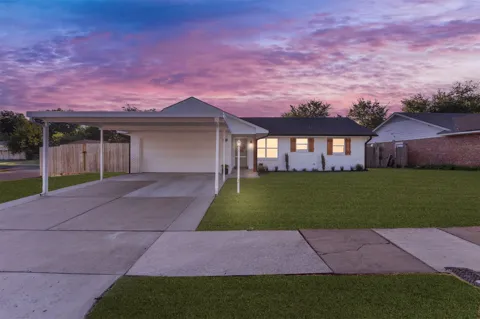
Tulsa's housing stock reflects its oil-boom origins and its mid-century and later expansion. Midtown holds the city's most storied older neighborhoods, including Maple Ridge, with early-20th-century homes on landscaped lots near Woodward Park, while the Brookside and Cherry Street corridors mix older bungalows with more recent infill. Farther south and east, the city gives way to mid-century ranches and newer suburban subdivisions, much of it concentrated around the Highway 169 and Creek Turnpike corridors. The variety means buyers can find everything from stately historic houses in established tree-lined districts to newer construction in planned communities, often at lot sizes larger than typical for a metro of Tulsa's size. The city's many distinct neighborhoods, rather than a single housing type, define its residential character.
Neighborhoods
Tulsa's neighborhoods are organized around the Arkansas River and a few well-known corridors. Midtown is the historic heart of residential Tulsa, where Maple Ridge offers early-20th-century homes near Woodward Park and the Tulsa Garden Center, positioned between the Brookside and Cherry Street commercial districts. Brookside, along Peoria Avenue, is a walkable strip of shops and restaurants, while Cherry Street, to the east, anchors another established dining and retail area. Downtown has added residential conversions among its Art Deco towers. On the south side, the area around the Highway 169 corridor and communities such as Jenks and Broken Arrow offer newer suburban neighborhoods and planned developments, while north Tulsa holds older districts and the historic Greenwood area. The result is a city of clearly defined districts, each with its own housing era and character.
Lifestyle in Tulsa
Tulsa offers a mid-sized city's cultural depth with a famously short commute. The Philbrook Museum of Art, set in an Italianate villa with 25 acres of gardens, and the Gilcrease Museum, with its American West collection, anchor the arts scene, while the BOK Center draws national concerts and events downtown. The Greenwood District and the Greenwood Rising history center preserve and interpret the legacy of Black Wall Street, and the city's Route 66 heritage threads through its dining and retail corridors. Brookside, Cherry Street, and the downtown districts concentrate restaurants, breweries, and nightlife. Along the Arkansas River, Gathering Place and the River Parks trails provide free outdoor recreation in the center of the city. The overall feel is an established, culturally self-aware city with a pace slower than the largest metros.
Schools & Education
Tulsa's public education landscape is made up of several districts serving different parts of the metro. Tulsa Public Schools is the largest, covering much of the city proper, while Union Public Schools, headquartered in southeast Tulsa, serves roughly 15,000 students and is among the state's larger systems. Jenks Public Schools, immediately south of the city, enrolls more than 12,000 students, and neighboring suburban districts serve Broken Arrow and other surrounding communities. The city is also home to higher-education institutions including the University of Tulsa and Oral Roberts University, a private Christian university, which add a college-town element to parts of the city. Because district boundaries cross municipal lines and vary by neighborhood, families relocating to the area typically confirm both district and campus assignments for a specific address.
Getting Around
Tulsa is built around a grid of expressways and thoroughfares laid out in mile-by-mile increments, making most of the city reachable within a short drive. Interstate 44 and I-244 form the principal freeway spine, while State Highway 169 and the Creek Turnpike (SH 412) serve the south and east sides and State Highways 51, 64, and 75 cross the region. Tulsa Transit operates the city's bus network, including bus rapid transit service, and Tulsa International Airport provides commercial air service on the city's northeast side. Downtown connects to surrounding suburbs such as Broken Arrow along direct expressway corridors, and the wider region is served by the turnpike system.
Parks & Recreation
Tulsa's recreation is anchored by the Arkansas River corridor. Gathering Place, a free 66.5-acre park created by the George Kaiser Family Foundation, opened along the river in 2018 and combines playgrounds, gardens, boathouse activities, and year-round programming. The adjacent River Parks system offers miles of paved trails, a disc golf course, and an amphitheater along the waterway, and Woodward Park's gardens and the Tulsa Garden Center add green space in Midtown. The city's park network extends well beyond the river, and nearby lakes serve boating and fishing. For culture, the Philbrook's gardens and the Greenwood Rising history center round out a mix of outdoor and indoor recreation that draws from across the metro.
About Tulsa
Frequently asked questions
What county is Tulsa, Oklahoma in?
Tulsa is located in Tulsa County and serves as the county seat. The city sits along the Arkansas River in northeastern Oklahoma and is the second-largest city in the state, anchoring a metropolitan area of roughly 1.06 million residents. The surrounding metro includes communities such as Broken Arrow, Jenks, Owasso, and Bixby.
What is Tulsa, Oklahoma known for?
Tulsa is known for its oil-boom heritage as the former Oil Capital of the World and for one of the nation's most significant collections of Art Deco architecture, concentrated in its downtown Oil Capital Historic District. The city is also recognized for the Greenwood District's Black Wall Street history, the Philbrook and Gilcrease museums, Route 66, and Gathering Place, a free riverfront park.
What school districts serve Tulsa, Oklahoma?
Tulsa's public schools fall under several districts. Tulsa Public Schools is the largest, covering much of the city proper, while Union Public Schools serves the southeast part of Tulsa and Jenks Public Schools serves areas immediately south of the city. Nearby suburban districts include Broken Arrow and others. The University of Tulsa and Oral Roberts University provide higher-education options within the city.
Is Tulsa a good city for commuters?
Tulsa is known for comparatively short drive times, with many parts of the city reachable within about 15 to 20 minutes. Interstate 44 and I-244 form the freeway spine, with State Highway 169 and the Creek Turnpike serving the south and east sides. Tulsa Transit runs bus and bus rapid transit service, and Tulsa International Airport sits on the city's northeast side.
What is the Gathering Place in Tulsa?
Gathering Place is a free 66.5-acre riverfront park along the Arkansas River in Tulsa. Created by the George Kaiser Family Foundation and opened in 2018, it features playgrounds, gardens, a boathouse, and year-round programming. The park is part of a larger River Parks system that includes miles of trails, a disc golf course, and an amphitheater along the waterway.
What is the Greenwood District in Tulsa?
The Greenwood District is the historic African American business district of Tulsa, once known as Black Wall Street for its prosperous early-20th-century commercial life. The district and the 1921 Tulsa Race Massacre are commemorated at the Greenwood Rising history center, located in the heart of the neighborhood, which preserves and interprets the community's legacy.
Still have questions about Tulsa?
Get in touchExplore the area
