
Route 66 & River Port City
Listings in Catoosa, OK
Welcome to Catoosa, a Route 66 city northeast of Tulsa that is home to the famous Blue Whale and the Tulsa Port of Catoosa.
Catoosa is a city in northeastern Oklahoma that straddles Rogers and Wagoner counties, sitting on historic U.S. Route 66 about 14 miles northeast of downtown Tulsa. The area's history reaches back to its time as part of Cherokee Nation territory, before the community grew into a small Route 66 town and, later, a Tulsa suburb. Catoosa is best known nationally for two things. The first is the Blue Whale of Catoosa, a whimsical waterfront structure built by zoologist Hugh S. Davis as a swimming and play spot for his grandchildren. Over the decades it has become one of the most recognizable roadside attractions on the entire length of Route 66 and a beloved Oklahoma landmark. The second is the Tulsa Port of Catoosa, an inland river port that opened in 1971 at the head of navigation for the McClellan-Kerr Arkansas River Navigation System, linking the region by barge to the Mississippi River and the Gulf of Mexico. Today Catoosa is a suburban community of about 7,400 residents, served by Catoosa Public Schools. Its housing is predominantly single-family, and its economy benefits from the port's industrial and logistics activity as well as proximity to Tulsa's job market. The city's growth has been steady, reflecting both its Route 66 visibility and its practical location within the Tulsa metropolitan area. For residents and buyers, Catoosa offers a distinctive mix: Route 66 heritage, a significant inland port, and practical suburban living within a short drive of Tulsa. Its blend of small-town identity, highway access, and metropolitan reach makes it a steady and distinctive choice in the Tulsa region.
Get more information about Catoosa
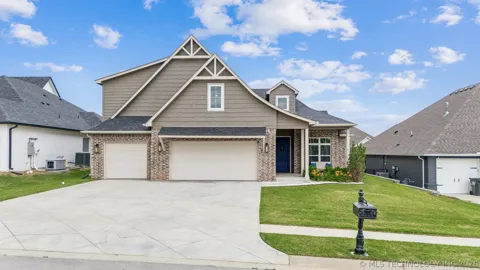
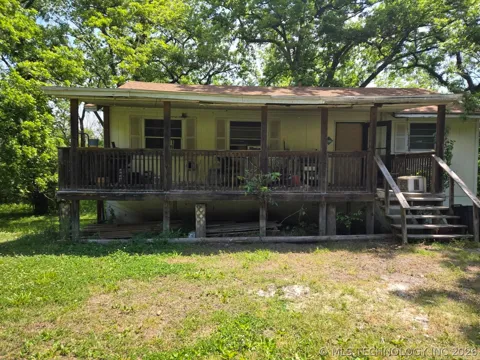
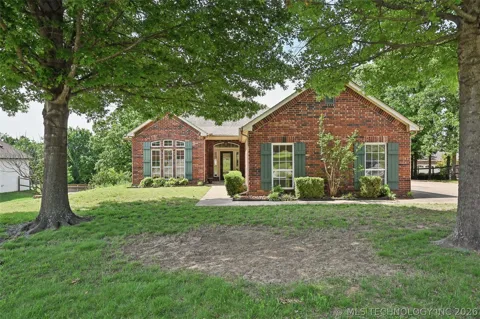
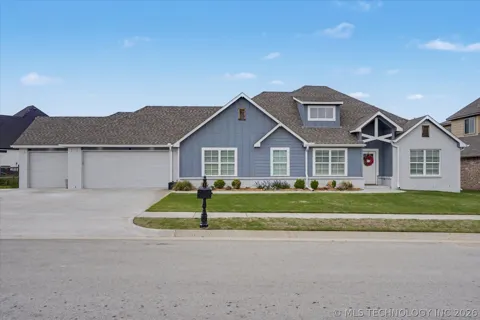
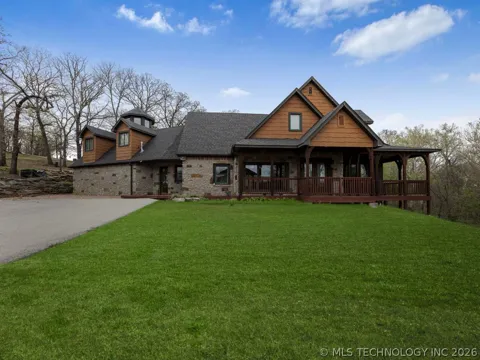
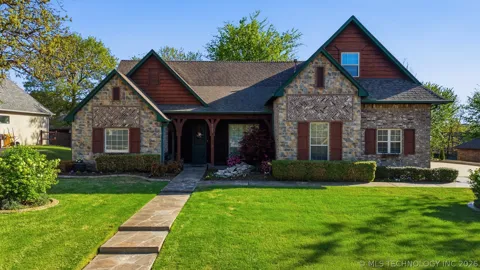
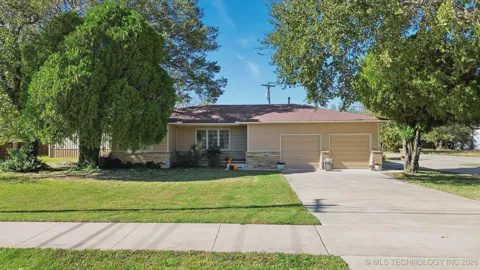
Houses in Catoosa, OK
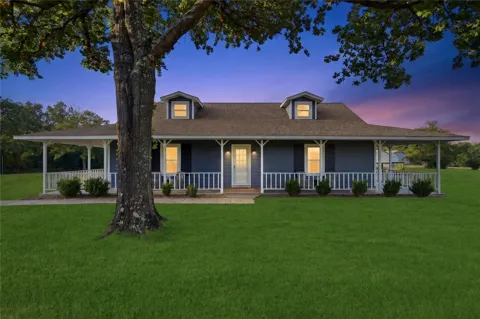
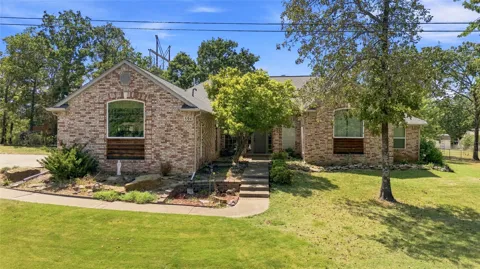
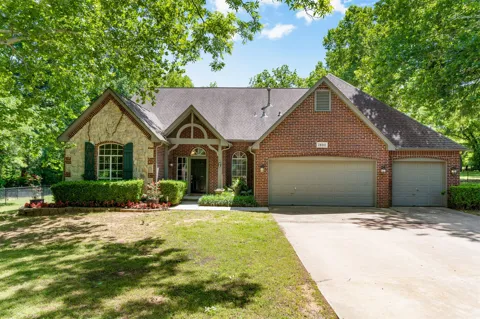
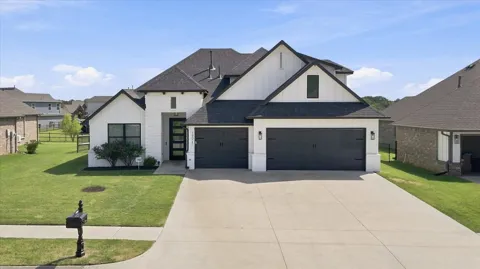
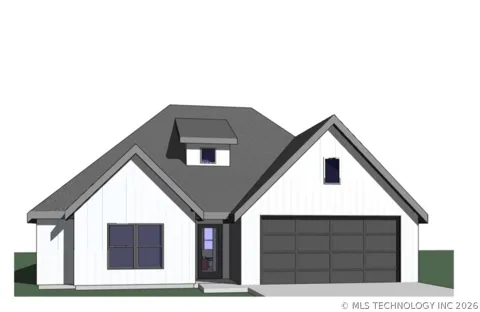
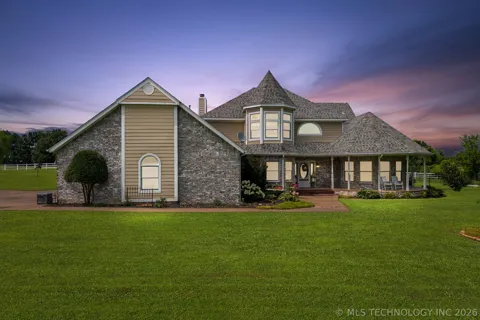
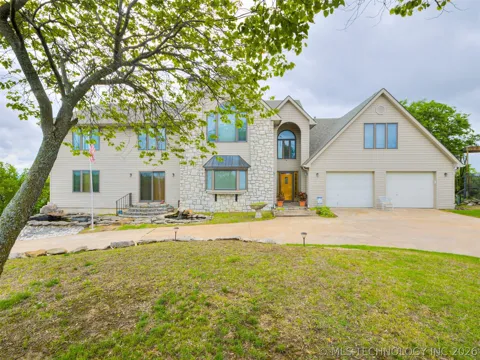
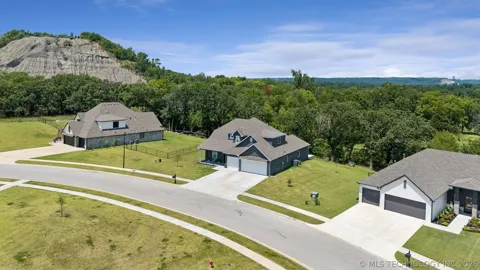
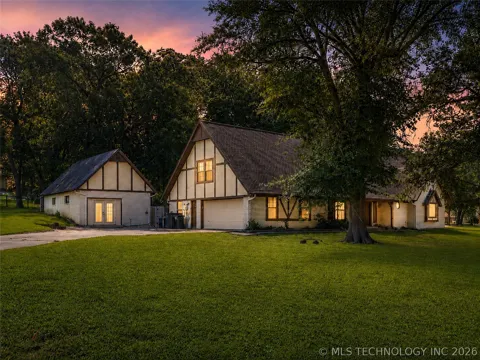
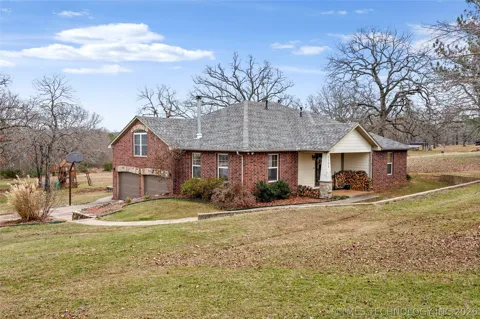
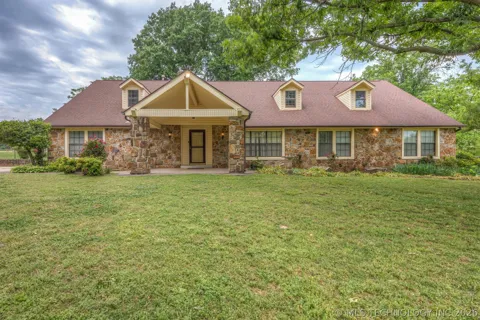
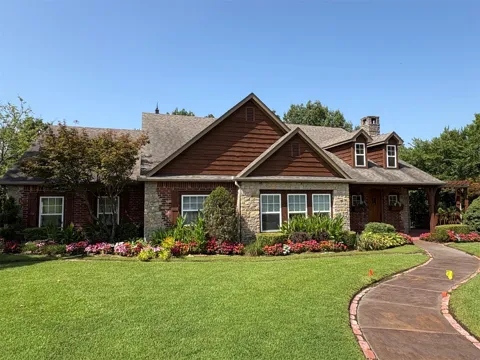
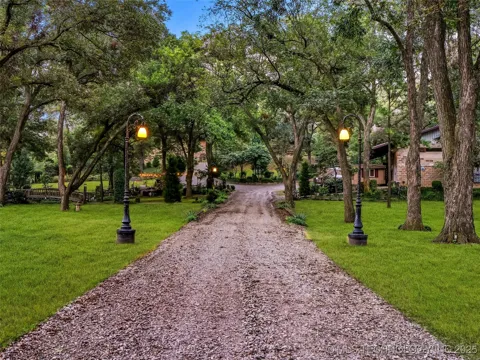
Lots & Land in Catoosa, OK
MARKET SNAPSHOT
The Market at a Glance
How homes have been selling here over the last 90 days.
Price & Sales History
Market data reflects closed sales over the last 90 days and is provided for informational purposes.
Zip Codes
BROWSE BY ZIP
Browse listings by postal code in this area.
City Guide
About Catoosa
Real Estate & Housing
Catoosa's housing is predominantly single-family and suburban, reflecting its role as a Tulsa-area bedroom community. The market includes established neighborhoods near the town's historic core along Cherokee Street, newer construction on the city's edges, and scattered larger lots and acreage toward the surrounding countryside of Rogers and Wagoner counties. Homes generally offer more space and value than comparable properties closer to central Tulsa, drawing families, first-time buyers, and commuters. The city's Route 66 setting and river-port employment base support a steady, practical housing market oriented toward owner-occupied single-family residences.
Neighborhoods
Catoosa's residential areas include the town's established core along Cherokee Street, where older homes and local institutions anchor the community, and newer subdivisions that have developed around the city's growth as a Tulsa suburb. Residential neighborhoods spread outward toward the Verdigris River and the surrounding rural land of Rogers and Wagoner counties, with some properties offering larger lots and acreage. The city does not revolve around a single large development; instead, its character comes from a mix of long-established in-town streets and modern suburban additions, unified by the Route 66 corridor that runs through the community.
Lifestyle in Catoosa
Life in Catoosa blends Route 66 heritage with the conveniences of the Tulsa metro. The city's famous Blue Whale keeps Catoosa on the map for travelers and locals alike, and its location just 14 miles northeast of Tulsa means residents have quick access to the region's employment, shopping, dining, and culture. The community itself is suburban and family-oriented, anchored by Catoosa Public Schools and local events. The Tulsa Port of Catoosa provides a major industrial and employment presence nearby, while the Verdigris River and surrounding countryside add outdoor options. Catoosa suits households seeking a connected suburban town with genuine roadside character.
Schools & Education
Catoosa is served by Catoosa Public Schools, a local district headquartered in the city. The district operates about three campuses and serves roughly 1,800 students, including Catoosa High School, providing a complete pre-kindergarten through twelfth-grade pathway within the community. The district emphasizes character development, parental involvement, and student advocacy, reinforcing the town's close-knit, family-oriented identity. School events and athletics are central to community life in Catoosa. For higher education and additional resources, the colleges and universities of the Tulsa metropolitan area lie within a short drive.
Getting Around
Catoosa is exceptionally well connected for a town of its size. Historic Route 66 runs through the community, and Interstate 44, which carries Route 66's modern alignment through the area, provides a direct link to downtown Tulsa about 14 miles to the southwest. The Tulsa Port of Catoosa extends the area's transportation reach onto the water, with the McClellan-Kerr Arkansas River Navigation System connecting it by barge to the Mississippi River. Regional highways link Catoosa to Claremore, Broken Arrow, and the broader Tulsa metro. This combination of interstate, historic highway, and inland waterway access is central to Catoosa's identity.
Parks & Recreation
Recreation in Catoosa is anchored by its Route 66 heritage. The Blue Whale of Catoosa draws visitors from across the country and remains a favorite local photo stop and picnic spot along the historic highway. The Verdigris River and the McClellan-Kerr Arkansas River Navigation System provide water access for boating and fishing, while the city's parks offer green space for families. Just 14 miles away, Tulsa supplies a full range of urban recreation, from museums and sports to an extensive park and trail system. This combination of roadside charm, riverside access, and nearby city amenities defines leisure life in Catoosa.
About Catoosa
Frequently asked questions
What counties is Catoosa, OK in?
Catoosa straddles two counties in northeastern Oklahoma: Rogers County and Wagoner County. The city sits directly on historic Route 66, about 14 miles northeast of downtown Tulsa, within the Tulsa metropolitan area.
What is the Blue Whale of Catoosa?
The Blue Whale of Catoosa is a waterfront structure built by Hugh S. Davis as a place for his grandchildren to play and swim. It has become one of the most recognizable roadside attractions on old Route 66 and a beloved Oklahoma landmark.
What is the Tulsa Port of Catoosa?
The Tulsa Port of Catoosa is an inland river port that opened in 1971 at the head of navigation for the McClellan-Kerr Arkansas River Navigation System. It connects northeastern Oklahoma by barge to the Mississippi River and serves as a major economic engine for the region.
What school district serves Catoosa, OK?
Catoosa is served by Catoosa Public Schools, a district of about three campuses and roughly 1,800 students. It includes Catoosa High School and serves the community through elementary, middle, and high school.
How far is Catoosa, OK from Tulsa?
Catoosa lies about fourteen miles northeast of downtown Tulsa on historic Route 66, and Interstate 44 also serves the community as a modern highway corridor. The city's population was 7,440 at the time of the 2020 census.
Still have questions about Catoosa?
Get in touchExplore the area
