
Largest City in Pawnee County
Listings in Cleveland, OK
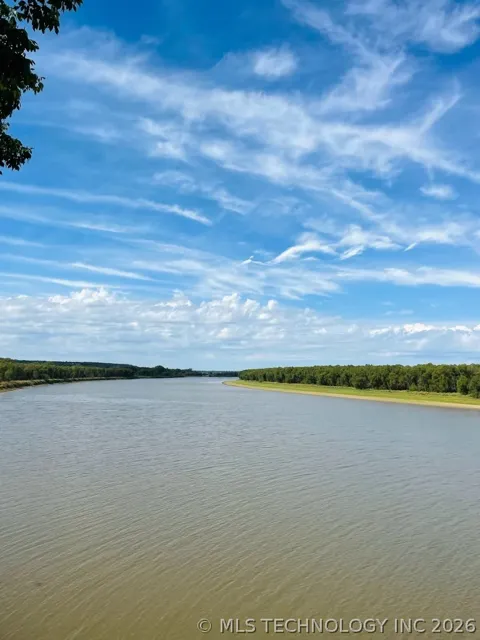
Welcome to Cleveland, the largest city in Pawnee County, set on the Arkansas River at the junction of U.S. 64 and State Highway 99.
Cleveland is a city in eastern Pawnee County, Oklahoma, set on the south side of the Arkansas River at the junction of U.S. Highway 64 and State Highway 99. It is the largest city in Pawnee County, with a population of 3,205 at the 2020 census, and serves as a small commercial and service hub for the surrounding countryside. The county seat of Pawnee lies about 25 miles to the west, while Tulsa, the region's principal city, is roughly 34 miles to the east, making Cleveland a practical base for commuters who want a small-town address near a major metro. The town's origins trace to the Cherokee Outlet land opening of September 16, 1893, when the area was settled by homesteaders. The community that grew on the townsite was first known as Herbert, after early homesteader Willis H. Herbert, before taking the name Cleveland. That frontier heritage still shapes the town's layout and character, with a compact downtown surrounded by established residential streets and open farmland. Cleveland's economy and daily life are tied to the land and water around it. The Arkansas River runs along the north edge of town, and Keystone Lake, a major Corps of Engineers reservoir, lies a short drive away, providing fishing, boating, and camping. Local recreation facilities include Cleveland City Lake, Feyodi Creek Park, and the Keystone Golf Course. Public education is provided by Cleveland Public Schools, whose Tigers teams serve portions of Creek, Osage, and Pawnee counties. For residents, Cleveland combines the affordability and pace of rural Oklahoma with easy highway access to the jobs, airports, and amenities of Tulsa.
Get more information about Cleveland
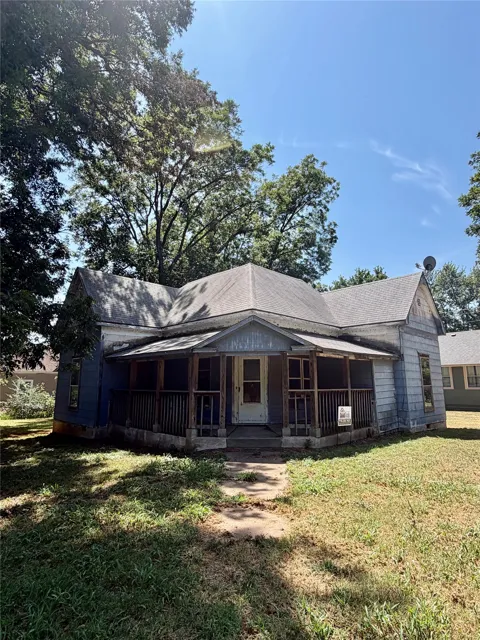
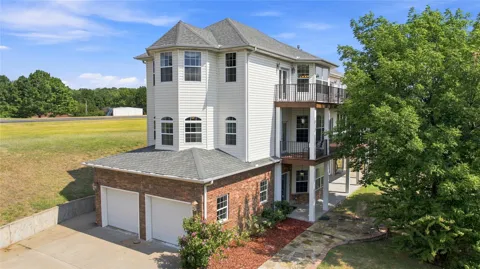
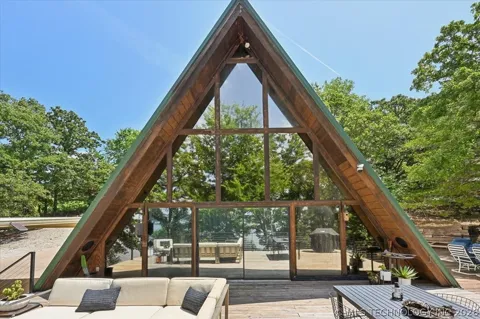
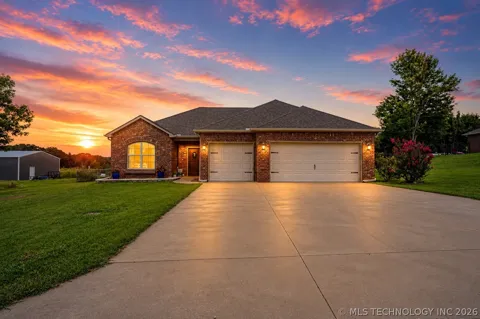
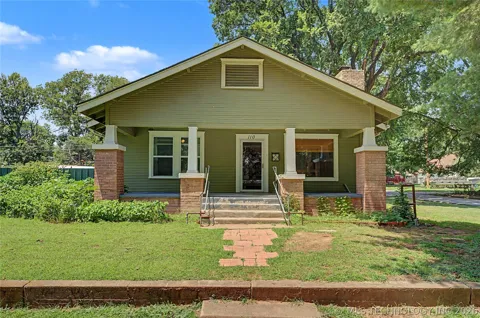
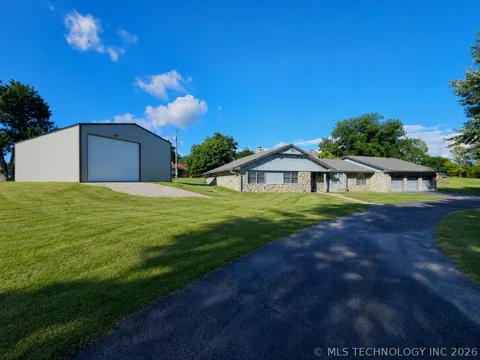
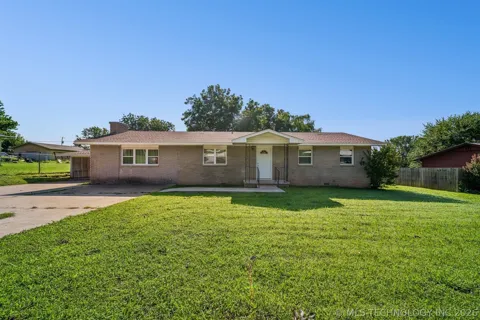
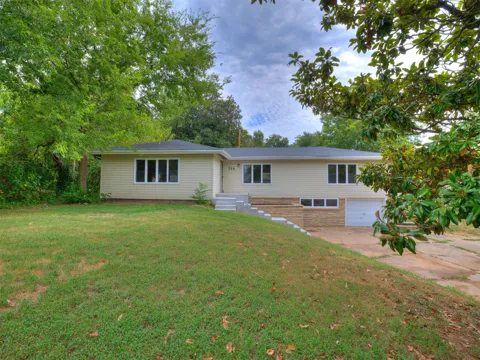
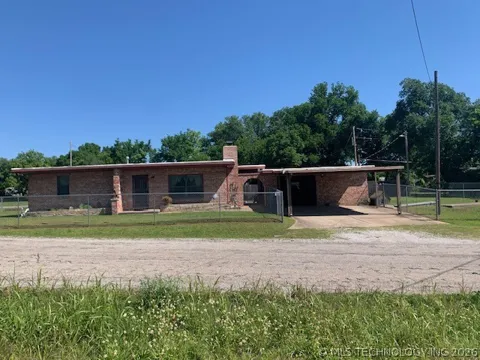
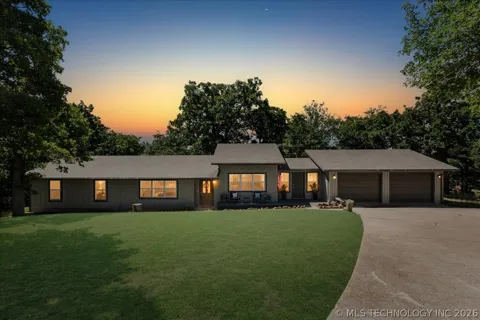
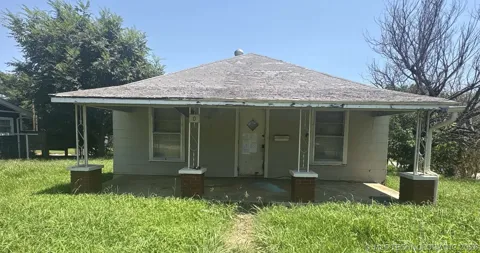
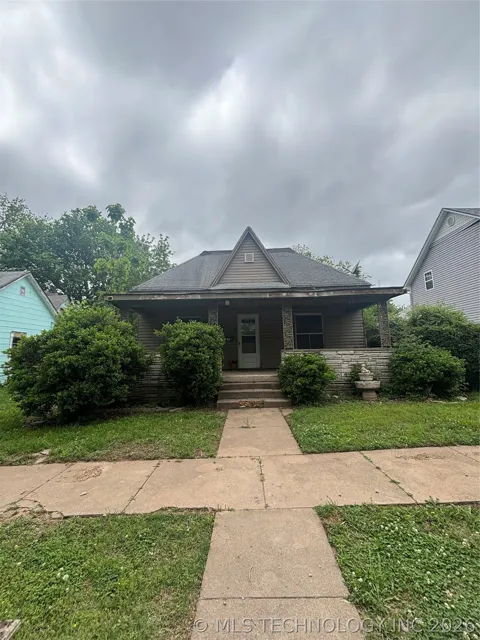
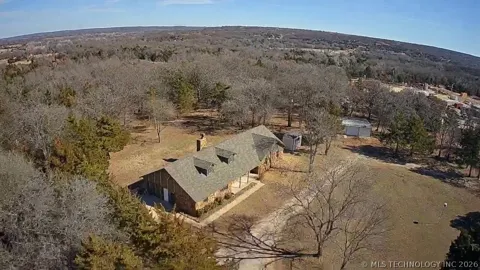
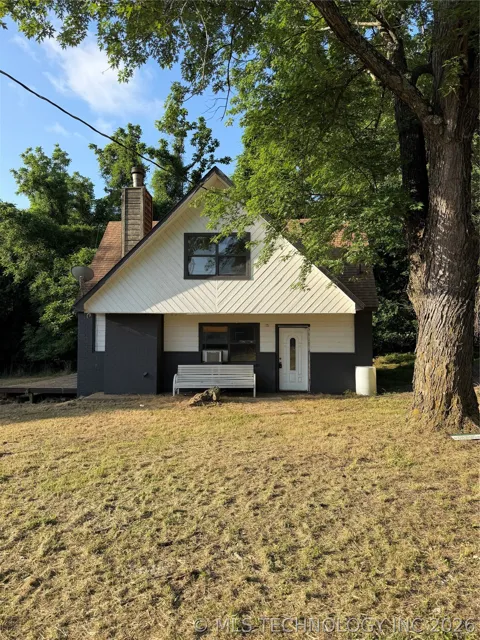
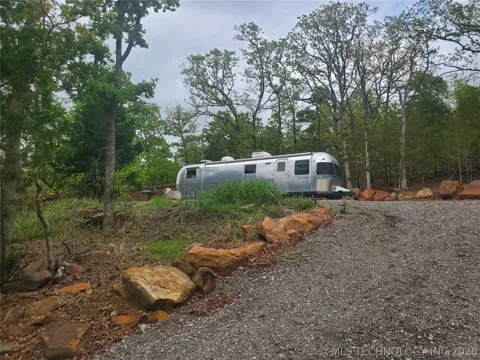
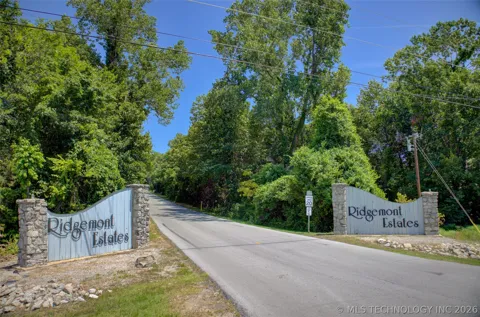
Houses in Cleveland, OK
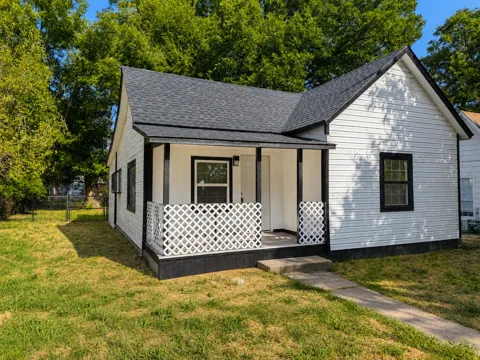
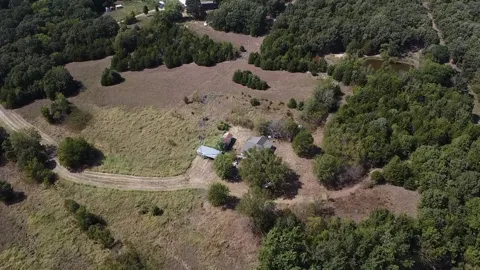
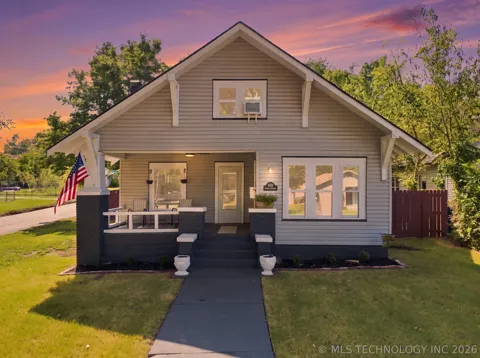
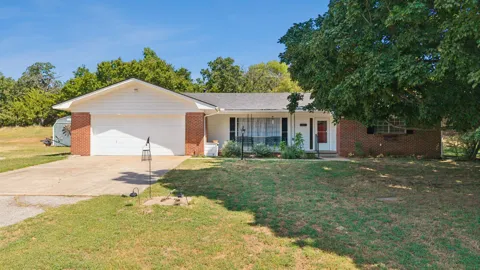
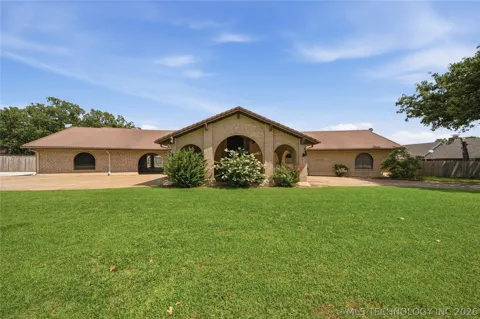
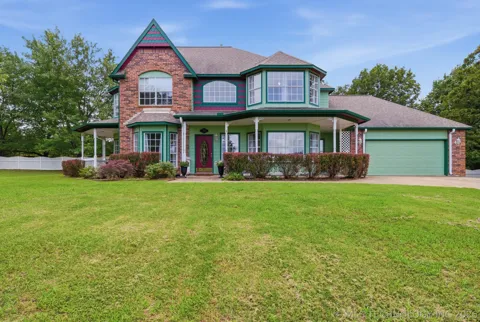
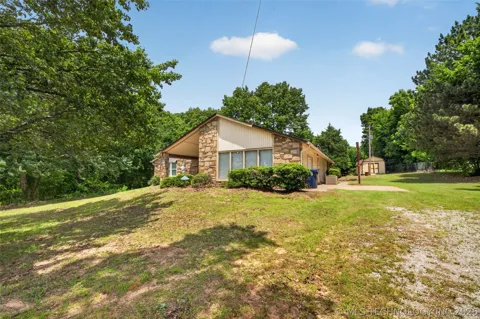
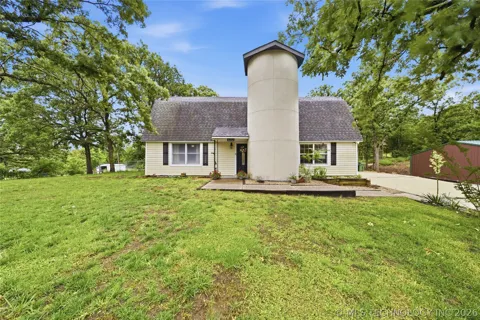
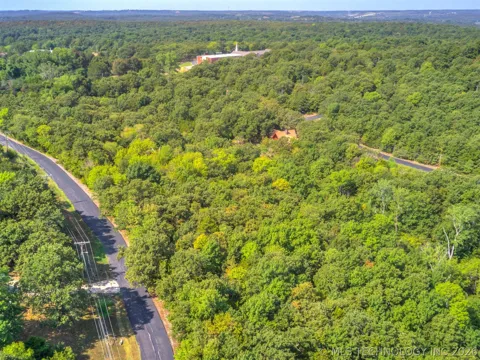
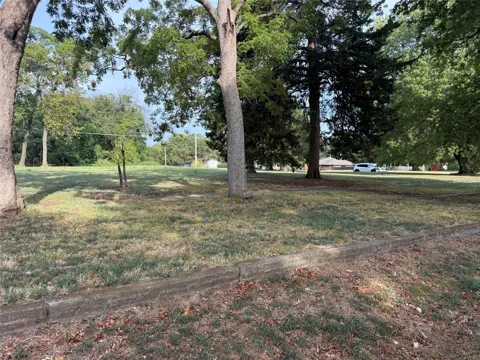
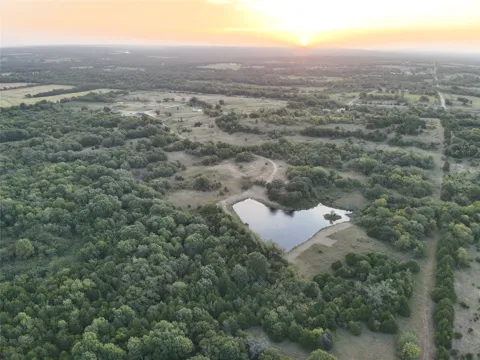
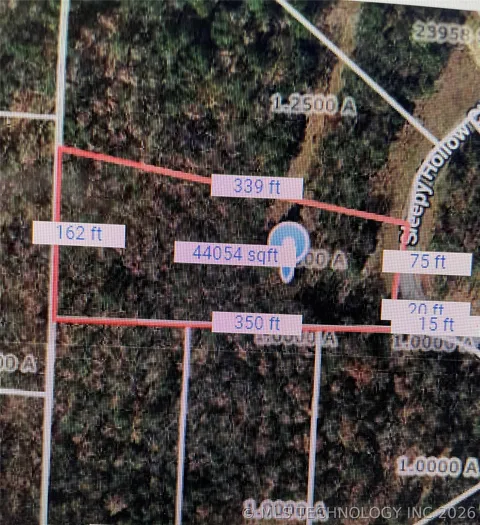
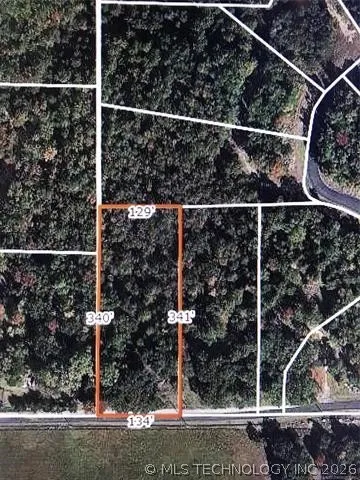
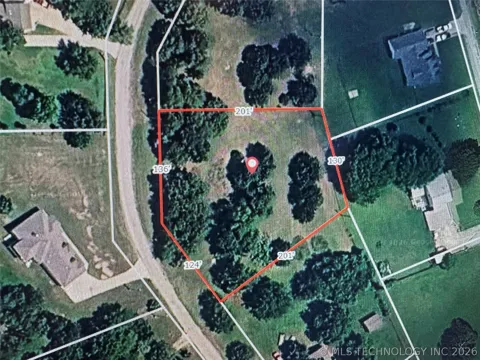
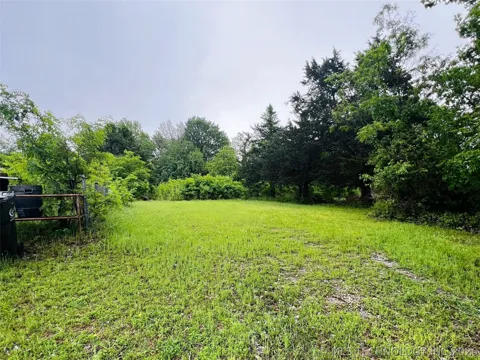
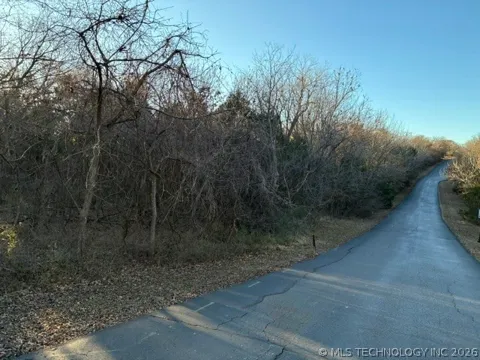
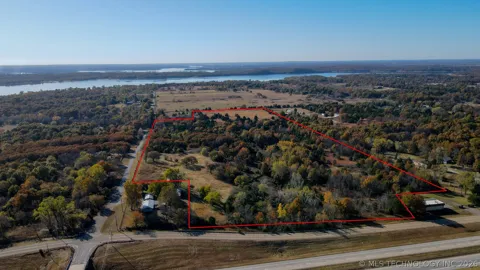
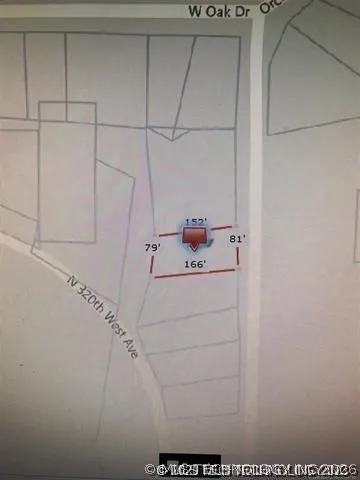
Lots & Land in Cleveland, OK
MARKET SNAPSHOT
The Market at a Glance
How homes have been selling here over the last 90 days.
Price & Sales History
Market data reflects closed sales over the last 90 days and is provided for informational purposes.
Zip Codes
BROWSE BY ZIP
Browse listings by postal code in this area.
City Guide
About Cleveland
Real Estate & Housing
Housing in Cleveland is dominated by modest, owner-occupied single-family homes, many of them older frame and ranch-style residences on conventional in-town lots. The city's small-town scale means buyers can also find larger parcels and rural acreage on the outskirts, toward Keystone Lake and the Arkansas River bottomland. New construction is limited, so the housing stock tends toward established, affordable homes rather than large subdivisions. For buyers, Cleveland offers a low-density, small-town housing pattern with a short commute to Tulsa and ready access to lake and river recreation.
Neighborhoods
Cleveland is organized around its compact downtown and the U.S. 64 corridor, with established residential streets extending outward from the commercial center. Homes near the schools and along the town's main thoroughfares form the older, most settled blocks, while the outer edges of the city blend into open countryside and scattered acreage. The Arkansas River borders the town to the north, and Keystone Lake lies nearby, shaping recreational access. Rather than distinct master-planned subdivisions, Cleveland's character comes from its mix of older in-town neighborhoods and quieter rural surroundings.
Lifestyle in Cleveland
Cleveland offers a quiet, family-oriented small-town lifestyle in northeastern Oklahoma. As the largest city in Pawnee County, it functions as a local hub for shopping, services, and school activities while retaining an unhurried pace. Residents enjoy easy access to Keystone Lake and the Arkansas River for fishing and boating, and community life centers on the schools, churches, and local events. For larger employment, entertainment, and medical facilities, Tulsa is a straightforward drive away, allowing Cleveland residents to blend rural Oklahoma living with the conveniences of a major metro area within about half an hour.
Schools & Education
Cleveland is served by Cleveland Public Schools, whose teams are known as the Tigers. The district enrolls roughly 1,500 students in pre-kindergarten through twelfth grade and serves portions of Creek, Osage, and Pawnee counties, reflecting the city's role as a regional educational center. The campuses function as a community anchor, hosting athletics and events that bring the town together. For higher education and specialized programs, residents can reach Tulsa Community College, the University of Tulsa, and other institutions within about half an hour, while Pawnee and Hominy offer additional nearby school options.
Getting Around
Cleveland's location at the junction of U.S. Highway 64 and State Highway 99 places it on a convenient north-south and east-west road network. U.S. 64 links the city east toward Tulsa, about 34 miles away, and west across the state, while State Highway 99 runs north across the Arkansas River and south toward the Oklahoma City region. The drive to Tulsa takes roughly 35 to 40 minutes, giving residents practical access to Tulsa International Airport, major employers, and regional medical centers. Commuting is by personal vehicle, with uncongested rural highways making travel straightforward by Oklahoma standards.
Parks & Recreation
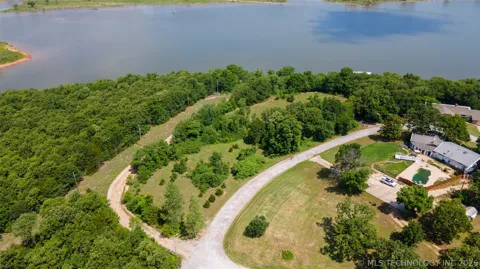
Outdoor recreation is a defining feature of life in Cleveland. The city maintains Cleveland City Lake and Feyodi Creek Park for fishing, picnicking, and family outings, and the Keystone Golf Course serves local golfers. Nearby Keystone Lake, on the Arkansas River system, is one of northeastern Oklahoma's major reservoirs, offering boating, fishing, camping, and shoreline parks, including Osage Point Park. The Arkansas River itself runs along the town's northern edge. These water resources, together with the surrounding countryside, make Cleveland a natural base for anglers, boaters, and anyone drawn to lake-and-river recreation within a short drive of Tulsa.
About Cleveland
Frequently asked questions
What county is Cleveland, Oklahoma in?
Cleveland is in Pawnee County, in northeastern Oklahoma. The city sits on the south side of the Arkansas River, about 25 miles east of the county seat of Pawnee and roughly 34 miles from Tulsa.
What school district serves Cleveland, Oklahoma?
Cleveland is served by Cleveland Public Schools, whose teams are known as the Tigers. The district enrolls roughly 1,500 students in pre-kindergarten through twelfth grade and serves portions of Creek, Osage, and Pawnee counties.
How far is Cleveland from Tulsa?
Cleveland is about 34 miles, or 55 kilometers, west of Tulsa, a drive of roughly 35 to 40 minutes by car. The city sits at the junction of U.S. Highway 64 and State Highway 99.
What is the history of Cleveland, Oklahoma?
Cleveland grew after the Cherokee Outlet land opening of September 16, 1893, when homesteaders settled the area. The townsite was first known as Herbert, after early homesteader Willis H. Herbert, before it was renamed Cleveland.
Still have questions about Cleveland?
Get in touchExplore the area
