
South-Central Oklahoma Hub
Listings in Ardmore, OK
Welcome to Ardmore, the Carter County seat in south-central Oklahoma, set on the I-35 corridor between Oklahoma City and Dallas near Lake Murray and the Arbuckle Mountains.
Ardmore is a city in Carter County, Oklahoma, serving as the county seat and the commercial hub of south-central Oklahoma, a region known to tourism as Chickasaw Country. It sits at the junction of Interstate 35 and U.S. Highway 70, roughly ninety miles from both Oklahoma City and Dallas, and about nine miles south of the Arbuckle Mountains. The city's population was about 24,700 in the 2020 census, anchoring the Ardmore micropolitan area. Ardmore's history is rooted in the railroad and oil. Established in 1887 as a cattle-loading station, the city grew into a regional trade center and then boomed after the 1913 discovery of the Healdton oil field, becoming a refining hub and the center of a county that has long ranked among Oklahoma's leading oil producers. That energy legacy contributed to the growth of companies associated with the region, and oil, gas, and energy remain part of the local economy alongside a diversified base of manufacturing, healthcare, retail, and distribution. Mercy Hospital Ardmore serves as a regional medical anchor for a multi-county area. Culturally, Ardmore sits within the historic Chickasaw Nation, and that heritage is woven into the area's identity and events. The city hosts an annual Chocolate Festival in February, a bicycle rally in June, and fall events such as the Taste of Ardmore and Fiesta Oklahoma. Lake Murray State Park, Oklahoma's largest state park at more than 12,500 acres with a 5,700-acre lake, lies just to the south and gives Ardmore a major recreational asset. Ardmore's position on I-35, its small-city affordability, and its access to the Arbuckle Mountains and Lake Murray make it a practical and scenic base for south-central Oklahoma, drawing residents who want a regional hub with outdoor recreation close at hand and both Oklahoma City and the Dallas–Fort Worth metroplex within a straightforward drive.
Get more information about Ardmore
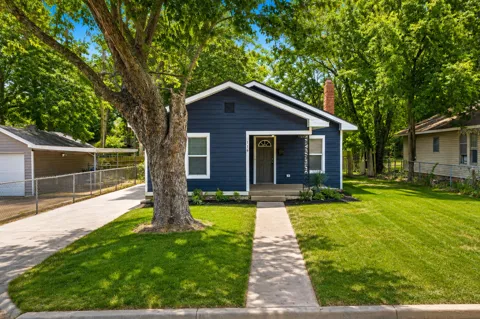
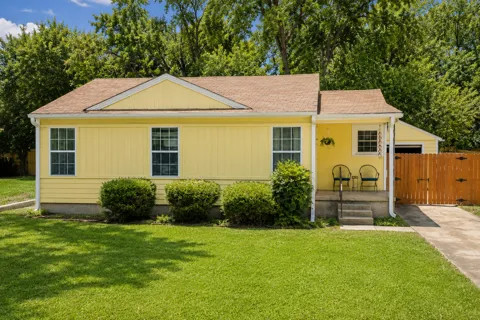
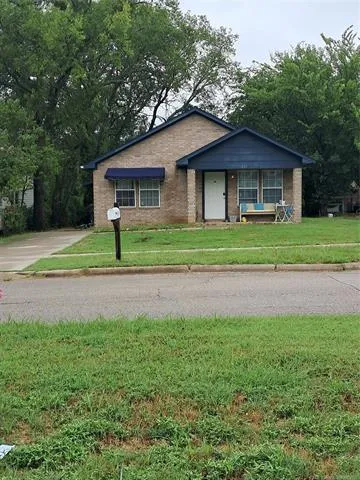
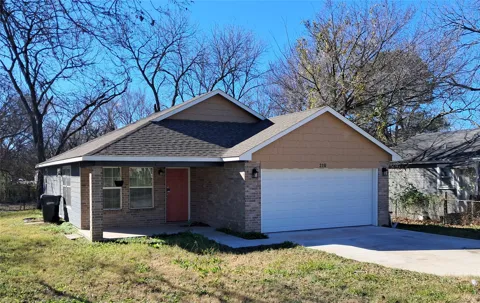
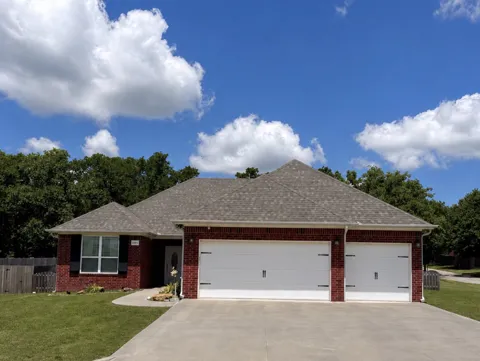
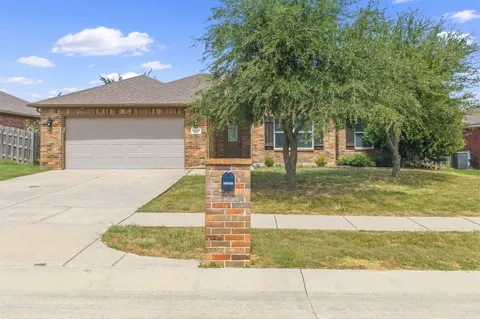
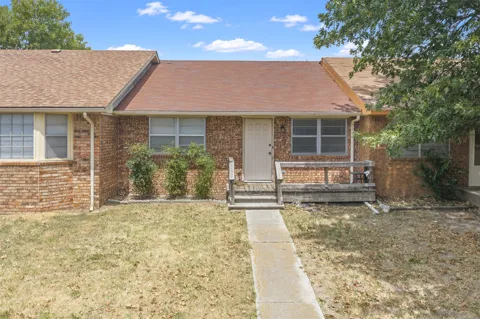
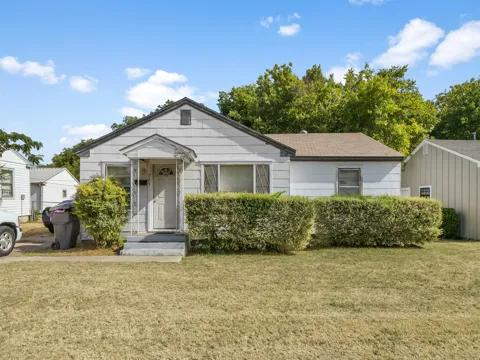
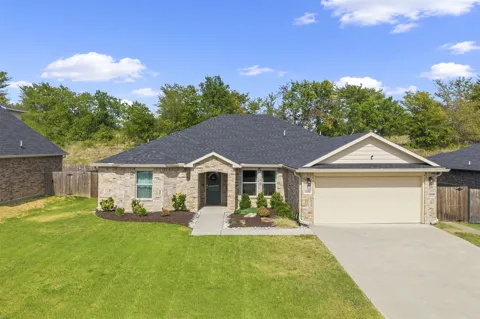
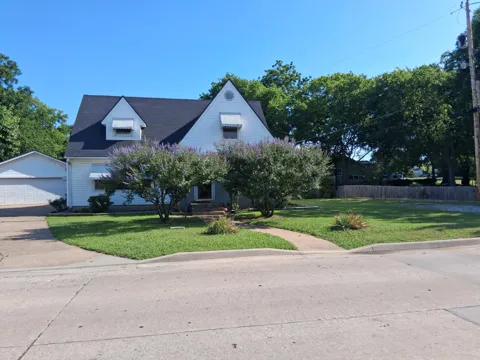
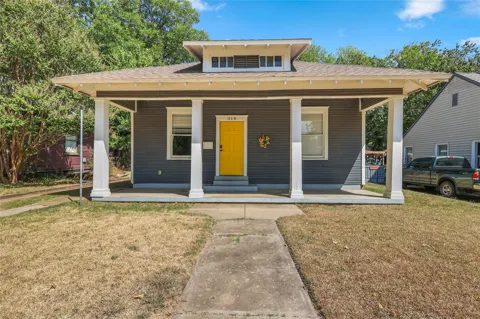
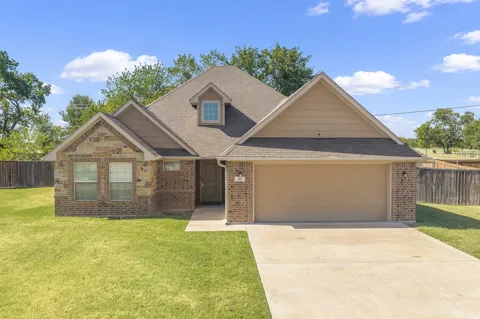
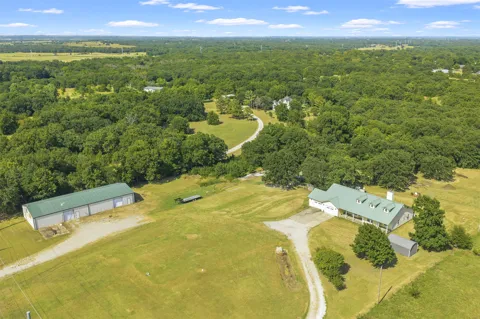
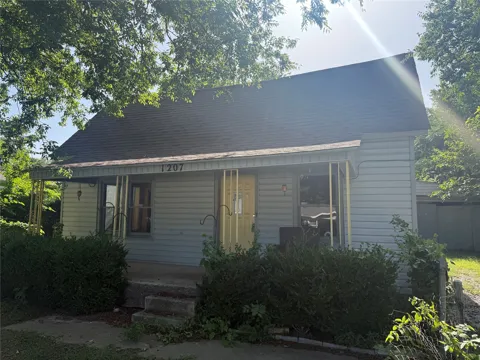
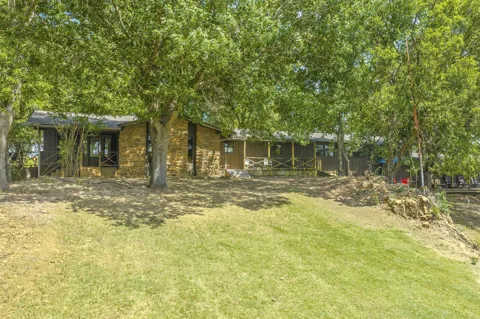
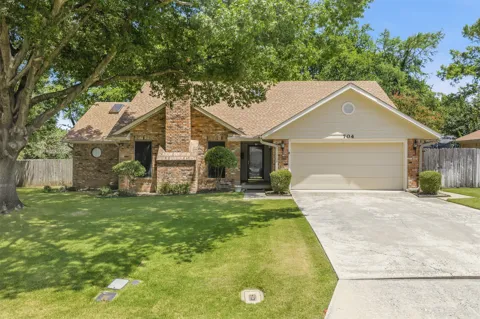
 4 photos
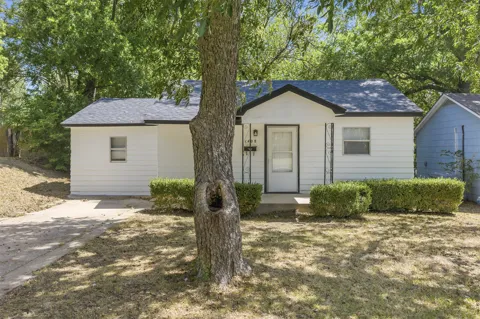
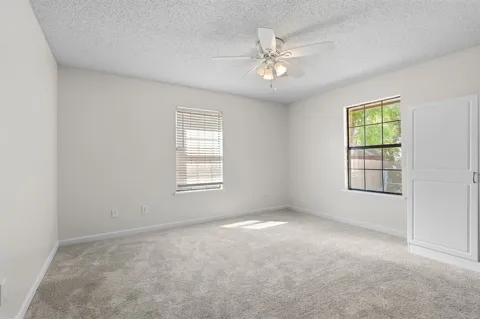
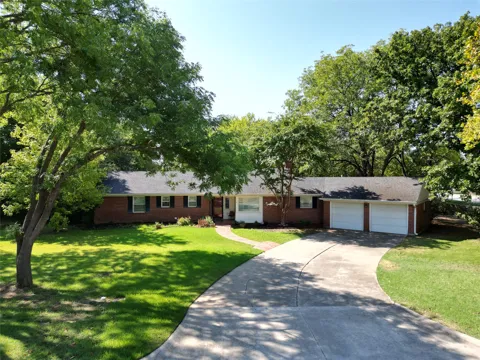
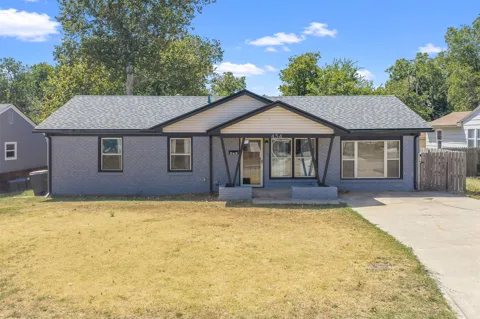
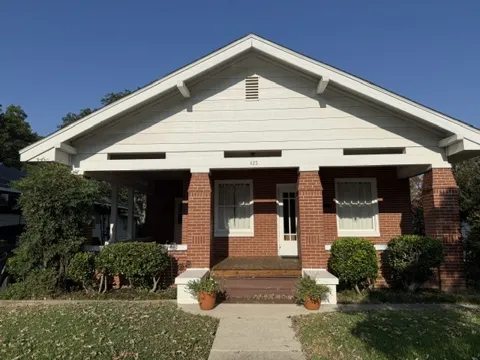
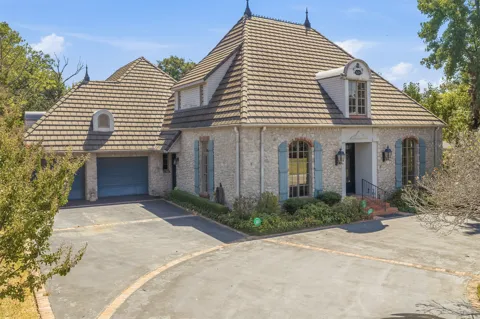
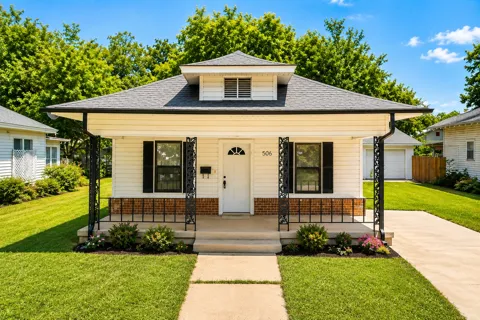
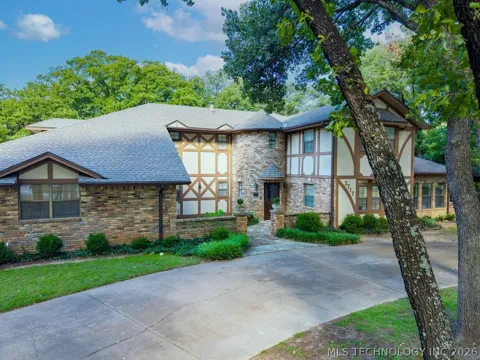
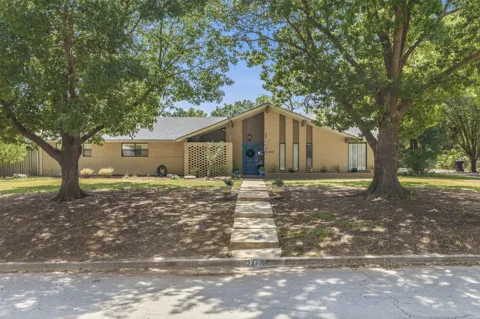
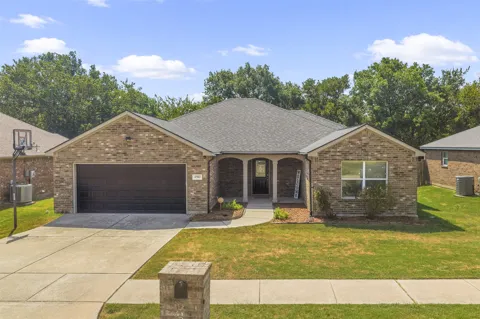
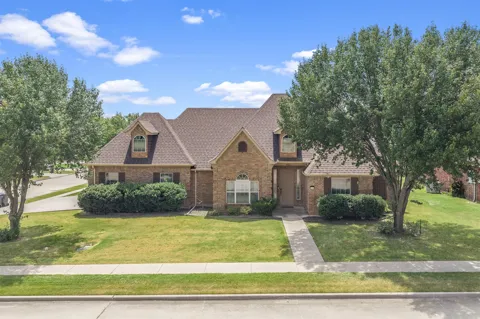
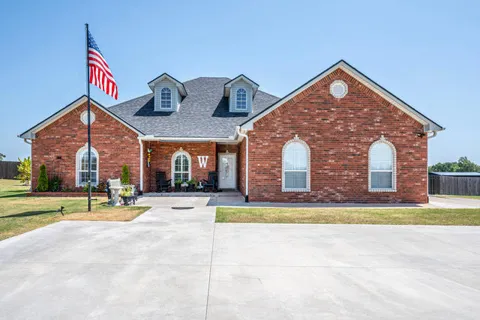
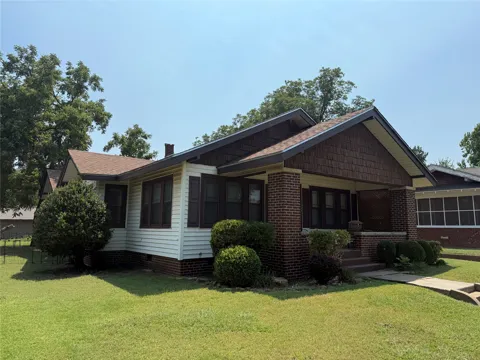
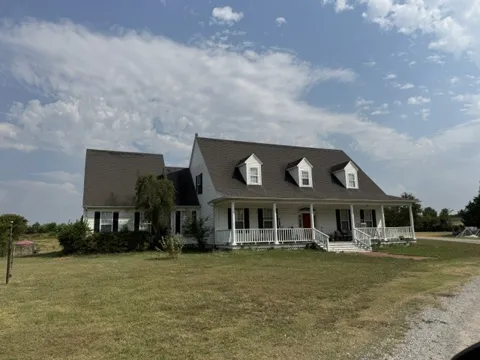
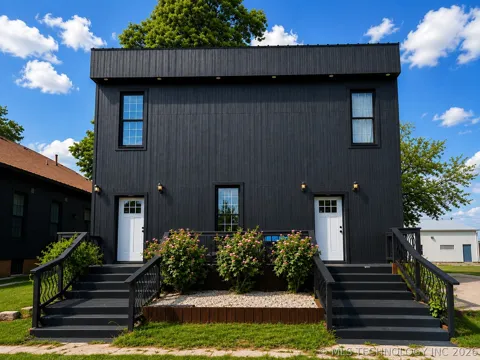
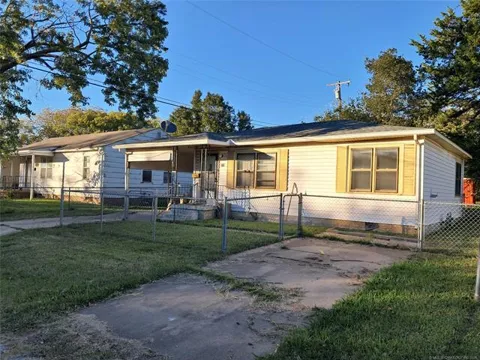
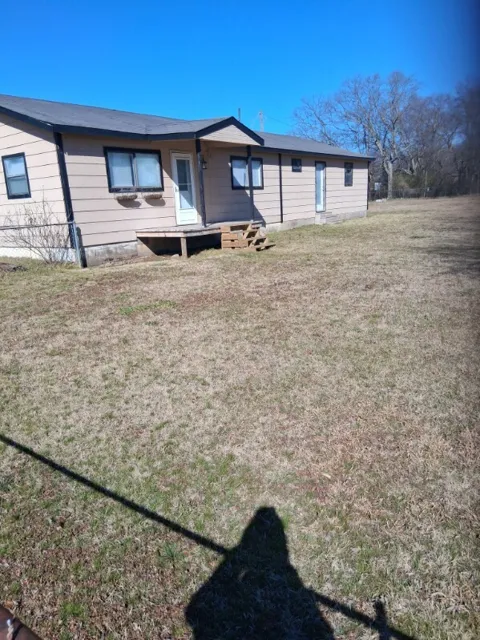
Houses in Ardmore, OK
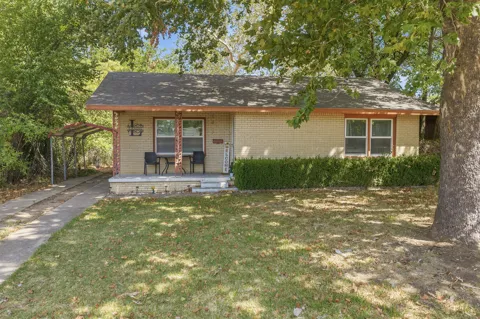
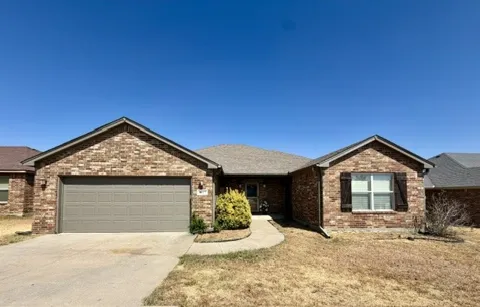

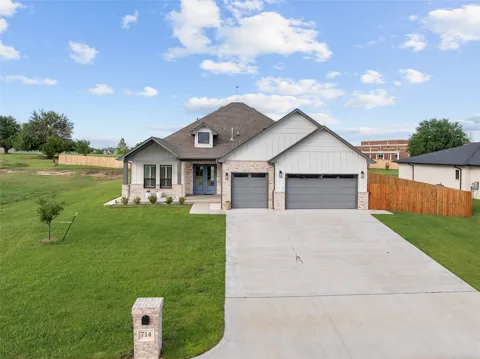
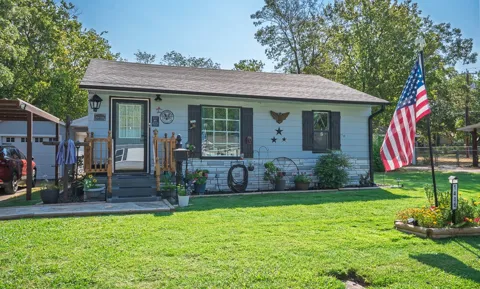

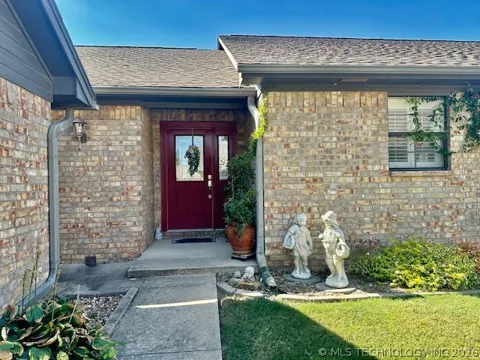
Townhouses & Duplexes in Ardmore, OK
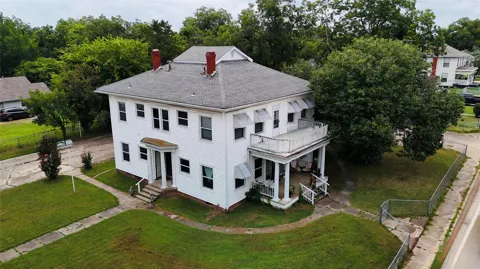
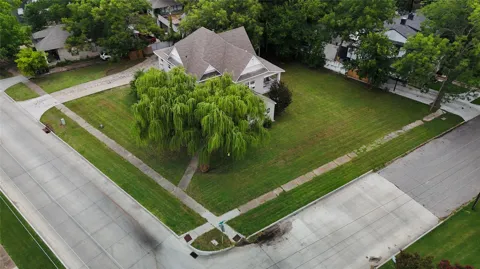
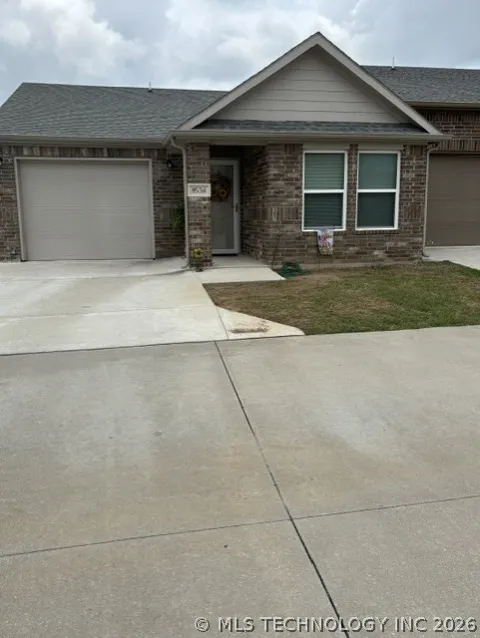
Condos & Apartments in Ardmore, OK
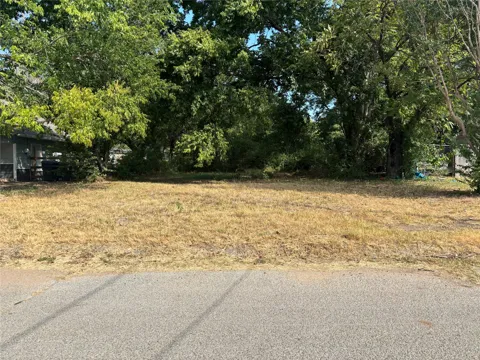
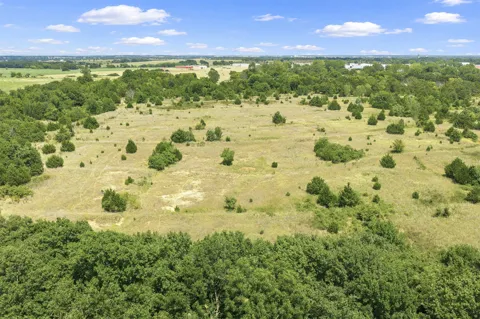
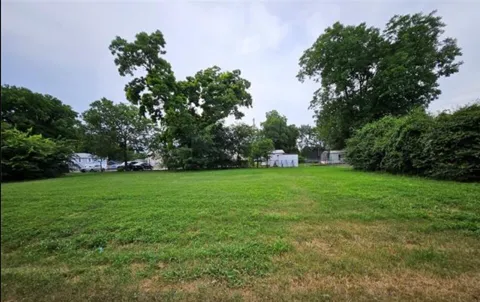
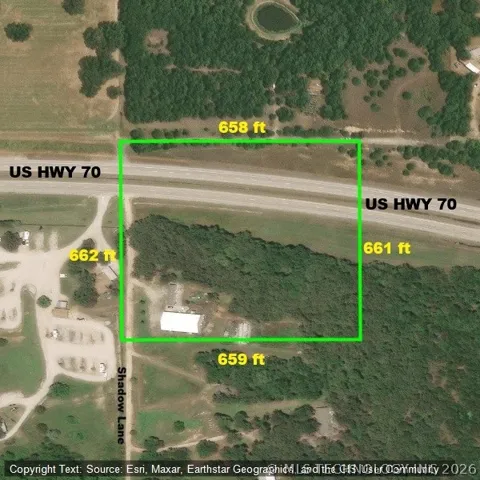
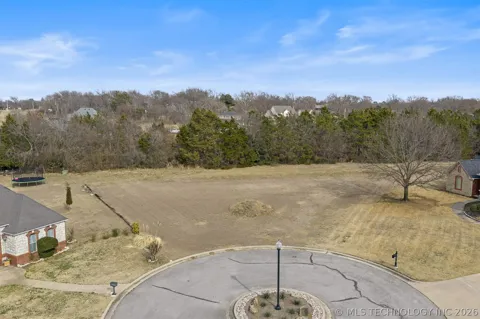
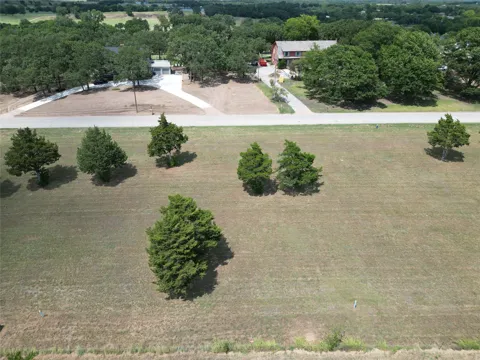
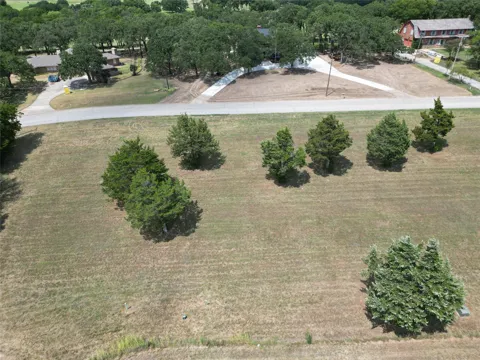
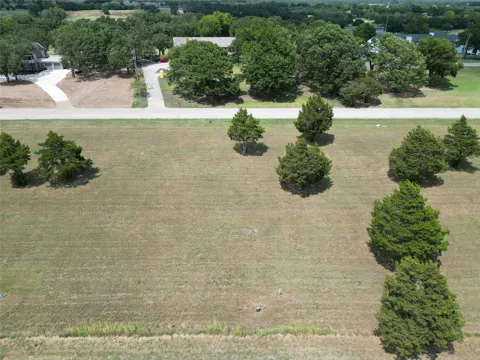
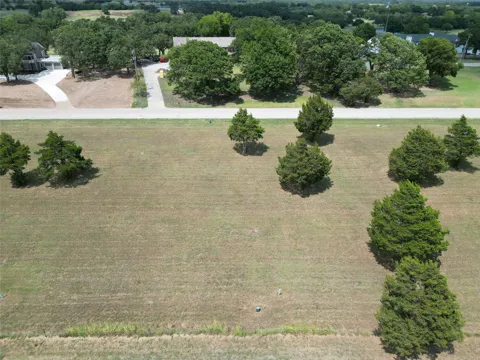
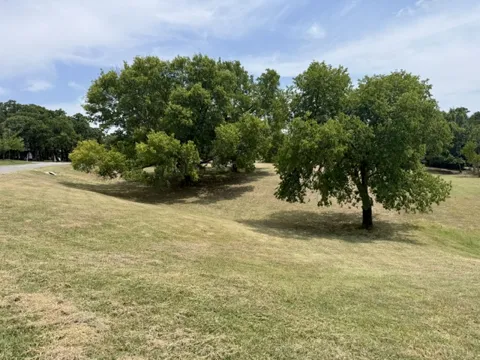
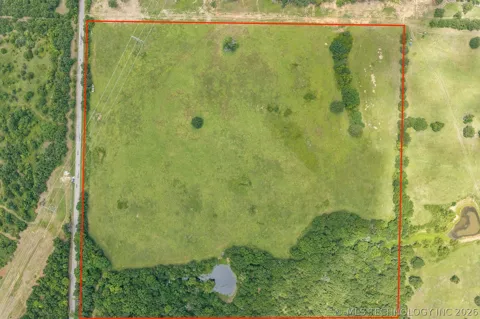
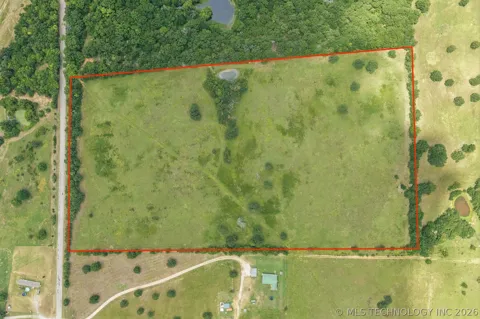
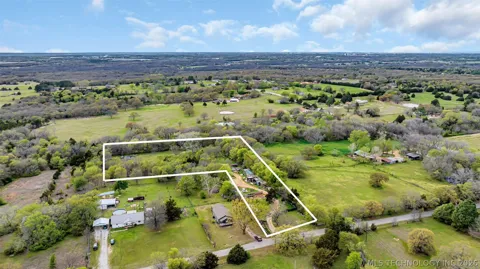
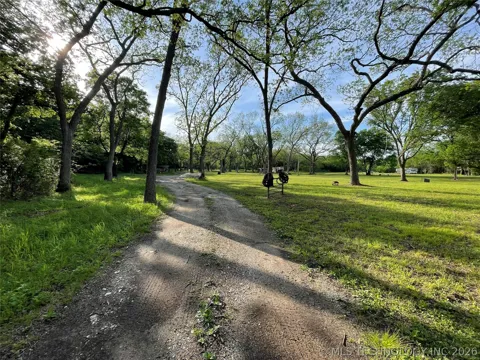
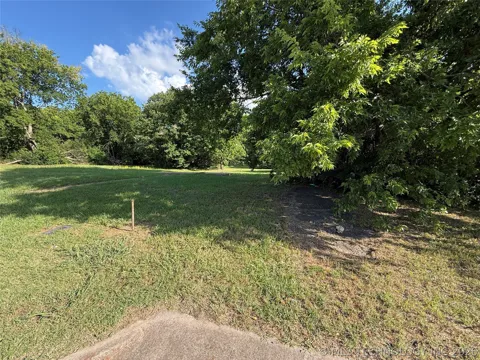
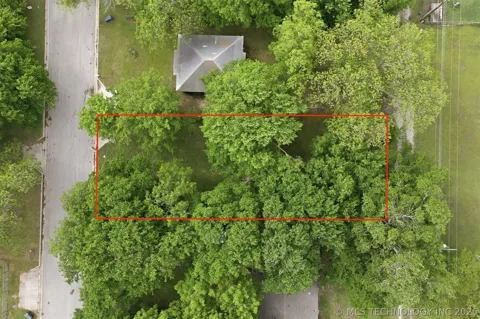
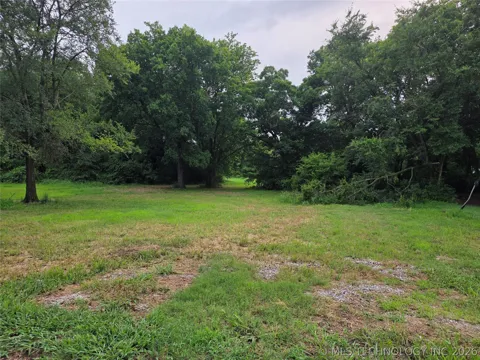
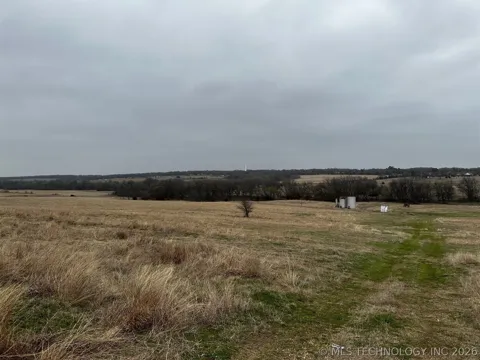
Lots & Land in Ardmore, OK




MARKET SNAPSHOT
The Market at a Glance
How homes have been selling here over the last 90 days.
Price & Sales History
Market data reflects closed sales over the last 90 days and is provided for informational purposes.
Zip Codes
BROWSE BY ZIP
Browse listings by postal code in this area.
City Guide
About Ardmore
Real Estate & Housing
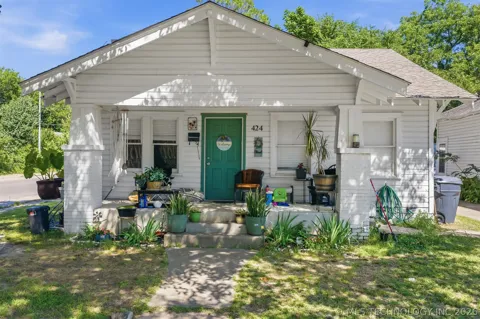
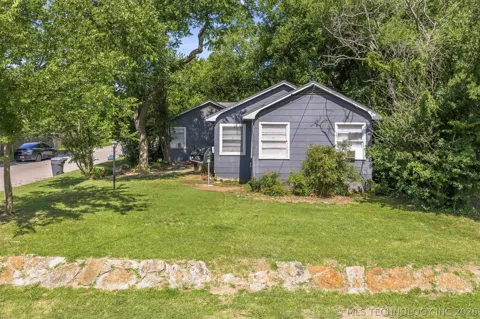
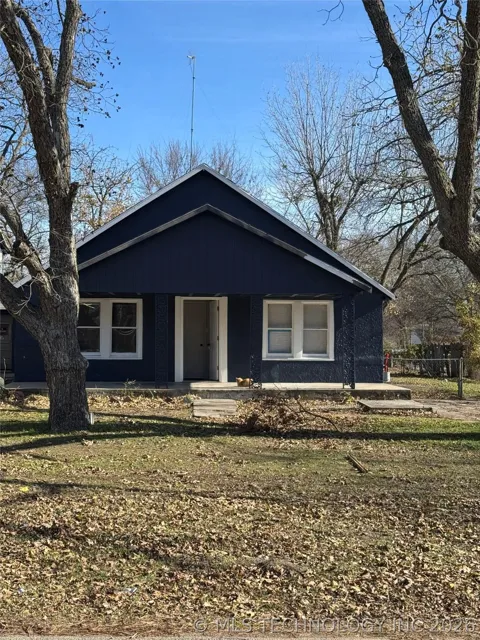
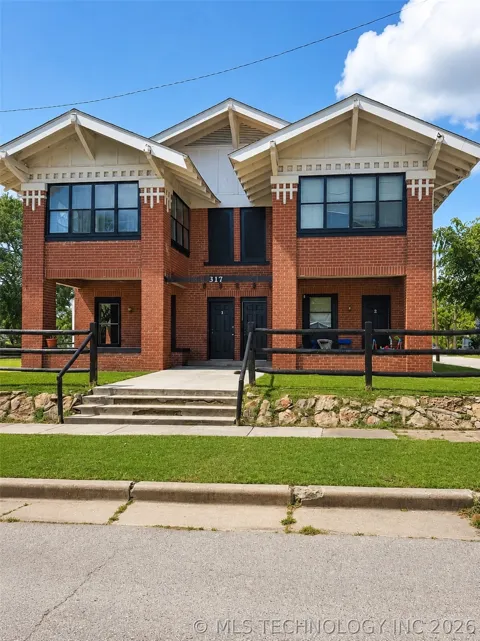
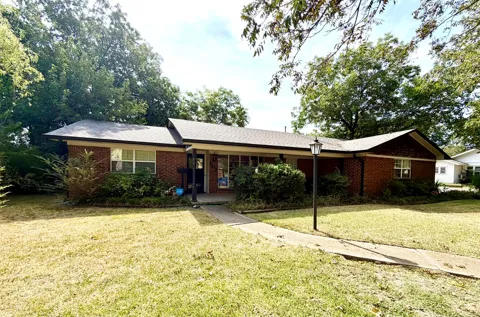
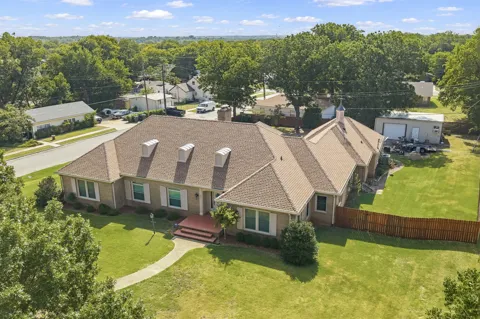
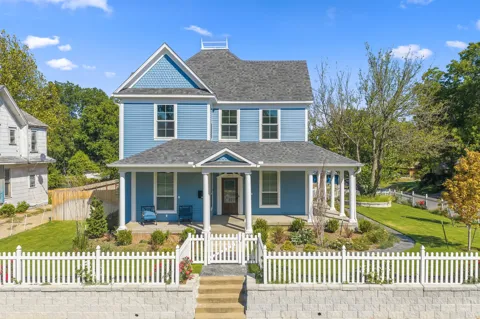
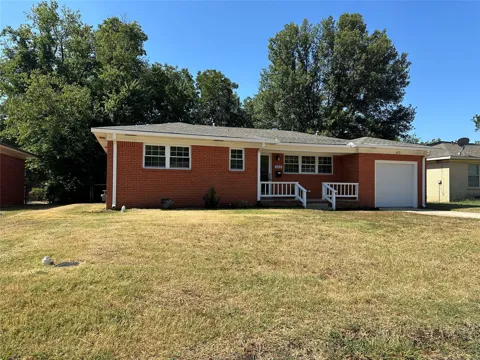
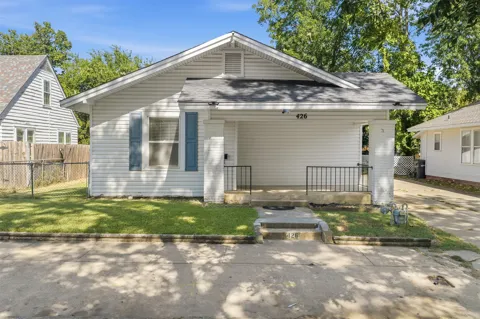
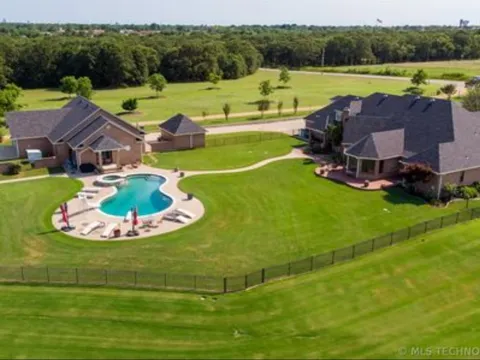
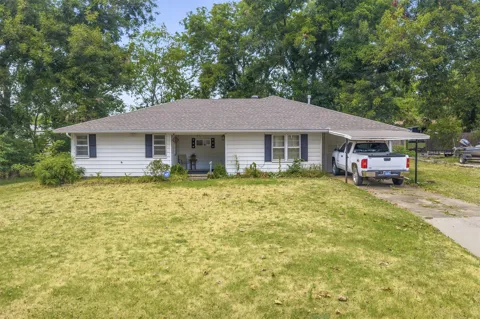
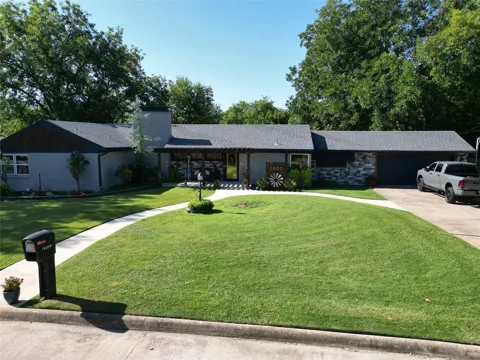
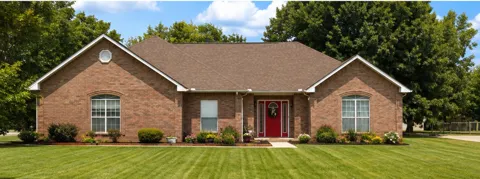
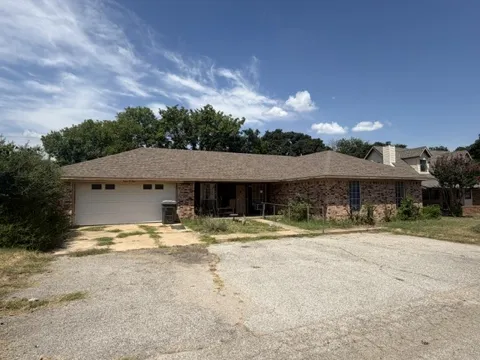
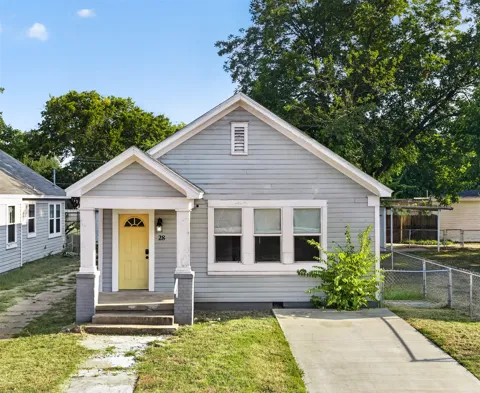
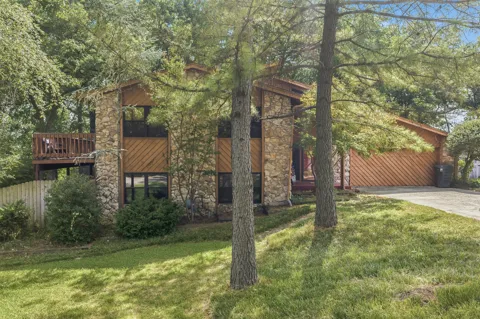
Ardmore's housing stock reflects its century-plus history and its role as a regional seat. Older, established neighborhoods with historic and mid-century homes surround the downtown and courthouse area, while newer subdivisions and developments extend toward the city's edges and along the I-35 corridor. The market is characterized by affordability relative to larger Oklahoma and Texas metros, with single-family detached homes predominating. Lake Murray's presence adds lake-adjacent and rural residential options in the surrounding Carter County area for those seeking acreage or water access. Overall, Ardmore offers a practical, moderately priced housing mix typical of a south-central Oklahoma regional hub.
Neighborhoods
Ardmore's neighborhoods radiate from a historic downtown and county courthouse district, where early commercial buildings and older residential streets mark the city's founding era. Established, tree-lined neighborhoods of mid-century homes surround this core, while newer subdivisions have grown on the city's perimeter and near the I-35 and U.S. 70 corridors. Lake Murray's proximity draws some residents to lake-area and rural settings in the wider Carter County vicinity. Because Ardmore functions as the region's hub, its neighborhoods blend civic institutions, schools, and commercial corridors with residential blocks, giving the city a traditional small-Oklahoma-town structure rather than a series of distinct master-planned communities.
Lifestyle in Ardmore
Ardmore offers a small-city lifestyle with a strong regional identity rooted in the Chickasaw Nation and the surrounding natural landscape. Community life is built around annual events—the Chocolate Festival in February, a June bicycle rally, and fall gatherings such as the Taste of Ardmore and Fiesta Oklahoma—that bring residents downtown. Lake Murray State Park and the Arbuckle Mountains put boating, fishing, hiking, and camping minutes away, shaping a recreation-oriented way of life. The city's cost of living and unhurried pace contrast with the larger metros on either end of I-35, while Mercy Hospital and a diversified commercial base provide everyday services and employment close to home.
Schools & Education
Public education in Ardmore is provided primarily by Ardmore City Schools, the largest district in Carter County, which operates a network of elementary, middle, and high schools serving the city. The district emphasizes a broad range of programs and benefits from strong community support, according to local sources. Additional school districts serve the surrounding Carter County communities, and the area also includes private and parochial school options. Ardmore's role as the county seat means its schools anchor education for a multi-county region, with the district drawing families from the city and nearby areas alike.
Getting Around
Ardmore sits at the intersection of Interstate 35 and U.S. Highway 70, giving it direct freeway connections to Oklahoma City to the north and Dallas–Fort Worth to the south, each roughly ninety miles away. This midpoint position on I-35 has made Ardmore a natural stopover and distribution point, supporting its role as a regional commercial hub. State highways extend into the surrounding Chickasaw Country and Texoma region, and the city's layout remains car-dependent for daily travel. For residents and businesses, the combination of an interstate junction, rail access from its railroad history, and proximity to two major metros underpins Ardmore's practical transportation advantages.
Parks & Recreation
Ardmore's recreation is anchored by Lake Murray State Park, Oklahoma's largest state park at more than 12,500 acres, just south of the city. The park's 5,700-acre lake offers boating, fishing, swimming, and paddle boating, along with golf, horseback riding, hiking, and extensive trails for ATVs and dirt bikes. The Arbuckle Mountains, about nine miles north, add scenic drives, hiking, and natural attractions, with Turner Falls in the region. The city itself hosts community events and maintains parks and recreational facilities for local sports. This combination of a major state park, a mountain range, and small-city amenities gives Ardmore year-round outdoor recreation unusual for its size.
About Ardmore
Frequently asked questions
What county is Ardmore in?
Ardmore is located in Carter County, Oklahoma, in the south-central part of the state, and serves as the county seat. It is the hub of a multi-county region known as Chickasaw Country, situated about nine miles south of the Arbuckle Mountains.
How far is Ardmore from Oklahoma City and Dallas?
Ardmore sits on Interstate 35 and U.S. Highway 70, roughly ninety miles from both Oklahoma City and Dallas–Fort Worth. This midpoint position on the I-35 corridor makes it a practical regional hub with direct highway access to both metro areas.
What is Lake Murray State Park?
Lake Murray State Park, Oklahoma's largest state park at more than 12,500 acres, lies just south of Ardmore. It features a 5,700-acre man-made lake known for its clear water, along with golf, boating, fishing, hiking, horseback riding, and trails.
What is Ardmore's economy based on?
Ardmore was established in 1887 as a cattle-loading station and became a refining center after the 1913 discovery of the Healdton oil field. Today its economy is diversified across manufacturing, healthcare, energy, and retail, with Mercy Hospital Ardmore serving as a regional medical anchor.
What region and events is Ardmore known for?
Ardmore sits within the historic Chickasaw Nation and is considered the hub of Chickasaw Country. The city hosts events such as the Chocolate Festival in February, a bicycle rally in June, and the Taste of Ardmore and Fiesta Oklahoma in the fall.
Still have questions about Ardmore?
Get in touchExplore the area
