
Largest Northern Tulsa Suburb
Listings in Owasso, OK
Welcome to Owasso, the largest northern suburb of Tulsa, set along U.S. Highway 169 in Tulsa and Rogers Counties.
Owasso is a city in Tulsa and Rogers Counties, Oklahoma, and the largest northern suburb of Tulsa. It sits along U.S. Highway 169, the Mingo Valley Expressway, about six miles north of Tulsa's city limits, giving it direct access to the region's largest employment center while maintaining its own distinct suburban identity. The city's population was estimated at roughly 39,000 in 2022, a gain of more than a third since 2010 and a reflection of its sustained status as one of the fastest-growing communities in the Tulsa area. The community traces its origins to 1881, when it was settled in Indian Territory, and it incorporated as a town in 1904, shortly before Oklahoma statehood. Owasso remained small for decades, relying on agriculture and its position north of Tulsa, but postwar suburban growth and a 1972 charter as a city set the stage for expansion. The 1970s, 1980s, and 1990s brought steady population gains, and that momentum has continued into the present through new residential development. Today Owasso is a family-oriented suburb known for its strong public schools, retail and dining, and parks and recreation system. The local economy benefits from its suburban retail corridors and from commuter ties to Tulsa, while the city's own amenities — including the master-planned Stone Canyon community with its golf course and lake — support a self-contained quality of life. Owasso Public Schools, serving about 9,800 students across multiple campuses, is a central draw for families. For homebuyers, Owasso offers a broad housing range, from established in-town neighborhoods to new construction and larger-lot settings, all within a short commute of Tulsa. It appeals to families, professionals, and anyone seeking a growing northern Tulsa suburb with strong schools and convenient highway access.
Get more information about Owasso
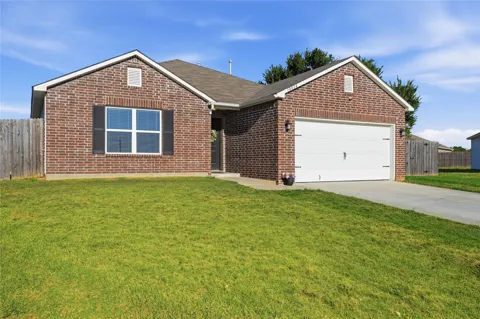
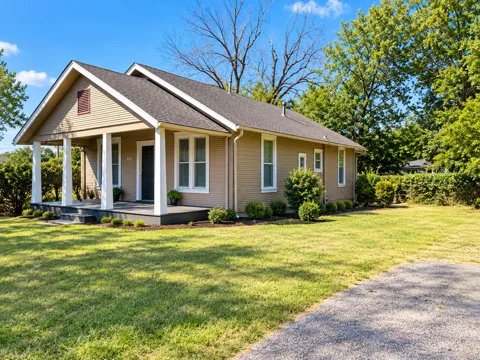
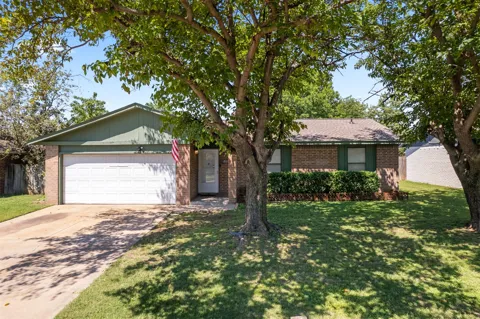
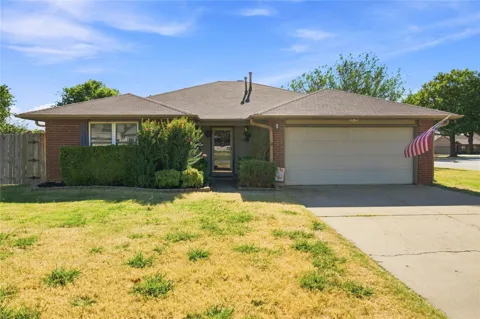
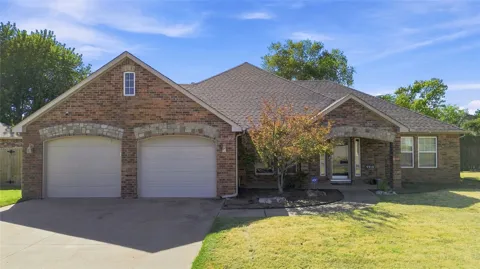
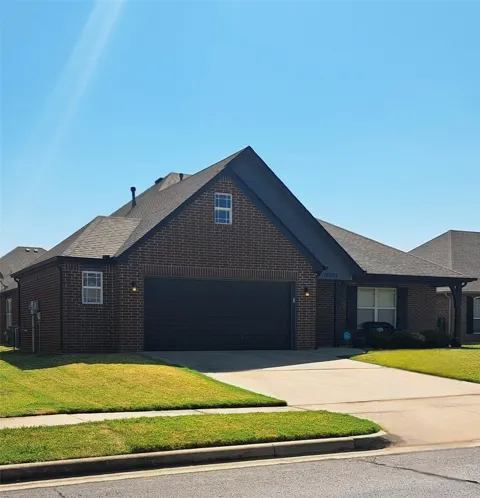
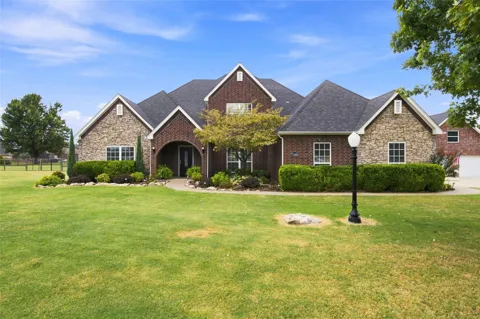
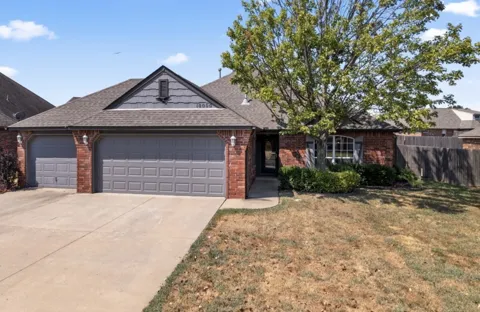
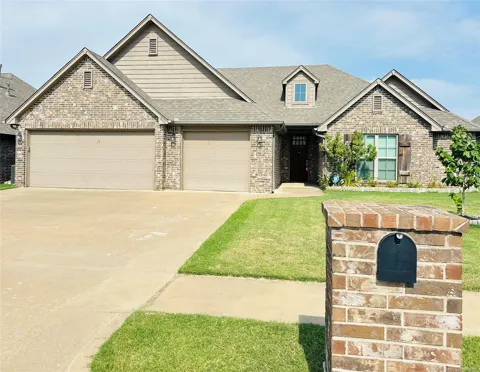
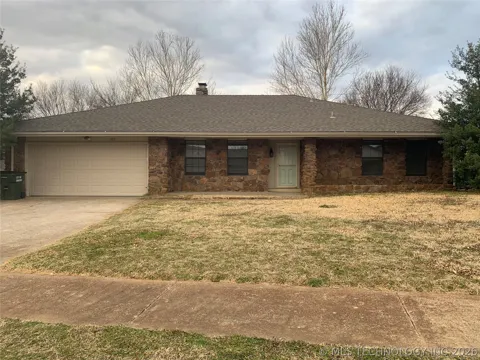
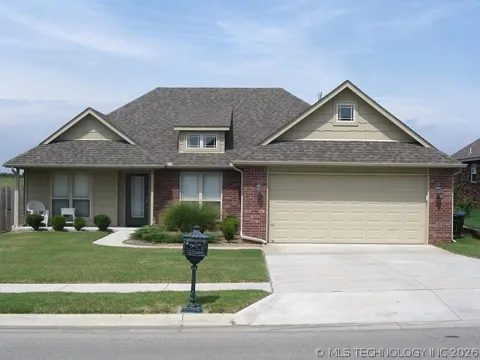
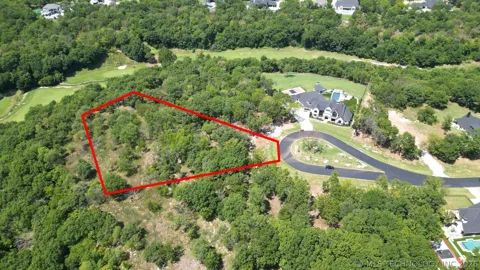
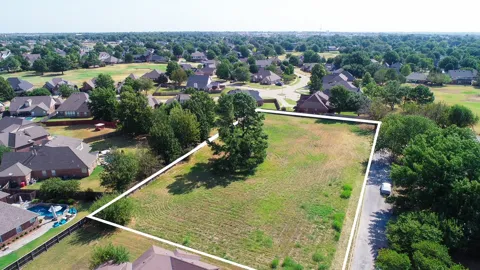
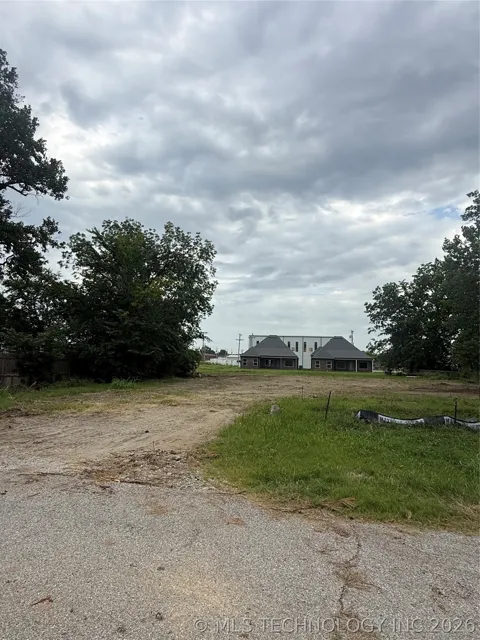
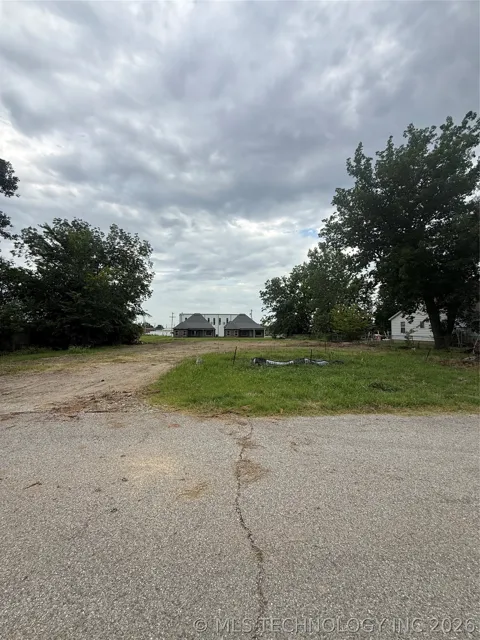
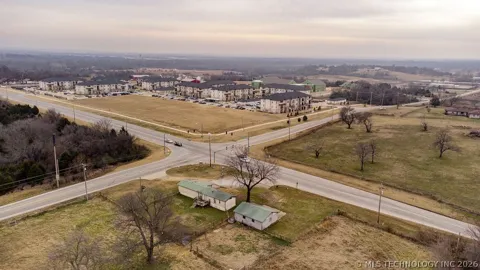
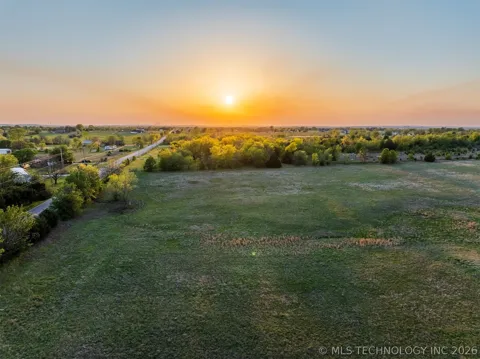
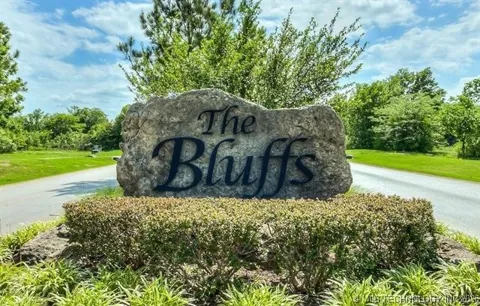
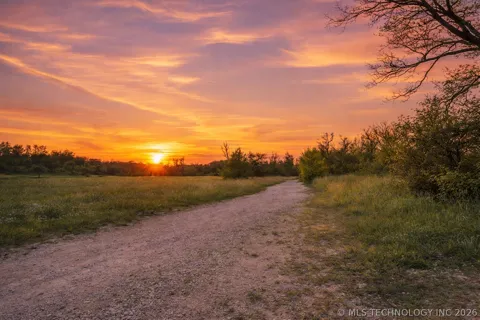
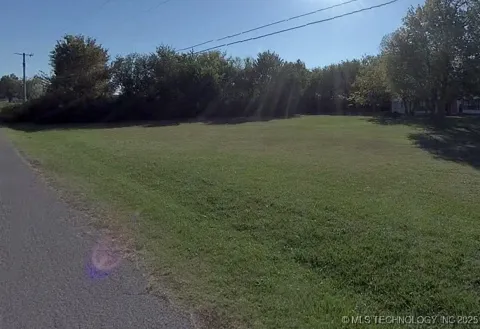
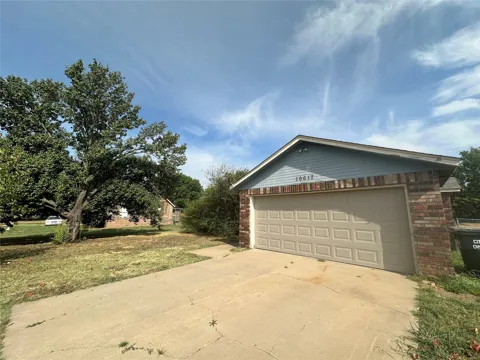
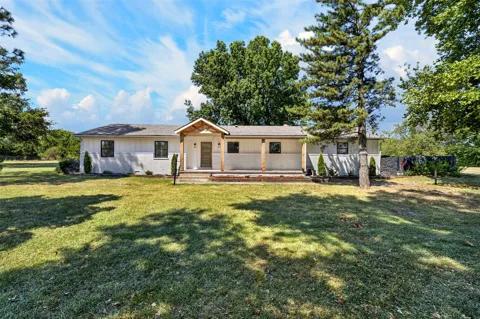
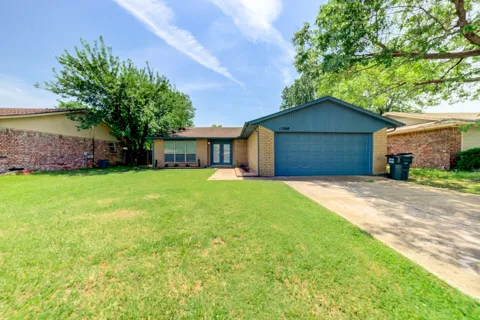
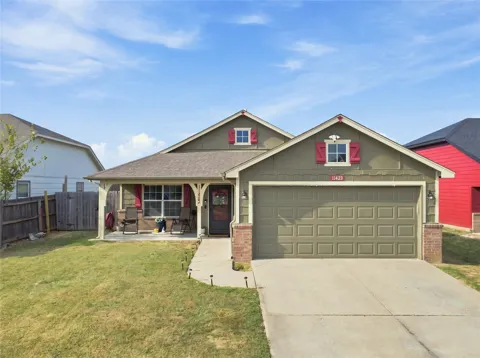
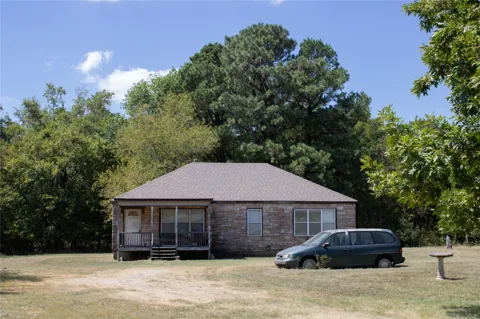
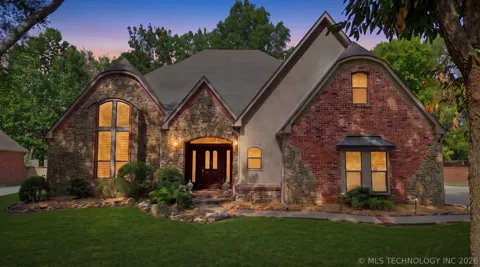
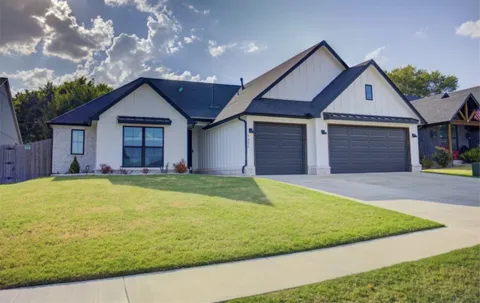
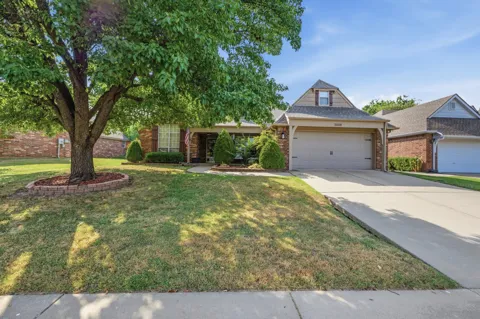
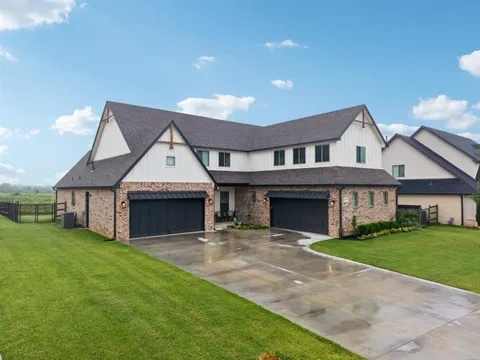
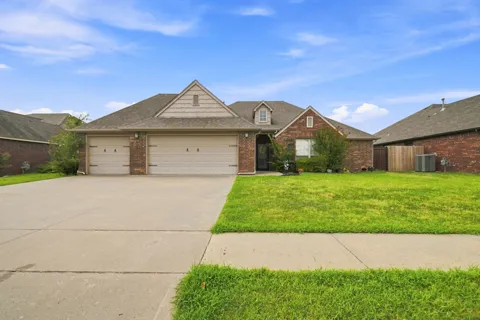
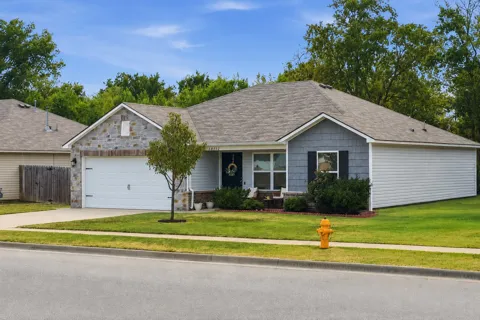
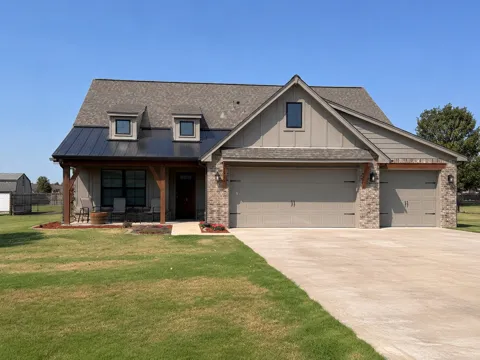
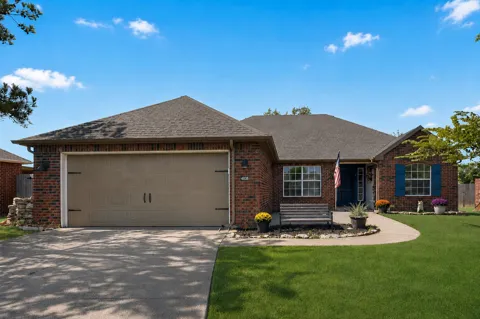
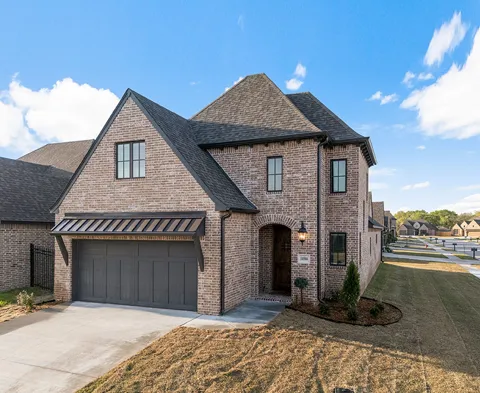
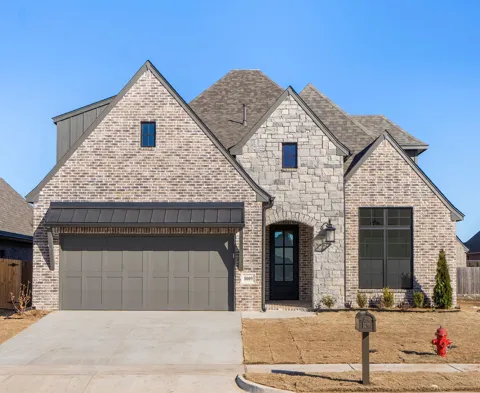
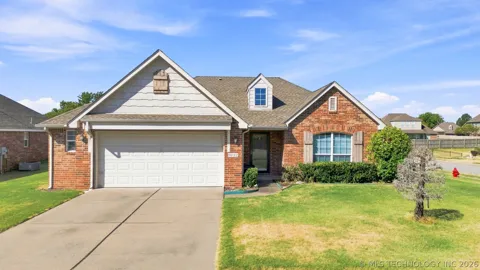
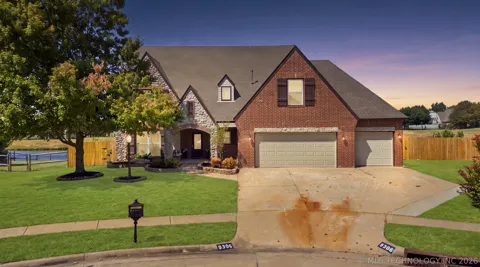
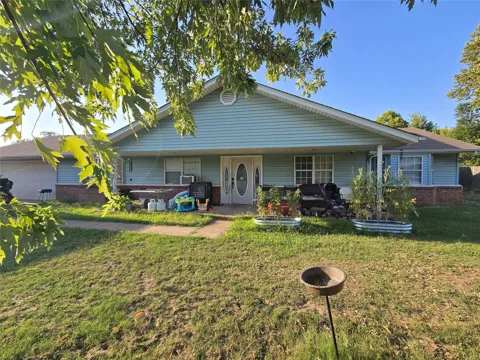
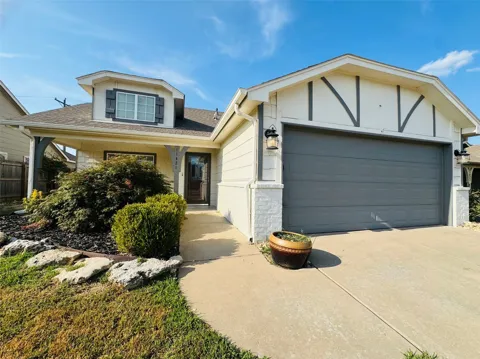
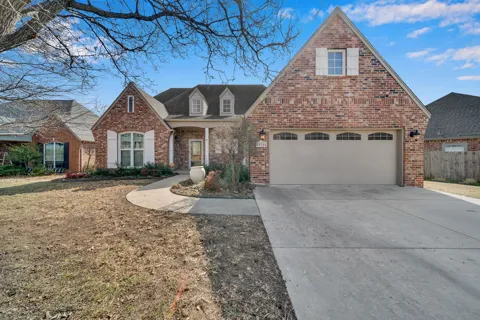
 4 photos
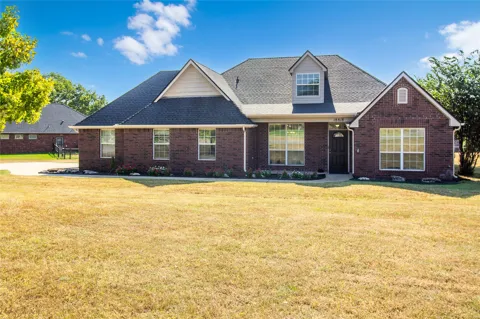
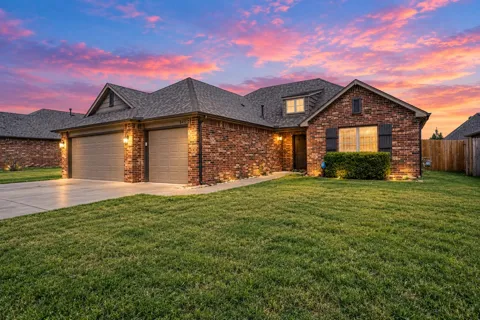
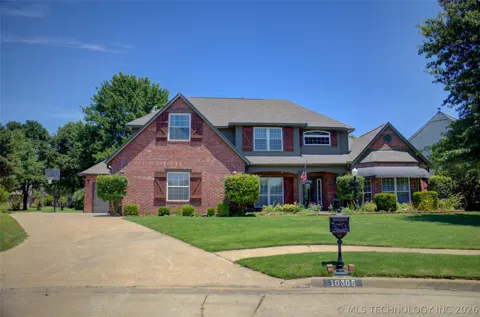
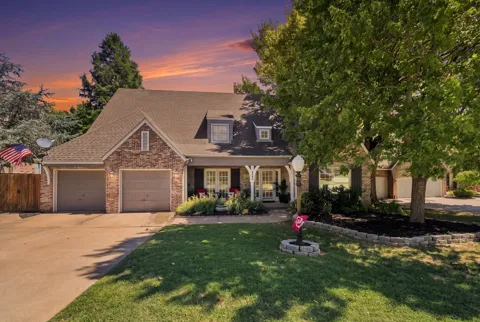
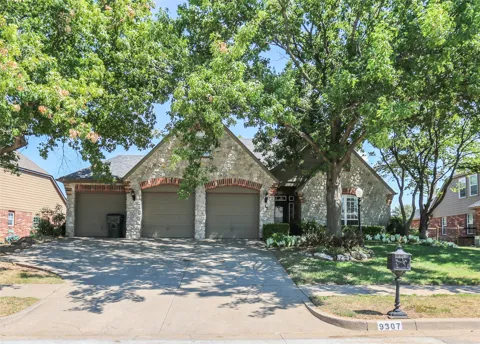
Houses in Owasso, OK

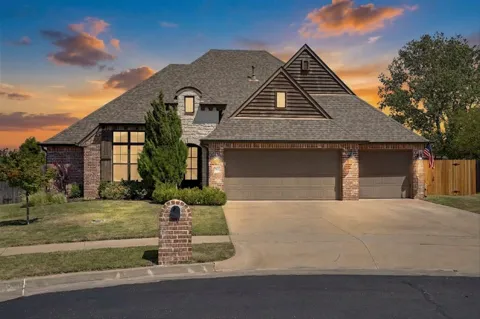
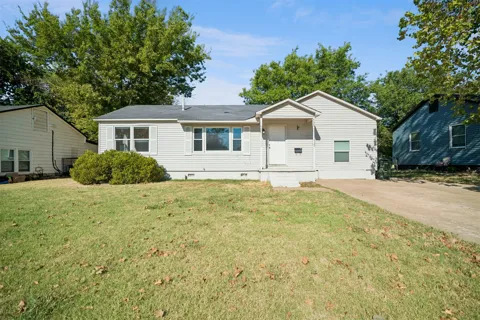
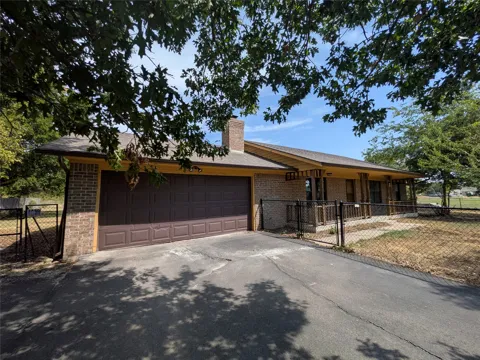
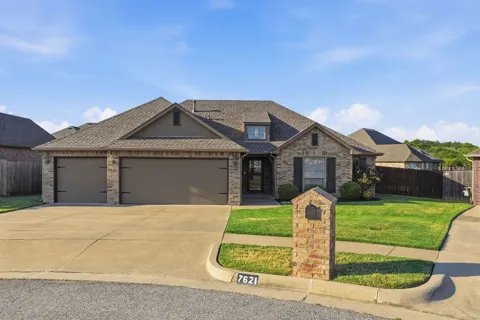
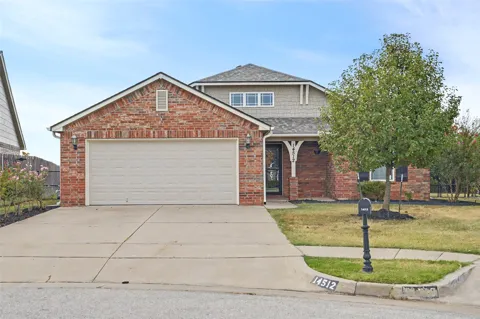
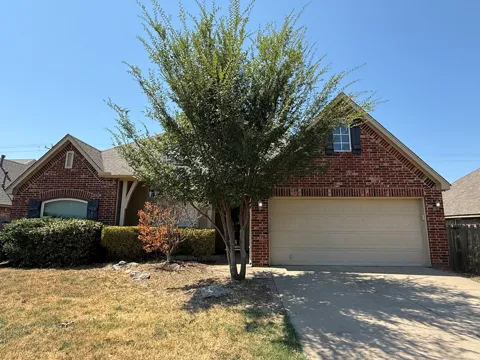
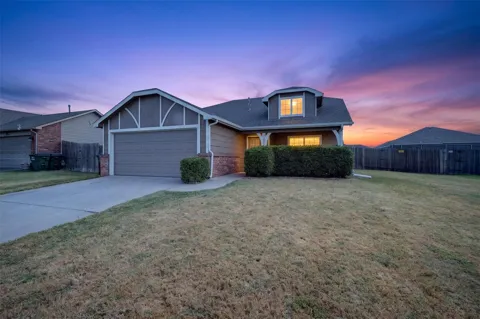
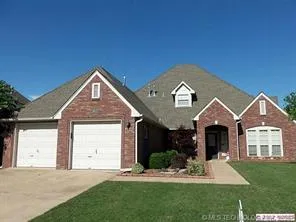
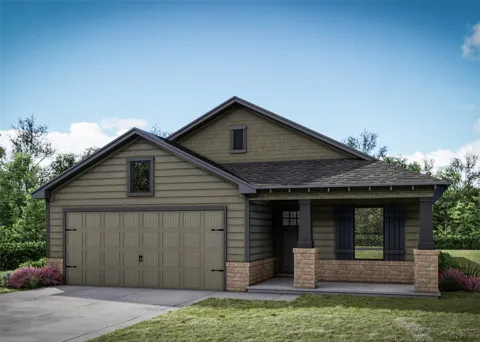
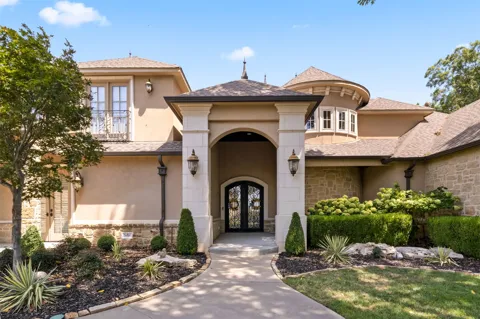
Townhouses & Duplexes in Owasso, OK
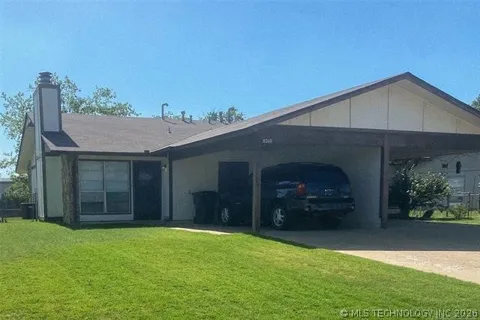
For Rent in Owasso, OK
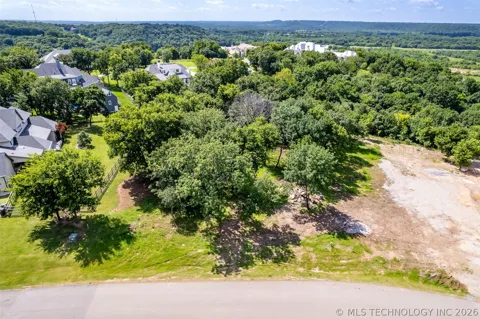
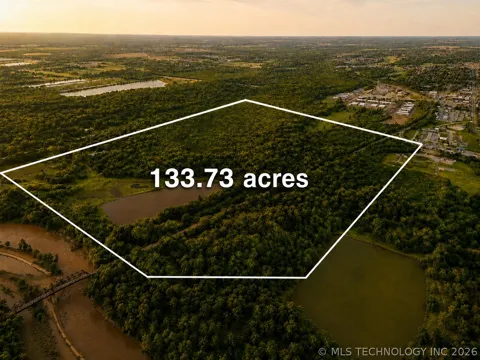
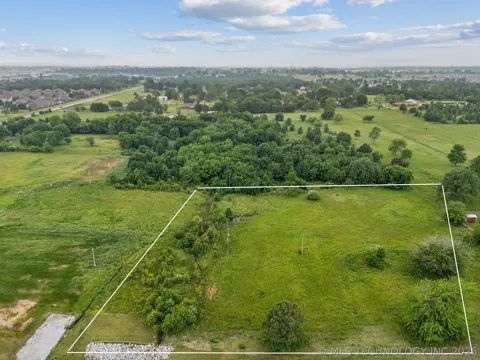
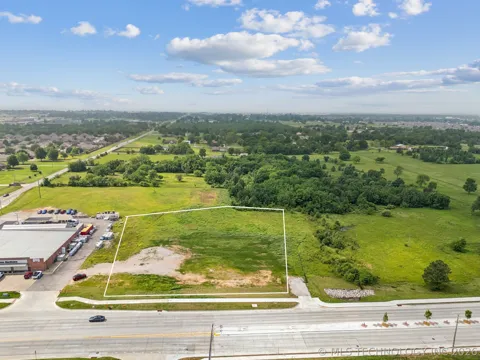
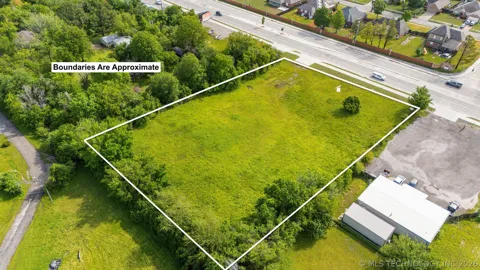
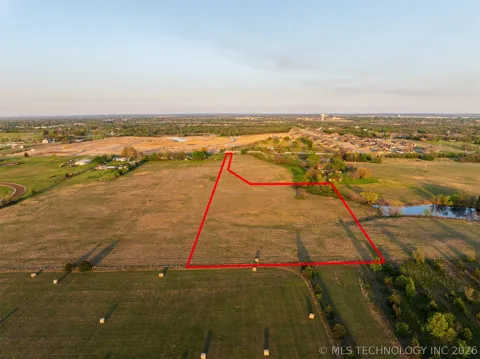
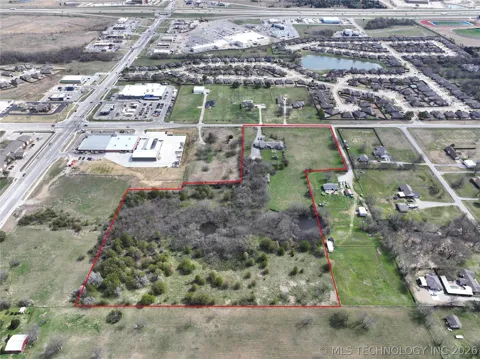
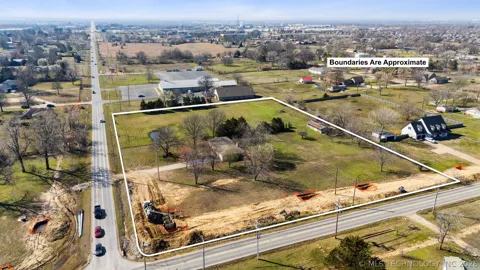
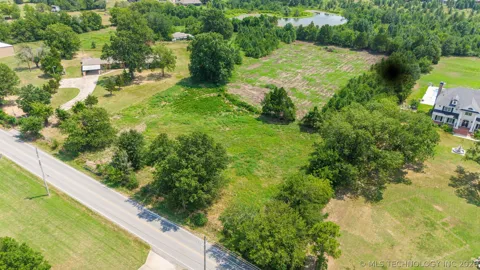
Lots & Land in Owasso, OK
MARKET SNAPSHOT
The Market at a Glance
How homes have been selling here over the last 90 days.
Price & Sales History
Market data reflects closed sales over the last 90 days and is provided for informational purposes.
Zip Codes
BROWSE BY ZIP
Browse listings by postal code in this area.
City Guide
About Owasso
Real Estate & Housing
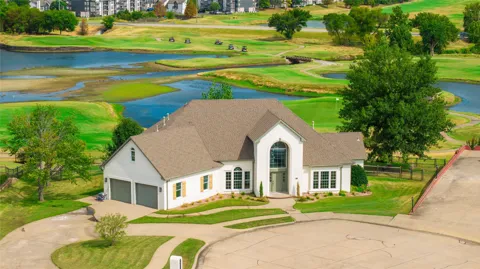
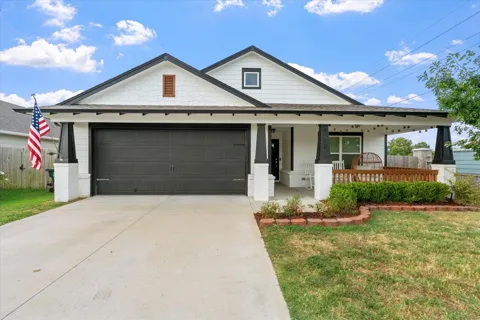
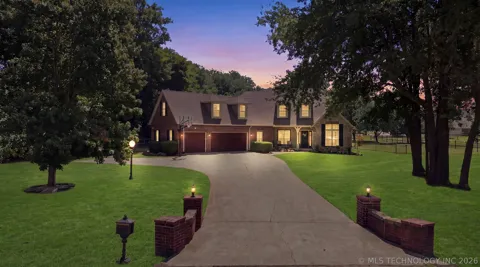
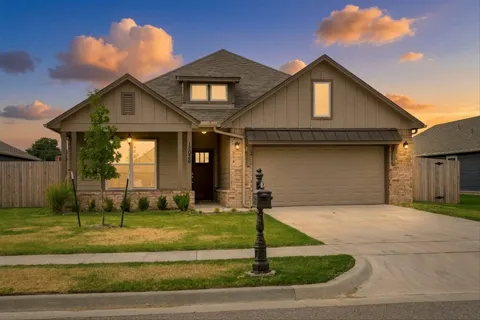
Owasso's housing stock is a mix of established neighborhoods, new construction, and larger-lot and rural-luxury settings. The city's steady growth since the 1980s has produced a range of single-family homes, from comfortable starter properties to move-up houses and estate homes, while master-planned communities such as the 3,000-acre Stone Canyon offer golf-course and lakefront living. Multifamily options, including apartments and rental communities, add variety near major corridors. The market skews heavily toward family-oriented, single-family ownership and reflects Owasso's position as one of the Tulsa metro's most sought-after suburbs, with new subdivisions continuing to expand the city's footprint along the Highway 169 corridor.
Neighborhoods
Owasso's neighborhoods span several generations of development. Stone Canyon is the best known, a 3,000-acre master-planned community built around a golf course and a 100-acre lake, offering a resort-style residential setting with highly rated schools nearby. Around the city's core, established neighborhoods from earlier growth eras provide mature trees and a more traditional suburban feel, while newer subdivisions continue to push outward, particularly along the Highway 169 corridor and the city's northern and eastern edges. Because Owasso Public Schools uses multiple elementary campuses and grade centers, families often weigh school attendance zones and proximity to Highway 169 when comparing the city's mix of established and new-home communities.
Lifestyle in Owasso
Owasso combines the amenities of a fast-growing suburb with the ease of small-town Oklahoma living. Residents enjoy a strong retail and dining scene, an active parks and recreation system, and a community-oriented calendar of events, all within a short drive of Tulsa's employment, cultural, and entertainment offerings. The city's growth has been driven by families drawn to its schools and quality of life, and the presence of master-planned communities such as Stone Canyon adds golf, lake, and club amenities to the local lifestyle. Day-to-day life centers on neighborhood schools, sports programs, and convenient shopping along the Highway 169 corridor, with Tulsa's larger attractions always within reach.
Schools & Education
Owasso is served by Owasso Public Schools, a highly rated pre-K through 12th-grade district with roughly 9,800 students. The district is organized around nine elementary schools, separate sixth, seventh, and eighth grade centers, Owasso High School, and the Owasso Ram Academy alternative program, with a total of about 15 instructional sites. The district's campuses are distributed through a city divided north to south by Highway 169, and school quality is frequently cited as a primary reason families choose Owasso. Enrollment growth has tracked the city's population gains, and the district's size and structure allow it to offer broad academic, arts, and athletic programming across multiple grade levels.
Getting Around
Owasso's transportation backbone is U.S. Highway 169, the Mingo Valley Expressway, which runs north-south through the city and connects it directly to Tulsa about six miles to the south. The corridor is the primary commuter route for Owasso, Collinsville, and Oologah residents traveling to Tulsa's employment centers, and the Oklahoma Department of Transportation has undertaken widening projects along the route to keep pace with regional growth. Local arterials and connecting state highways, including State Highway 20 near Collinsville, provide east-west access across northeastern Oklahoma. There is no fixed-route rail transit in the city, so residents rely on private vehicles, with downtown Tulsa reachable in roughly 15 to 20 minutes in typical conditions.
Parks & Recreation
Owasso's recreation system combines community parks, sports facilities, and residential amenities. The city's parks and recreation department maintains a network of green spaces, trails, and athletic fields that support youth sports and community programming, while residents of Stone Canyon enjoy golf and a 100-acre lake within their community. The surrounding area offers additional golf courses and fishing ponds, and the Tulsa metro's larger park system, including the River Parks trails along the Arkansas River, is a short drive away. This mix of neighborhood-level recreation and access to Tulsa's regional amenities makes Owasso well suited to active families and outdoor recreation throughout the year.
About Owasso
Frequently asked questions
What county is Owasso, Oklahoma in?
Owasso is located in both Tulsa County and Rogers County, Oklahoma. It is the largest northern suburb of Tulsa and sits along U.S. Highway 169, about six miles north of Tulsa's city limits.
How far is Owasso from Tulsa?
Owasso sits about six miles north of Tulsa's city limits on U.S. Highway 169, the Mingo Valley Expressway. Highway 169 is the primary commuter route connecting Owasso, Collinsville, and Oologah to Tulsa's employment centers.
What school district serves Owasso?
Owasso is served by Owasso Public Schools, a highly rated pre-K through 12th-grade district with about 9,800 students. The district operates nine elementary schools, separate sixth, seventh, and eighth grade centers, Owasso High School, and the Owasso Ram Academy.
What is Stone Canyon in Owasso?
Stone Canyon is a 3,000-acre master-planned community in Owasso featuring a golf course and a 100-acre lake, along with access to highly rated schools. It is one of the area's most recognizable residential communities.
What is Owasso known for?
Owasso is known as the largest northern suburb of Tulsa and one of the fastest-growing cities in the Oklahoma metro. It combines strong public schools, a thriving retail and dining scene, and parks and recreation with quick access to Tulsa along Highway 169.
Still have questions about Owasso?
Get in touchExplore the area
