
Three Forks River City
Listings in Muskogee, OK
An Oklahoma river town at the Three Forks, steeped in Native American heritage and made famous by "Okie from Muskogee," with azalea-filled parks and a working river port.
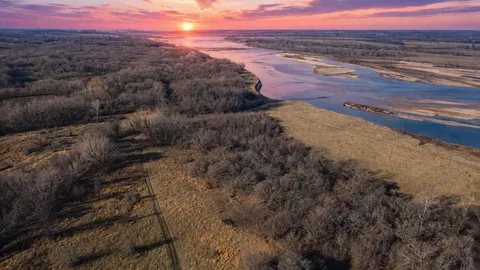
Muskogee is the county seat of Muskogee County, Oklahoma, in the eastern part of the state known as Green Country, about forty-eight miles southeast of Tulsa. It stands at the Three Forks, the historic confluence of the Arkansas, Verdigris, and Grand rivers, a location that has drawn settlement for centuries and gave the city its strategic importance. The area's history reaches back to Native American peoples, and the city takes its name from the Muscogee, or Creek, people. After the forced removal of the Five Civilized Tribes to Indian Territory in the nineteenth century, Muskogee grew as a trading and administrative center, with Fort Gibson established nearby in 1824. The arrival of railroads in the 1870s spurred rapid growth, and by statehood Muskogee was one of the territory's leading cities. Today Muskogee blends that heritage with a practical regional economy. Manufacturing, logistics, healthcare, and agriculture anchor local employment, and the Port of Muskogee, opened to year-round navigation by the McClellan-Kerr Arkansas River Navigation System, links the city to the Mississippi River and Gulf ports. Bacone College, one of Oklahoma's oldest Native American-founded institutions, remains a local landmark, as does the Five Civilized Tribes Museum. Culturally, Muskogee is best known for Merle Haggard's 1969 hit "Okie from Muskogee," a reference the city embraces through the Oklahoma Music Hall of Fame. Honor Heights Park's 30,000 azaleas anchor the long-running Azalea Festival, and the Garden of Lights brightens the winters. With affordable housing, Muskogee Public Schools, and a location near Tulsa and the Illinois River country, Muskogee offers a distinct, history-rich Oklahoma lifestyle.
Get more information about Muskogee
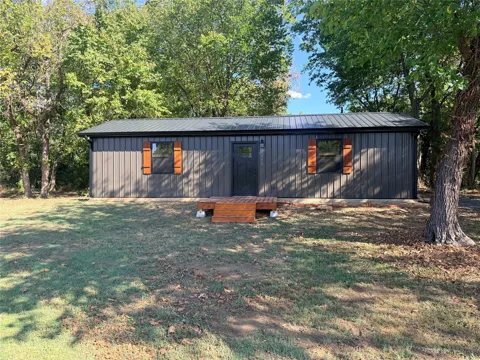
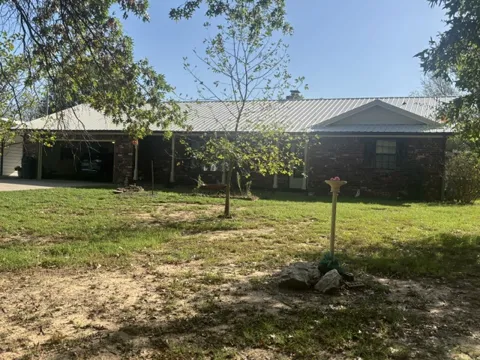
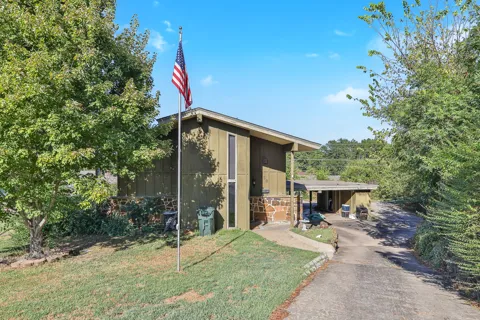
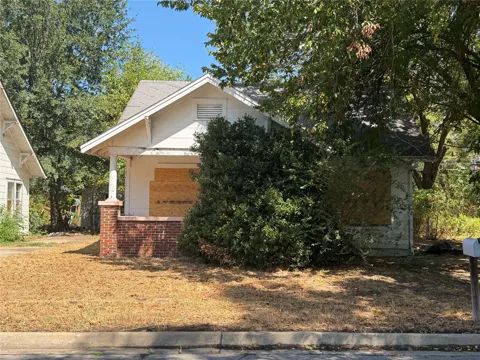
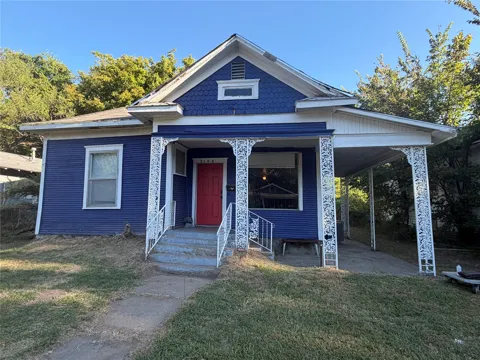
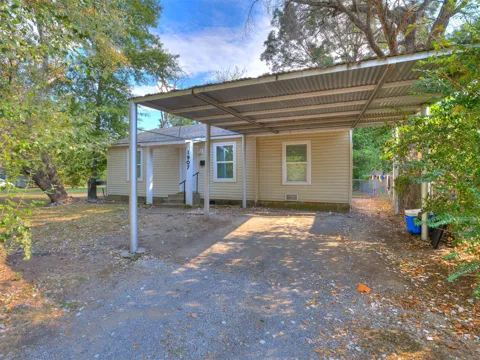
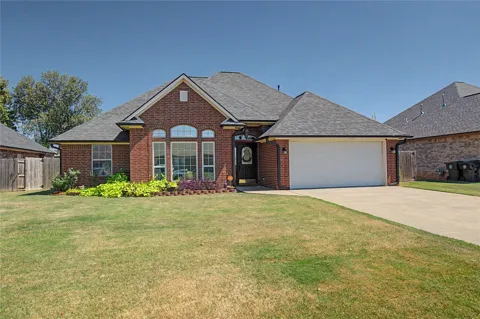
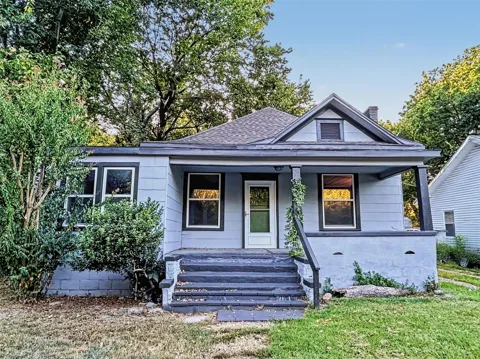
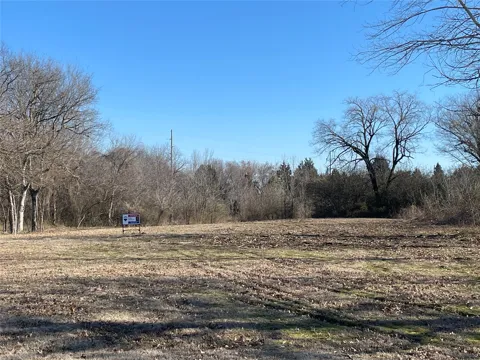
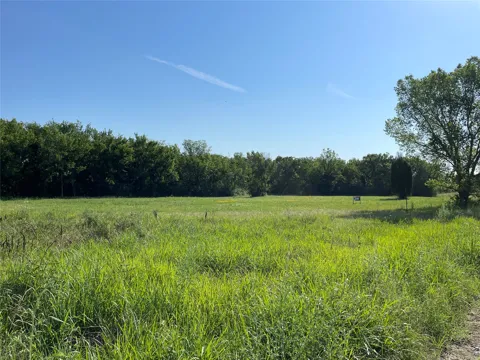
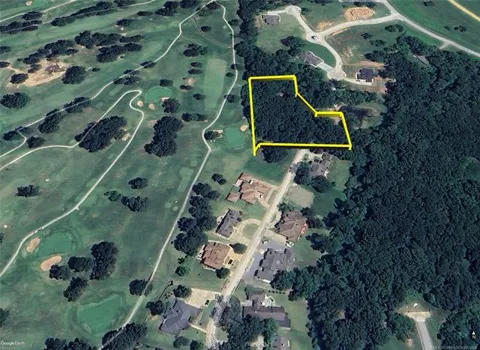
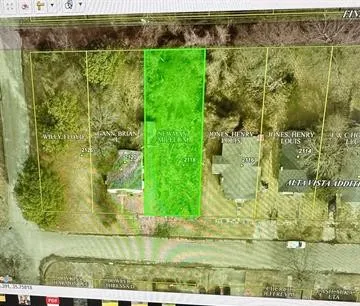
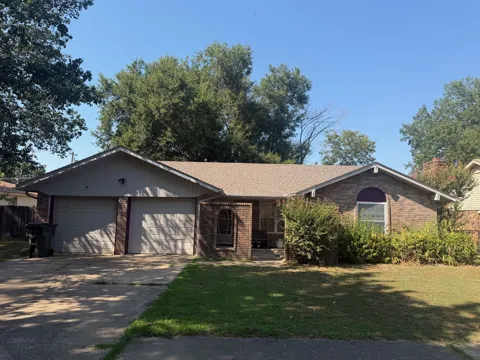
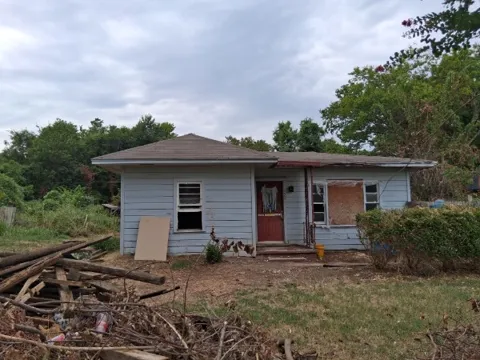
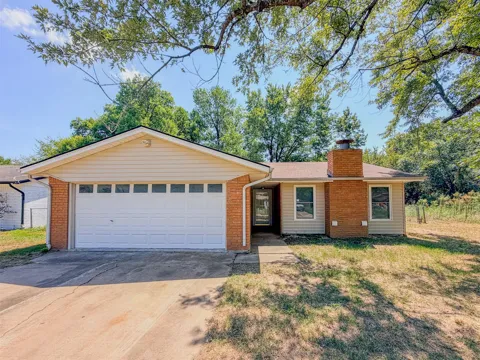
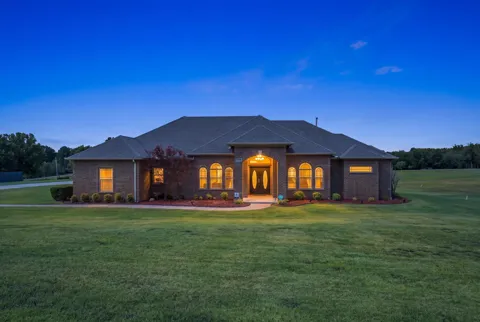
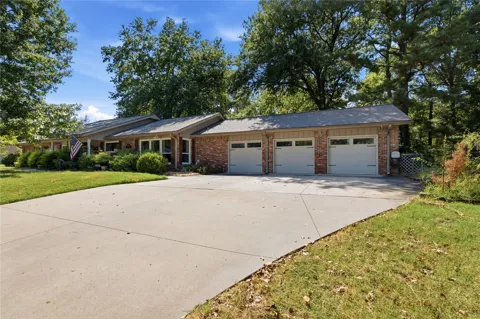
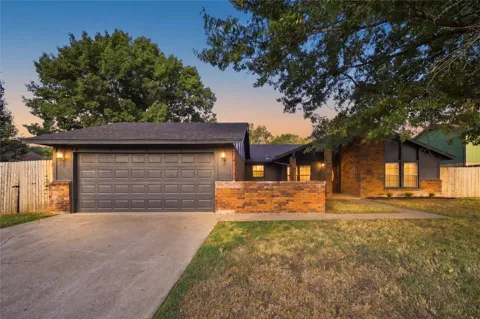
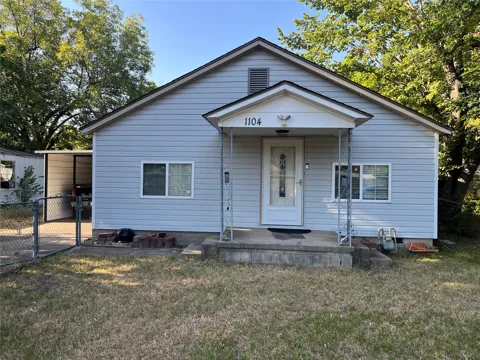
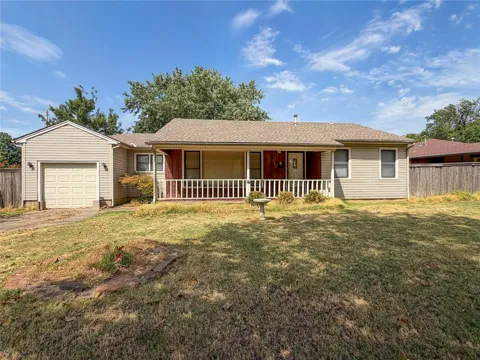
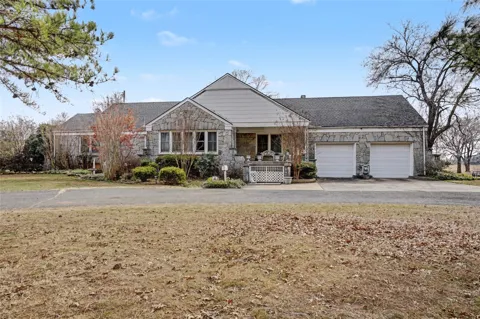
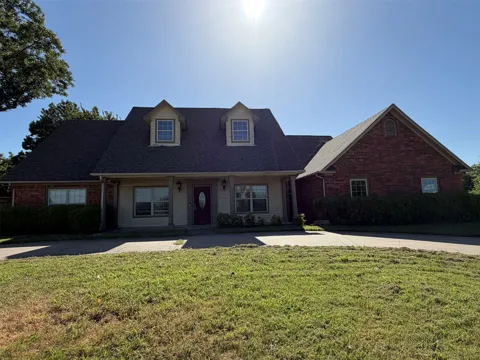
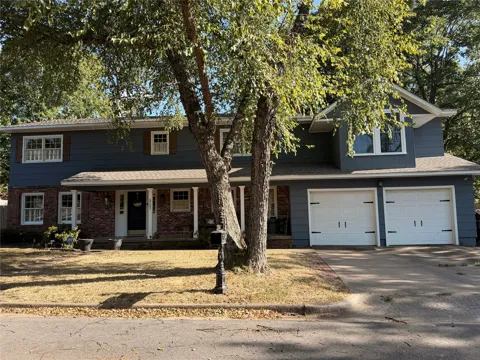
 4 photos
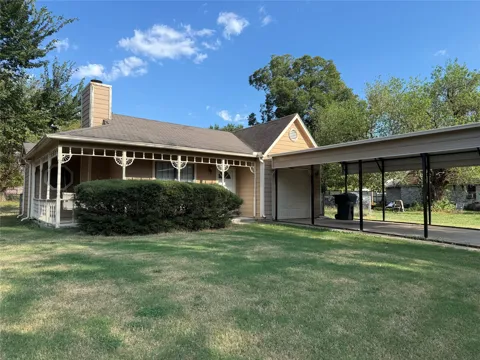
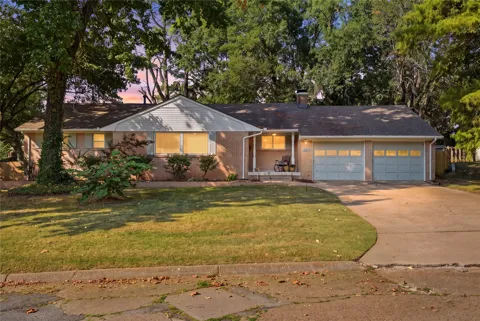
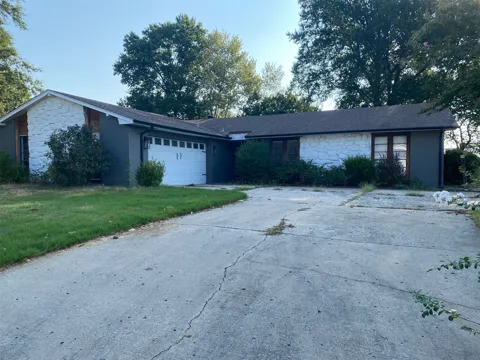
Houses in Muskogee, OK

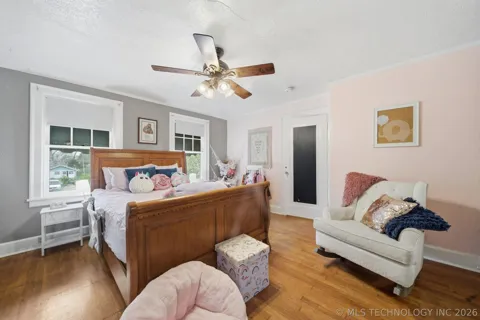
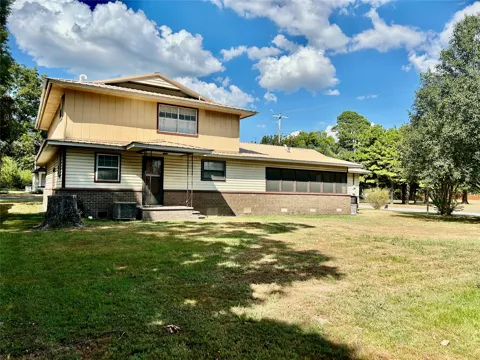
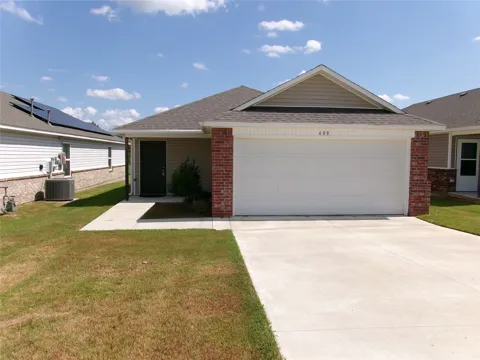
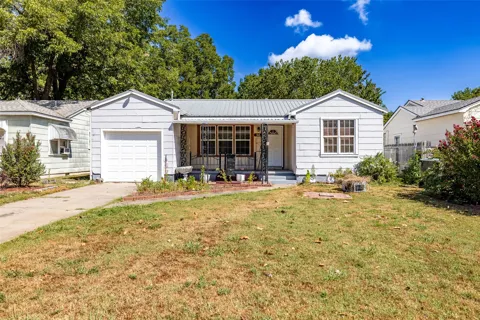

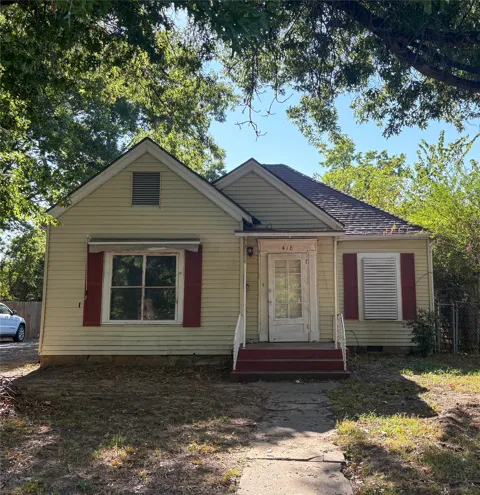
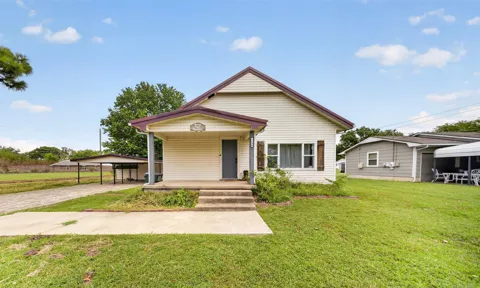
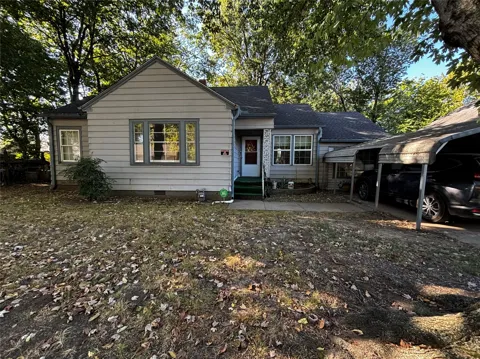
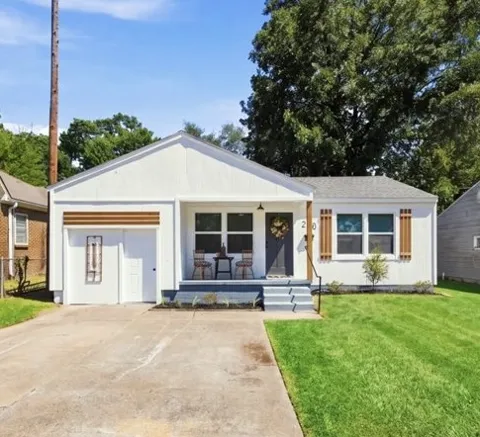
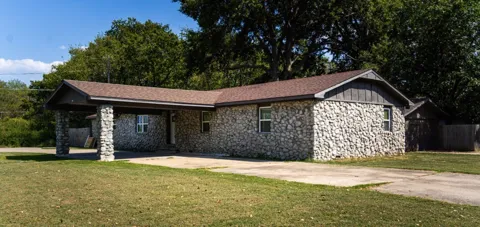
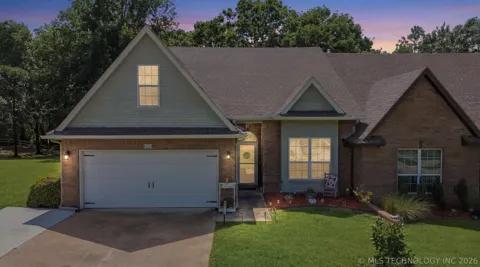
Townhouses & Duplexes in Muskogee, OK
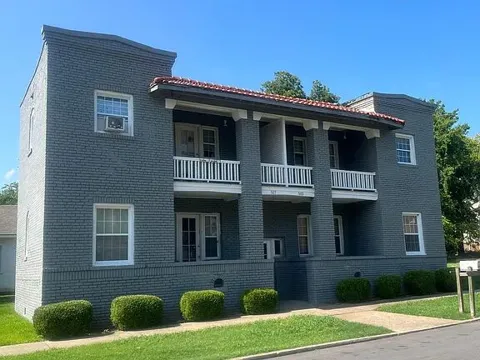
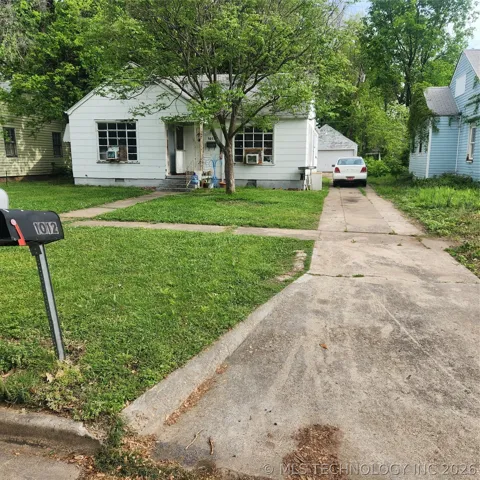
For Rent in Muskogee, OK
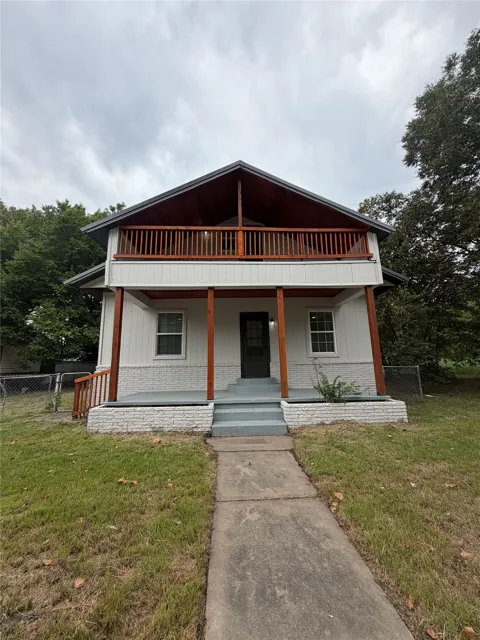
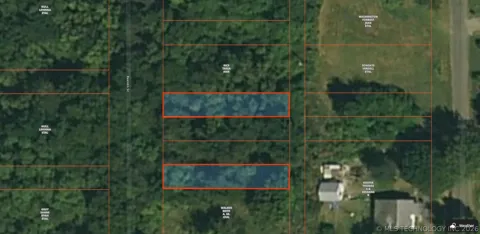
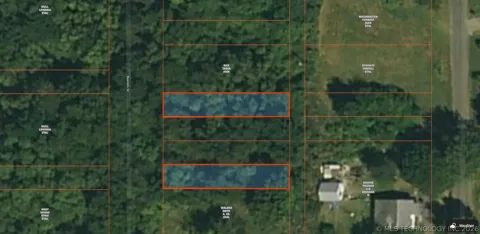
Lots & Land in Muskogee, OK
MARKET SNAPSHOT
The Market at a Glance
How homes have been selling here over the last 90 days.
Price & Sales History
Market data reflects closed sales over the last 90 days and is provided for informational purposes.
Zip Codes
BROWSE BY ZIP
Browse listings by postal code in this area.
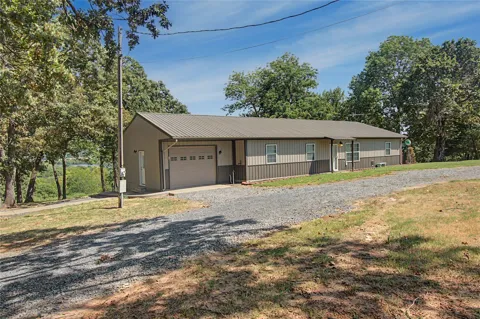
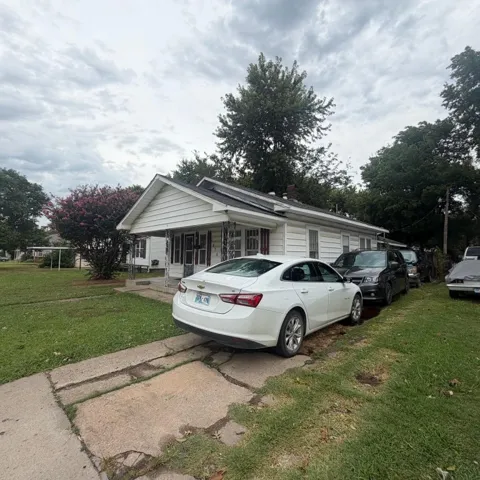
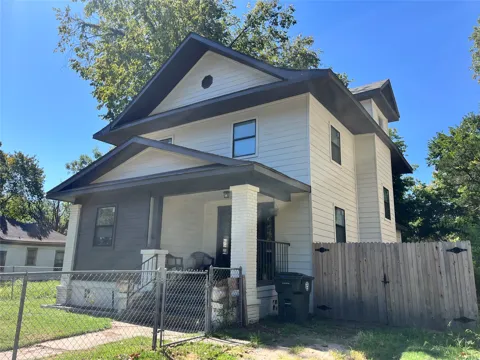
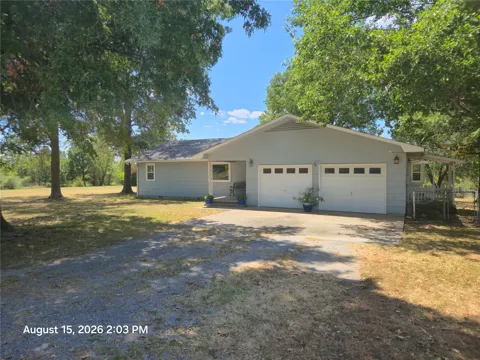
City Guide
About Muskogee
Real Estate & Housing
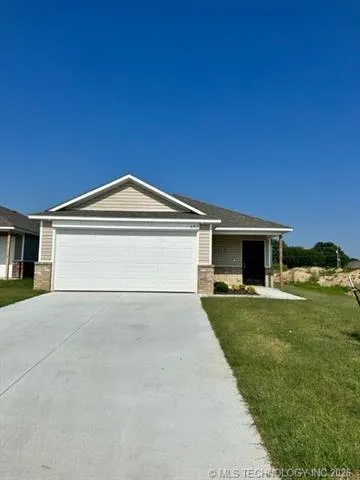
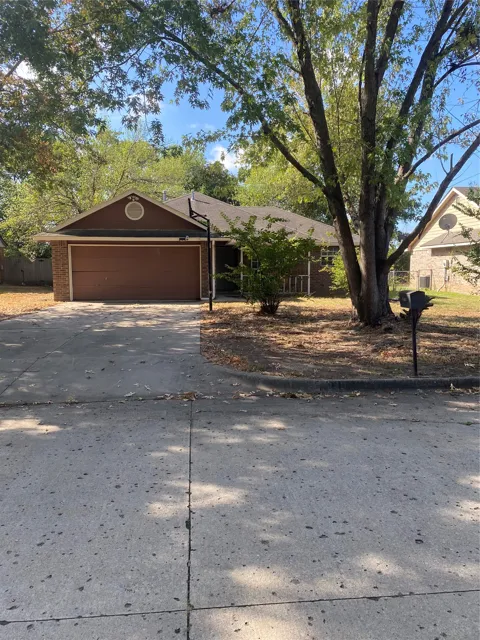
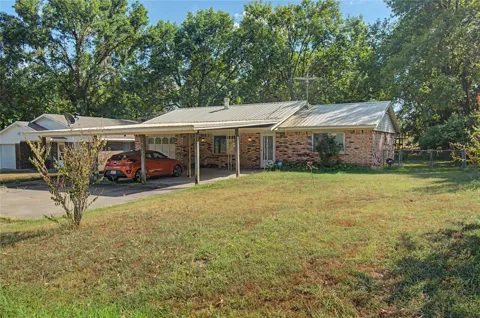
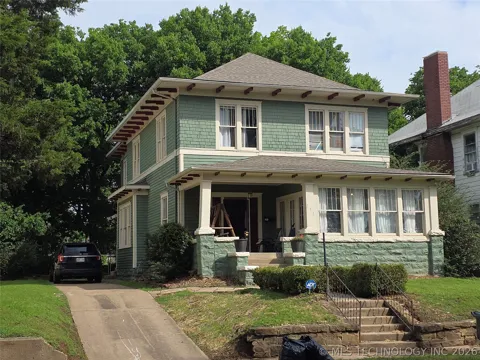
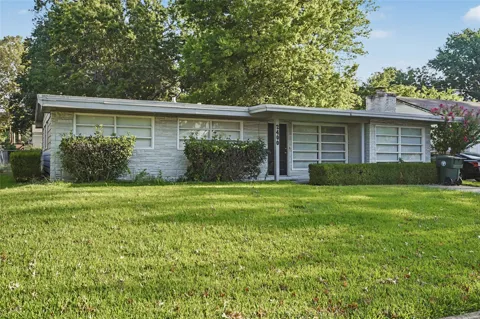
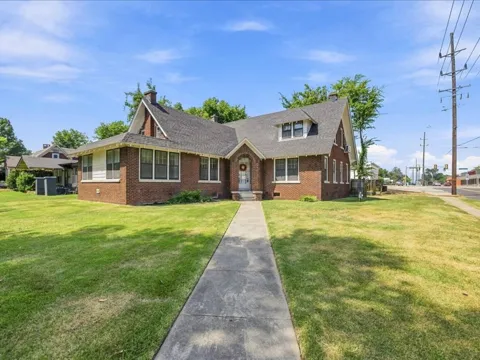
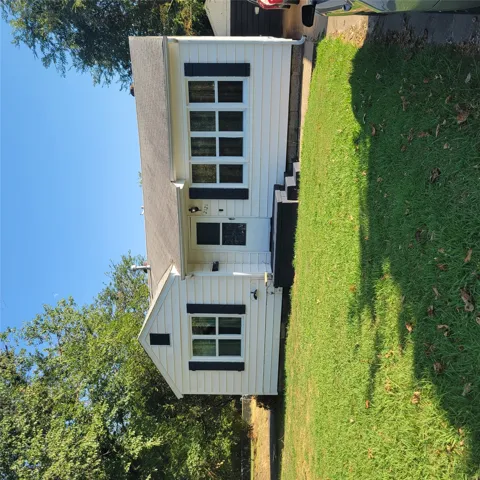
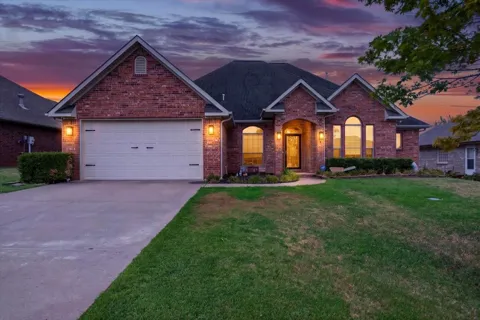
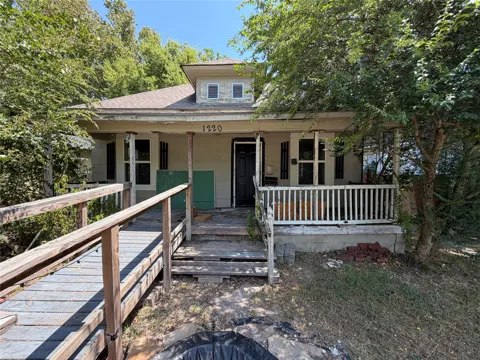
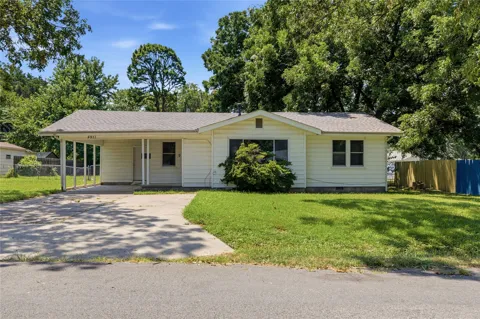
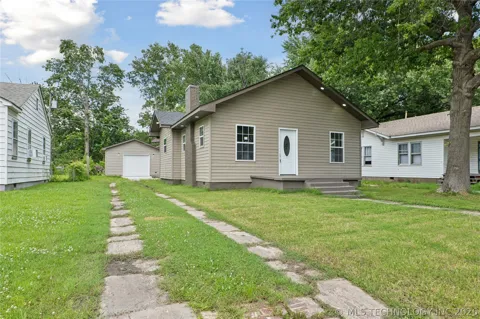
Muskogee's housing market is notable for its affordability, a hallmark the city itself promotes. The stock includes historic homes in the older central neighborhoods, many built during the city's early-twentieth-century boom, alongside mid-century ranches and newer subdivisions on the outskirts. The downtown and surrounding historic districts contain a number of larger, architecturally significant houses, some in need of renovation. Because the cost of living is low by national standards, buyers can find substantial homes and larger lots at accessible price points, appealing to families, first-time buyers, and retirees. The city's status as a regional employment and healthcare center supports steady demand across a range of housing types and price levels.
Neighborhoods
Muskogee is organized around a historic downtown that retains the architecture of its railroad and territorial-era prosperity, with commercial buildings and older residential streets radiating outward. Established neighborhoods from the early twentieth century, some with large homes and mature trees, surround the center, while mid-century and newer subdivisions spread toward the city's edges. Areas near Bacone College and the medical corridor have their own distinct character. The city's layout reflects its history as a regional capital, with grand civic buildings, parks, and tree-lined boulevards alongside more modest working-class blocks. Honor Heights Park, on the city's elevated east side, anchors one of Muskogee's most scenic residential settings.
Lifestyle in Muskogee
Muskogee carries a deep sense of place rooted in rivers, music, and Native American history. The city's identity was shaped by the Muscogee (Creek) Nation and the other Five Civilized Tribes, and that heritage remains visible in its museums, institutions, and community life. Music is another defining thread: Merle Haggard's "Okie from Muskogee" made the town a cultural touchstone, and the Oklahoma Music Hall of Fame keeps that legacy alive alongside the Roxy Theater and a lively local arts scene. The Azalea Festival each spring and the Garden of Lights each winter draw the community to Honor Heights Park. Life is affordable and unhurried, with a mix of small-city amenities, river recreation, and a strong working-class character tied to the port and regional industry.
Schools & Education
Muskogee is served by Muskogee Public Schools, whose teams are known as the Roughers, a nod to the city's rough-and-tumble frontier history. The district operates a network of elementary, middle, and high schools across the city. Higher education is anchored by Bacone College, founded in 1880 as one of Oklahoma's oldest institutions of higher learning with deep Native American roots, and by regional options including a Northeastern State University campus and Connors State College locations nearby. Indian Capital Technology Center provides workforce training. Education has long been a priority in the community, reflected in the breadth of local institutions serving both traditional students and career-focused learners.
Getting Around
Muskogee is a regional transportation hub in eastern Oklahoma. The Muskogee Turnpike connects the city to Tulsa, about forty-eight miles northwest, while U.S. Highways 62, 64, and 69 provide routes in every direction. The Port of Muskogee, part of the McClellan-Kerr Arkansas River Navigation System, makes the city an inland waterway link to the Mississippi River and Gulf Coast ports, supporting freight and industrial activity. Rail lines serve the city's manufacturing and logistics sectors. Regional air service is available at Tulsa International Airport, roughly 45 minutes away, and the city's own Davis Field serves general aviation. The rivers that once made Muskogee a crossroads continue to define its role in regional movement of goods.
Parks & Recreation
Muskogee's recreation centers on Honor Heights Park, a 132-acre park celebrated for its 40 acres of manicured gardens and more than 30,000 azaleas, which anchor the Azalea Festival each spring and the Garden of Lights each winter. The Arkansas River and nearby lakes, including Fort Gibson Lake and Lake Tenkiller, provide boating, fishing, and camping within a short drive. Cultural recreation includes the Five Civilized Tribes Museum, the Oklahoma Music Hall of Fame, the Oklahoma Movie Hall of Fame, the Castle of Muskogee, and the historic Roxy Theater. The city's parks system offers trails, sports facilities, and community centers, and its Green Country setting puts the outdoor recreation of the Illinois River and the Ozark foothills within easy reach.
About Muskogee
Frequently asked questions
What county is Muskogee in?
Muskogee is the county seat of Muskogee County, Oklahoma, located in the eastern part of the state known as Green Country. It sits about forty-eight miles southeast of Tulsa at the confluence of the Arkansas, Verdigris, and Grand rivers.
What is Muskogee known for?
Muskogee is known for its Native American heritage, its famous springtime azalea displays at Honor Heights Park, and the Merle Haggard song "Okie from Muskogee." It is also home to the Oklahoma Music Hall of Fame and a working river port on the Arkansas River.
What does the name Muskogee mean?
The name Muskogee comes from the Muscogee people, commonly known as the Creek Nation, who were among the Five Civilized Tribes relocated to Indian Territory. The city's Native American heritage is preserved at the Five Civilized Tribes Museum and through nearby institutions such as Bacone College.
How far is Muskogee from Tulsa?
Muskogee sits about forty-eight miles southeast of Tulsa, roughly a 45-minute drive, positioning it within easy reach of Oklahoma's second-largest city while maintaining its own distinct identity as a regional center.
What school district serves Muskogee?
Muskogee is served by Muskogee Public Schools, which operates elementary, middle, and high schools for the city. Higher education is available locally through Bacone College, one of Oklahoma's oldest Native American-founded institutions, along with other regional colleges and universities.
What is there to do in Muskogee?
Muskogee offers the Azalea Festival and Garden of Lights at Honor Heights Park, the Five Civilized Tribes Museum, the Oklahoma Music Hall of Fame, the Castle of Muskogee, and the historic Roxy Theater. The Arkansas River and area lakes add boating, fishing, and outdoor recreation.
Still have questions about Muskogee?
Get in touchExplore the area
