
Capital of the Cherokee Nation
Listings in Tahlequah, OK
Welcome to Tahlequah, the Cherokee County seat and capital of the Cherokee Nation, a Green Country college town near the Illinois River and Lake Tenkiller.
Tahlequah is a city in Cherokee County, Oklahoma, in the Green Country region of the state's northeast, near the foothills of the Ozark Mountains. It serves as the county seat and, more notably, as the capital of the Cherokee Nation. The city's population was about 16,300 in the 2020 census. Tahlequah's history is inseparable from Cherokee history. The community was established in 1839 as the capital of the Cherokee Nation in Indian Territory, following the forced removal of the Cherokee people from the American Southeast along the Trail of Tears. In 1843 the Cherokee National Council passed an act incorporating the town, making Tahlequah the oldest municipality in Oklahoma. That heritage remains central to the city today, with the Cherokee Nation's government, institutions, and cultural presence shaping civic life and identity. Education is another pillar of the community. Northeastern State University, the fourth-largest four-year institution in Oklahoma and the second-oldest four-year public institution west of the Mississippi River, has its main campus in Tahlequah, with roughly 6,000 of its approximately 8,000 students enrolled there. The university contributes to the city's economy and to a steady flow of cultural, athletic, and community activity. Tahlequah's setting adds a strong outdoor dimension. The city lies near the Illinois River, a popular destination for float trips and kayaking, and Lake Tenkiller, a major eastern Oklahoma reservoir for boating, fishing, and camping. The surrounding Ozark foothills provide a scenic, forested backdrop. Together, the Cherokee capital heritage, the university, and the rivers-and-lakes setting make Tahlequah a distinctive small city, appealing to those seeking cultural depth, educational opportunity, and outdoor recreation in northeastern Oklahoma.
Get more information about Tahlequah
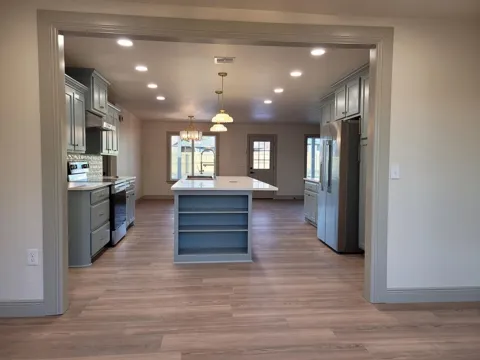
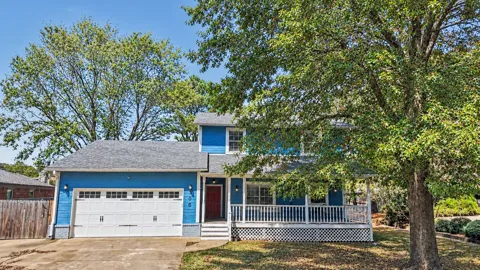
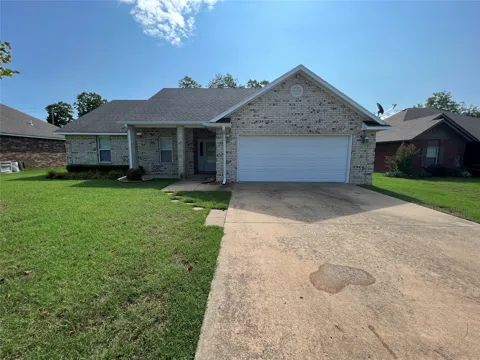
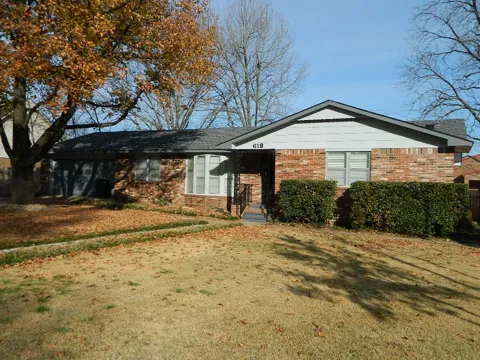
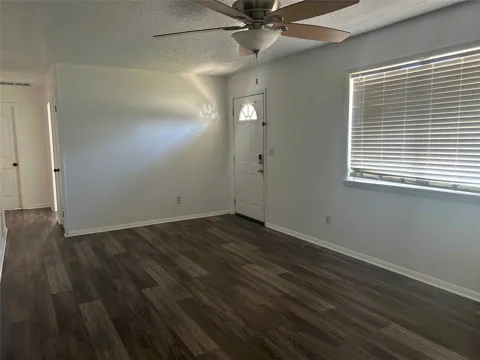
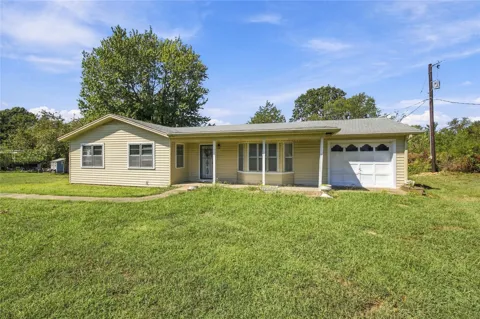
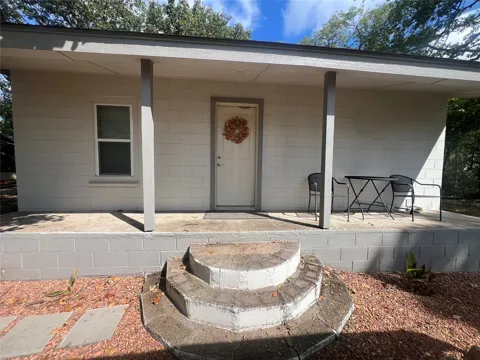
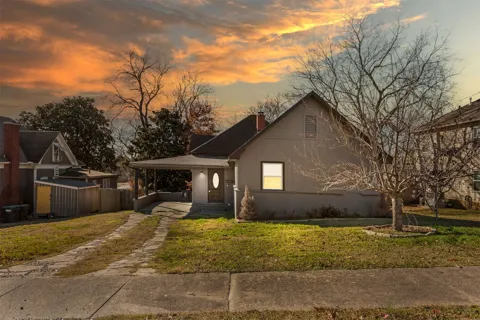
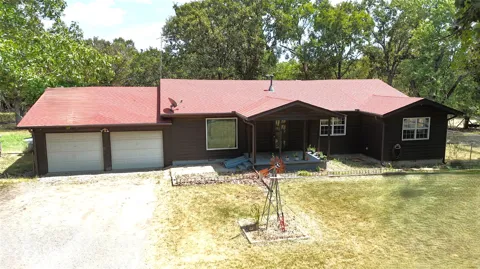
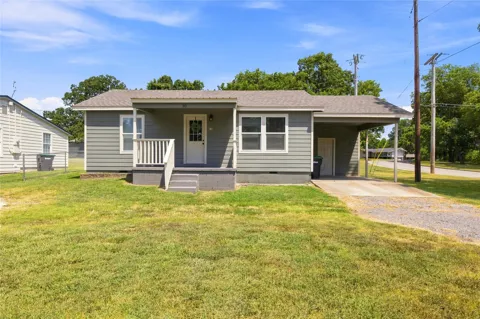
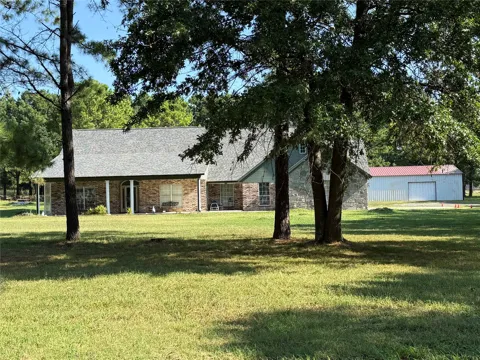
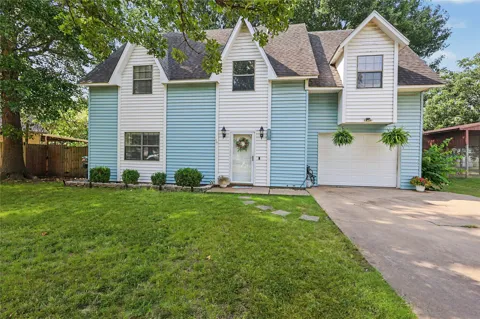
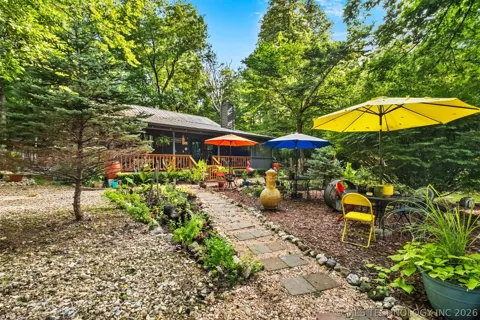
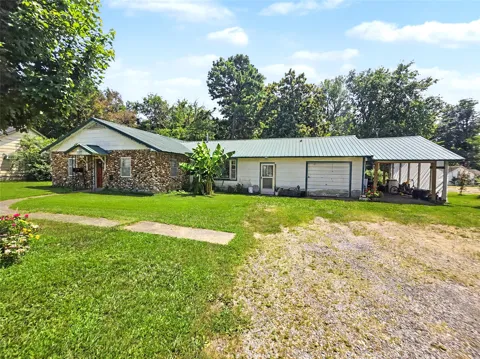
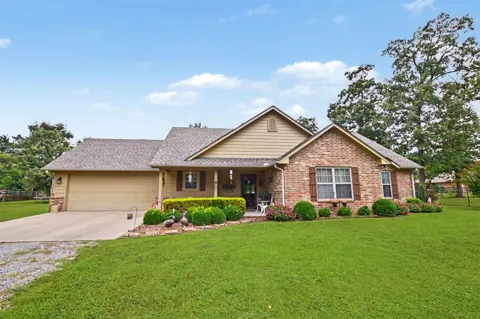
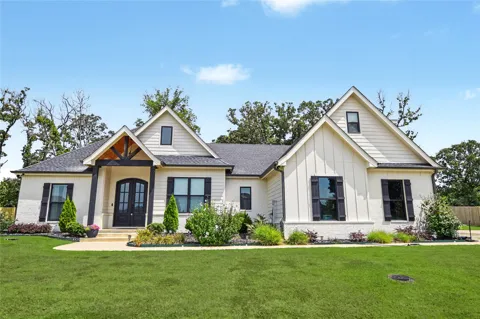
 4 photos
Houses in Tahlequah, OK
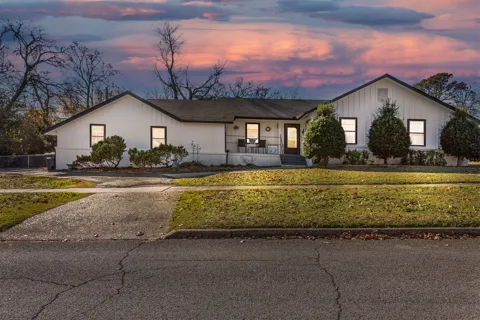
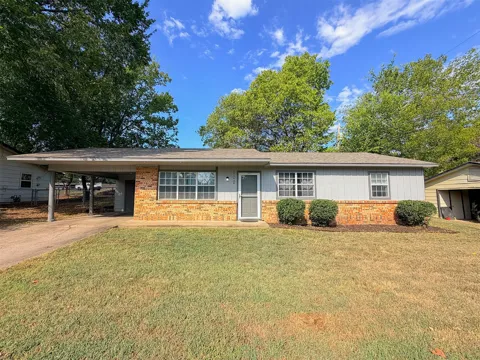
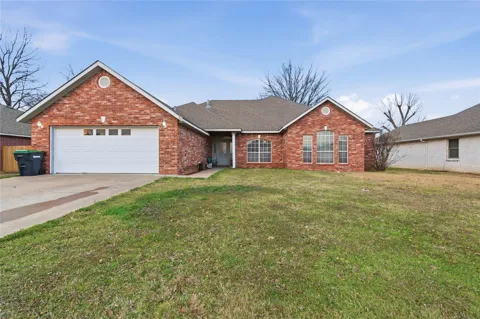
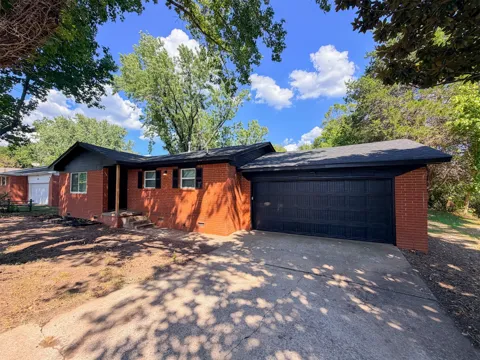
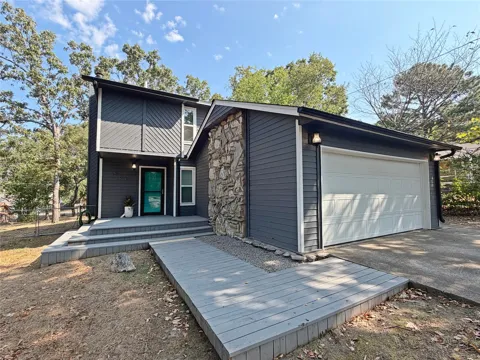
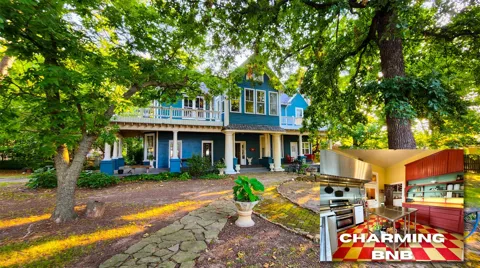

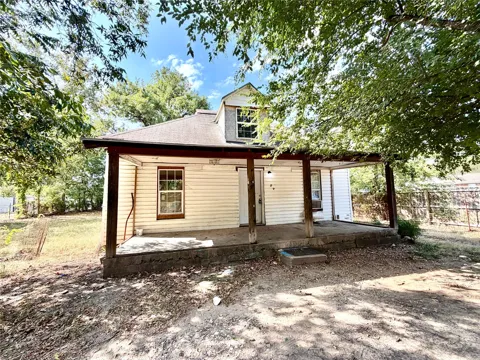
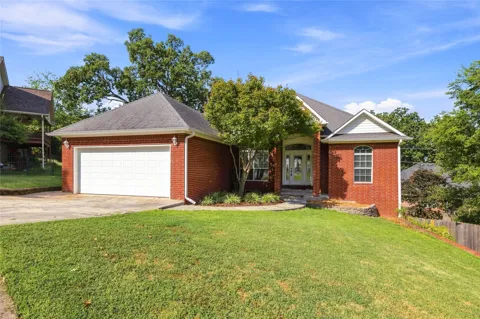
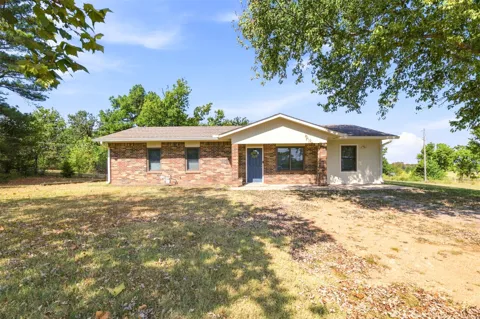
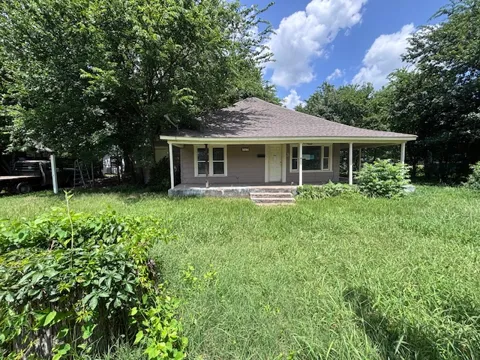
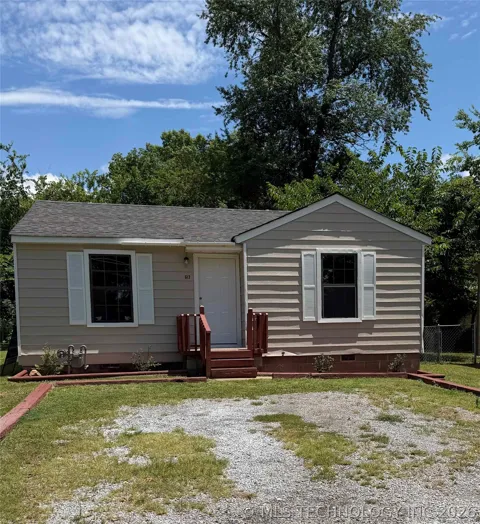
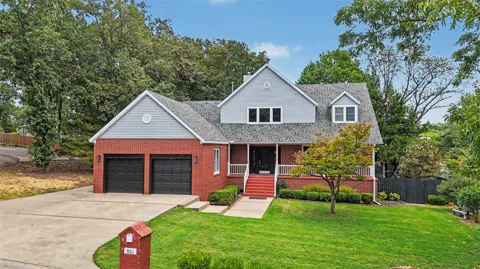
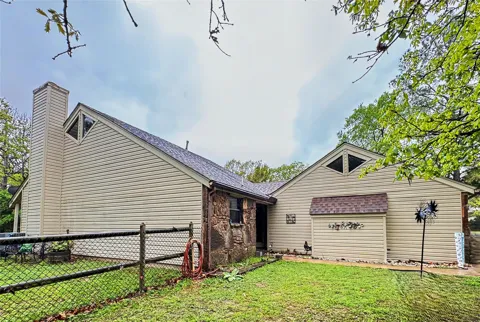
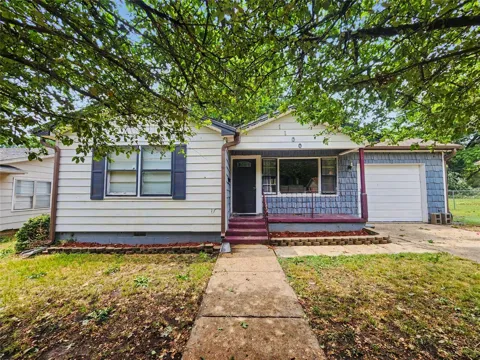
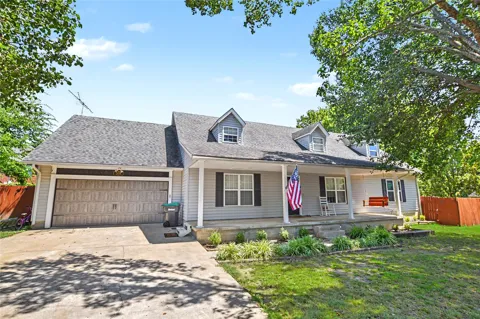
Townhouses & Duplexes in Tahlequah, OK
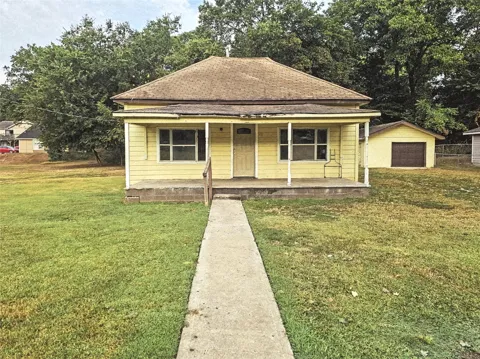
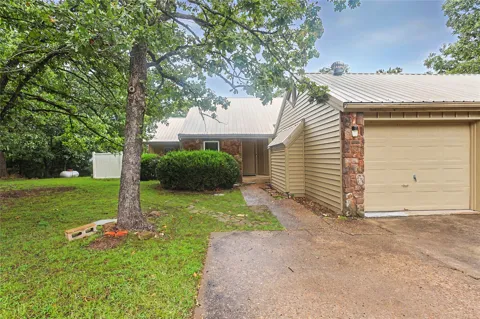
For Rent in Tahlequah, OK
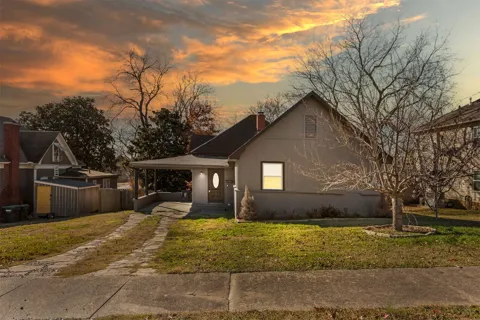
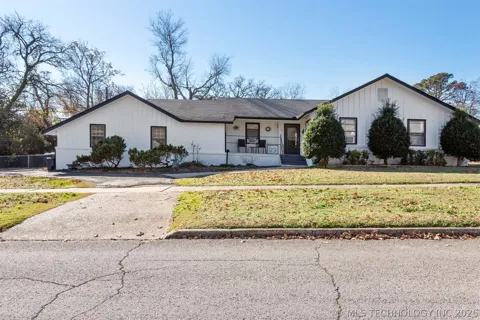
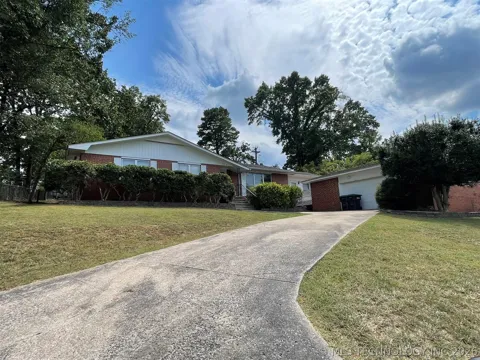
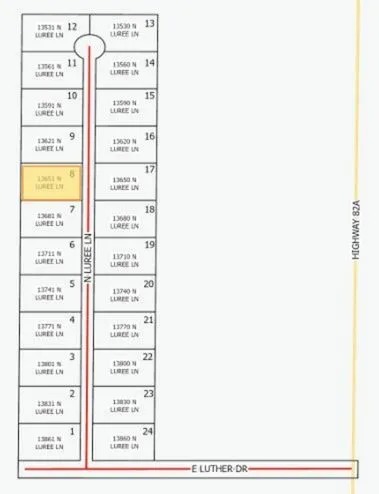
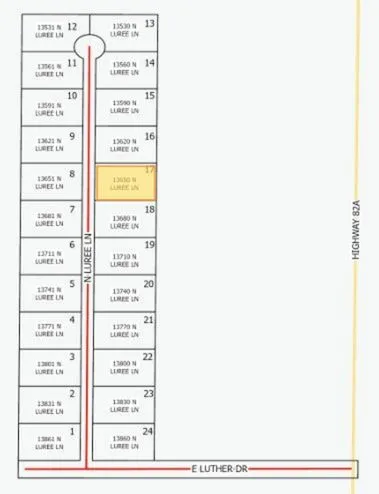
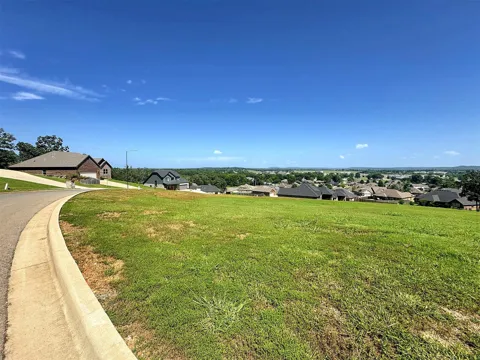
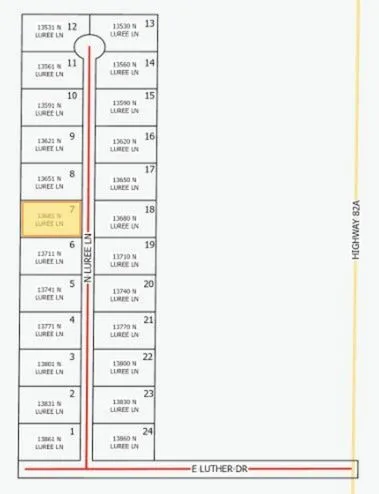
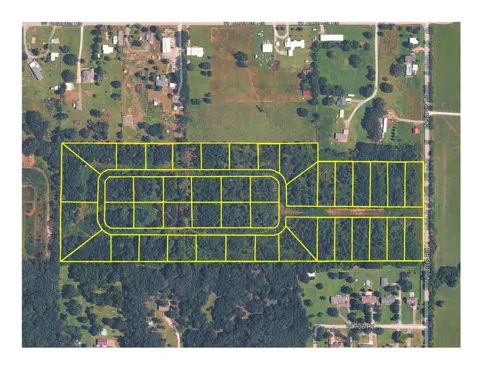
Lots & Land in Tahlequah, OK
MARKET SNAPSHOT
The Market at a Glance
How homes have been selling here over the last 90 days.
Price & Sales History
Market data reflects closed sales over the last 90 days and is provided for informational purposes.
Zip Codes
BROWSE BY ZIP
Browse listings by postal code in this area.
City Guide
About Tahlequah
Real Estate & Housing
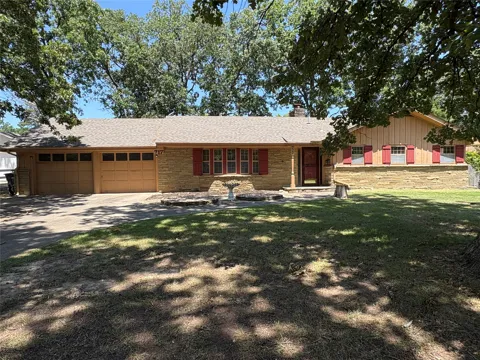
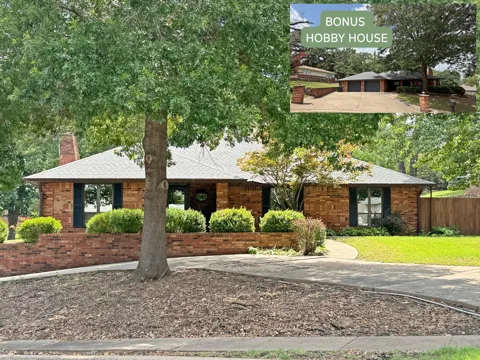
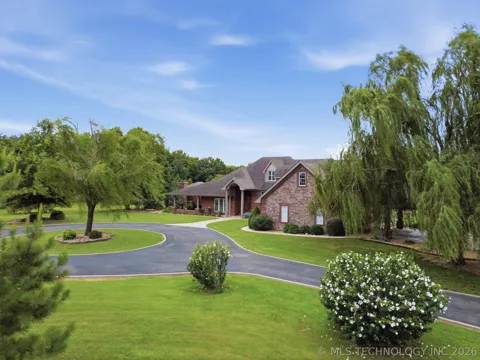
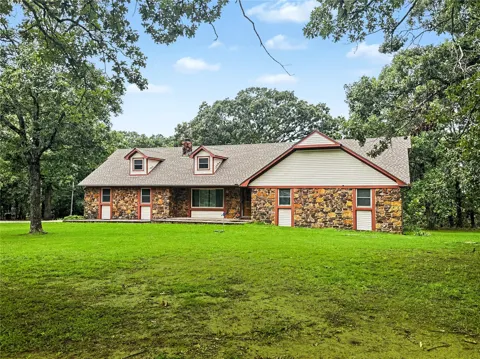
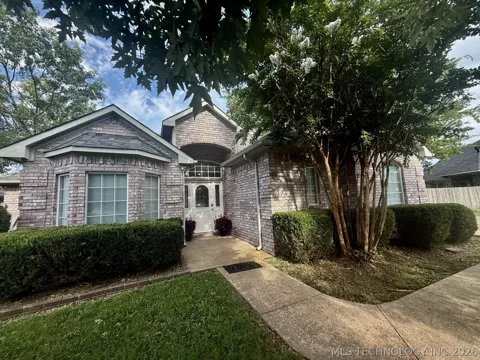
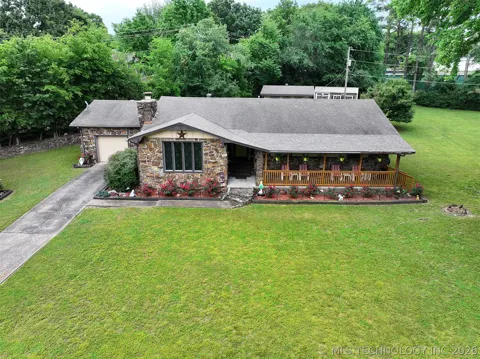
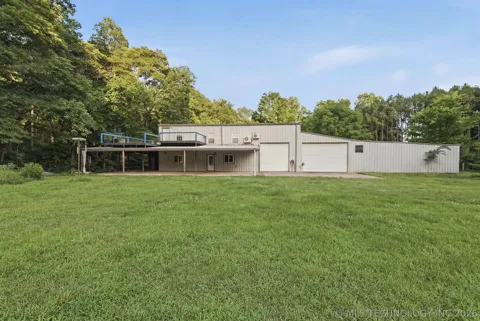
Tahlequah's housing market is shaped by its role as a college town and county seat. The stock includes older, established neighborhoods near downtown and the university, mid-century single-family homes, and newer subdivisions on the city's edges, along with apartment housing serving the student population. Homes are generally affordable compared with state and national averages, and the surrounding Cherokee County countryside offers acreage and rural properties for those seeking more space. Lake Tenkiller and the Illinois River add recreational and vacation-home options in the broader area. The market is stable and practical, oriented toward university employees, tribal and county government, students, and local services rather than rapid growth.
Neighborhoods
Tahlequah is organized around its historic downtown and the Northeastern State University campus, which together anchor the city's civic and social life. Established residential neighborhoods with mature trees surround the downtown, while the areas near the university include student-oriented housing and older faculty neighborhoods. Newer subdivisions have developed on the city's perimeter as it has grown, and the surrounding Cherokee County area offers rural acreage and smaller communities. Because Tahlequah serves as both the county seat and the Cherokee Nation capital, its neighborhoods are intermixed with government, tribal, and educational institutions, giving the city the character of a small capital and college town rather than a conventional suburb.
Lifestyle in Tahlequah
Tahlequah blends a distinct Cherokee cultural identity with the energy of a small college town. The Cherokee Nation's capital status brings tribal institutions, cultural events, and a deep sense of history to daily life, while Northeastern State University adds students, arts, and athletics to the community. Festivals and gatherings run year-round, and the nearby Illinois River and Lake Tenkiller make outdoor recreation a routine part of local life. The pace is relaxed and friendly, with a cost of living well below national norms. Tahlequah appeals to those drawn to Native American heritage, higher education, and Green Country's rivers and lakes, all within a small northeastern Oklahoma city.
Schools & Education
Public K-12 education in Tahlequah is provided by Tahlequah Public Schools, which operates elementary, middle, and high schools, including Tahlequah High School. The city is also home to Northeastern State University, the fourth-largest four-year institution in Oklahoma, whose main campus enrolls the majority of its roughly 8,000 students. This means Tahlequah offers a full educational pathway from early grades through a four-year university within a single community—an uncommon arrangement for a small city. The university's presence also brings cultural programs, athletics, and a substantial student and faculty population that enrich the local school-age community.
Getting Around
Tahlequah is reached via U.S. Highway 62 and State Highway 51, which connect it to the larger Green Country and Tulsa regions to the northwest. The city sits in northeastern Oklahoma's hill country, and daily travel is car-dependent, with the surrounding rural areas and the Illinois River and Lake Tenkiller reached primarily by road. While Tahlequah is not on an interstate, its role as the Cherokee County seat and Cherokee Nation capital makes it a regional destination for government, education, and tourism. The nearest major urban center and airport access lie in the Tulsa area, within driving distance to the northwest.
Parks & Recreation
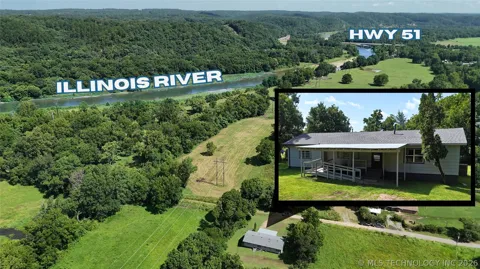
Recreation in Tahlequah centers on the Illinois River and Lake Tenkiller. The Illinois River is among Oklahoma's best-known float-trip and paddling destinations, drawing visitors for canoeing, kayaking, and tubing, while Lake Tenkiller offers boating, fishing, swimming, and camping on a clear, deep reservoir. The Ozark foothills around the city provide hiking and scenic drives, and the Green Country landscape supports hunting and other outdoor pursuits. Local parks and the university's athletic and cultural events round out everyday recreation. For residents, the combination of a celebrated river, a major lake, and forested hills gives Tahlequah year-round outdoor opportunities unusual for a city of its size.
About Tahlequah
Frequently asked questions
What county is Tahlequah in?
Tahlequah is located in Cherokee County, Oklahoma, in the Green Country region of the state's northeast, near the foothills of the Ozark Mountains. It serves as the county seat and is also the capital of the Cherokee Nation.
What is Tahlequah known for?
Tahlequah is best known as the capital of the Cherokee Nation, a role it has held since 1839, when the community was established as the nation's capital in Indian Territory after the Trail of Tears. It is also the oldest municipality in Oklahoma, incorporated by the Cherokee National Council in 1843.
What university is in Tahlequah?
Tahlequah is home to Northeastern State University, one of the largest four-year institutions in Oklahoma and the second-oldest four-year public institution west of the Mississippi River. The university's main campus in Tahlequah enrolls a substantial share of its roughly 8,000 students.
What outdoor recreation is near Tahlequah?
Tahlequah sits near the Illinois River, popular for float trips, kayaking, and fishing, and Lake Tenkiller, a major recreational reservoir in eastern Oklahoma. The surrounding Ozark foothills add hiking and outdoor recreation close to the city.
How large is Tahlequah and where is it?
Tahlequah's population was about 16,300 in the 2020 census, and it functions as the hub of Cherokee County. It sits in northeastern Oklahoma, roughly southeast of Tulsa, within the Green Country region.
Still have questions about Tahlequah?
Get in touchExplore the area
