
Western Tulsa Suburb
Listings in Sand Springs, OK
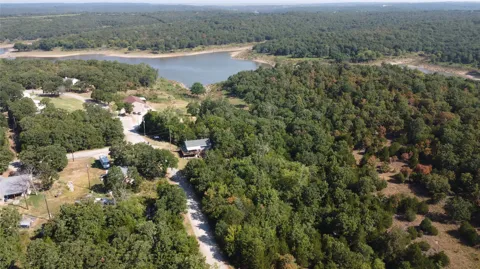
Welcome to Sand Springs, a western Tulsa suburb founded by oilman Charles Page, set along the Arkansas River with Keystone Lake and the Keystone Ancient Forest at its doorstep.
Sand Springs is a city in northeastern Oklahoma, lying predominantly in Tulsa County with portions extending into Osage and Creek counties, and functioning as a western suburb of Tulsa along the Arkansas River. Its history is unusual among Oklahoma towns: the site was settled in 1833 by Creek Indians, who knew it as Adams Springs, before oilman Charles Page purchased 160 acres in 1908 and renamed it Sand Springs. Page built the Sand Springs Home, a residential institution for widows and orphans, and shaped the community as a deliberately planned, philanthropic town. That founding vision still colors the city's identity. Sand Springs remains a family-oriented community of roughly 20,000 people, with a compact downtown and older residential neighborhoods near the river, the family-oriented Prattville district across the Arkansas River, and newer subdivisions spreading west toward Keystone Lake. Keystone Lake, a large reservoir, and the Keystone Ancient Forest, a preserved cross-timbers woodland with centuries-old cedars and oaks, give the city an unusually rich natural setting on its western edge. The local economy is a mix of manufacturing, retail, and services, but Sand Springs functions largely as a residential suburb, with many residents commuting to Tulsa, about 14 miles east along U.S. Route 412. The highway, known locally as the Sand Springs Expressway and, farther west, the Keystone Expressway, makes downtown Tulsa reachable in about 20 minutes. Sand Springs is served by its own school district, Sand Springs Public Schools, anchored by Charles Page High School, named for the founder. Recreation centers on Keystone Lake's boating and fishing, the trails of the Keystone Ancient Forest, and community traditions such as the annual Herbal Affair festival. The city suits families and commuters seeking an affordable, established suburb with lake access and a strong sense of local history. Its combination of river, lake, forest, and quick freeway access to Tulsa gives Sand Springs a balance of small-town character and metropolitan convenience.
Get more information about Sand Springs
 2 photos
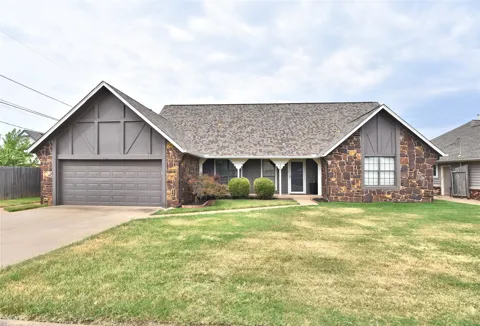
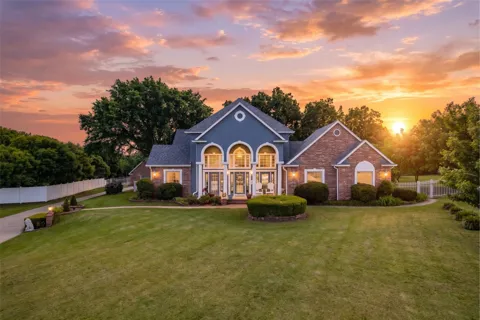
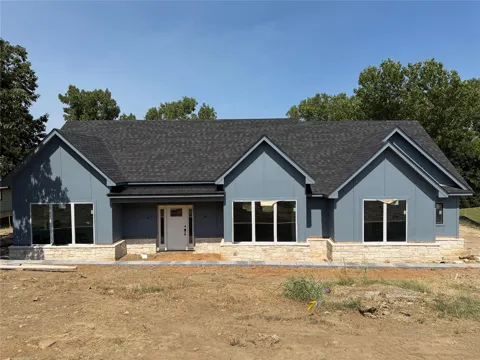
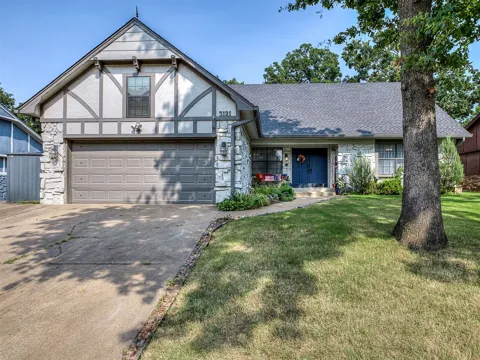
Houses in Sand Springs, OK
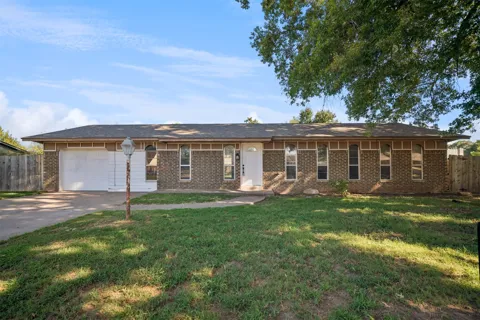
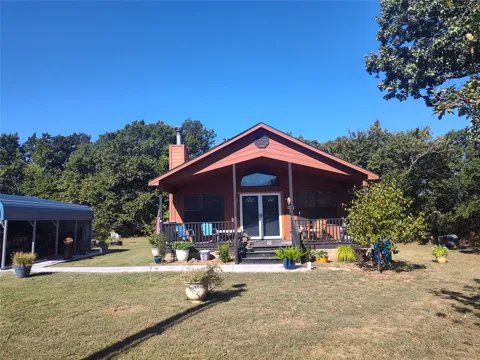
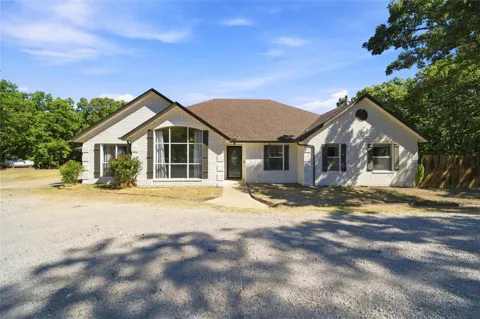
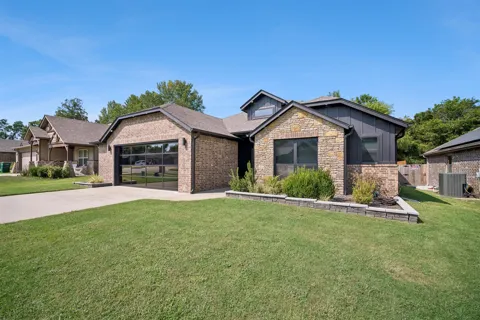
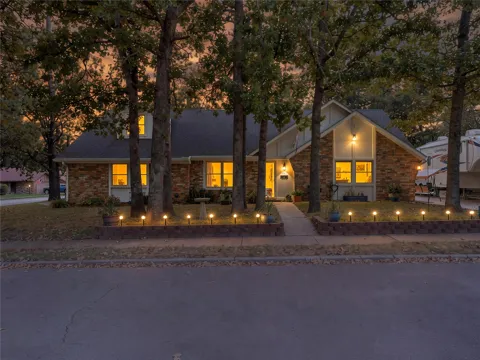
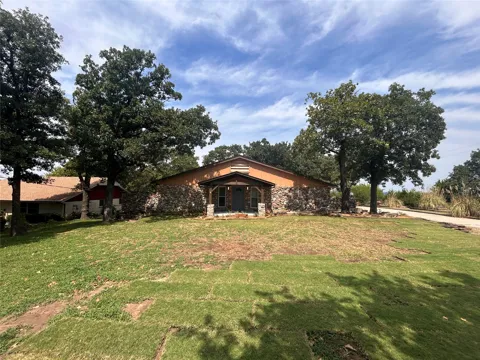
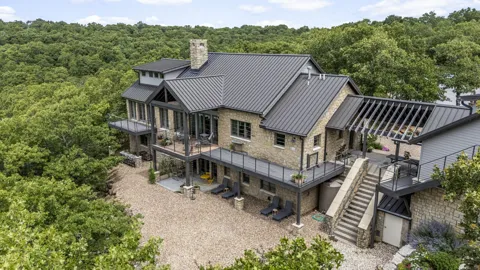
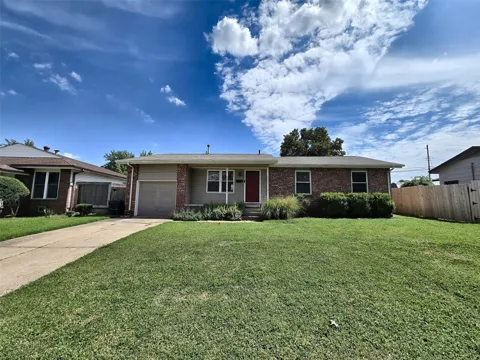
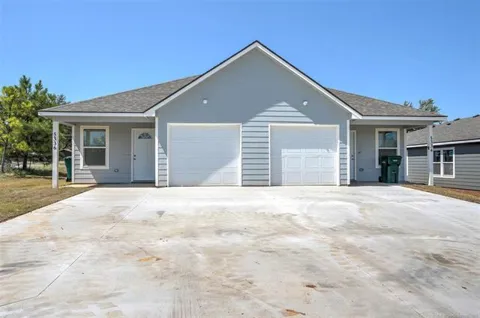
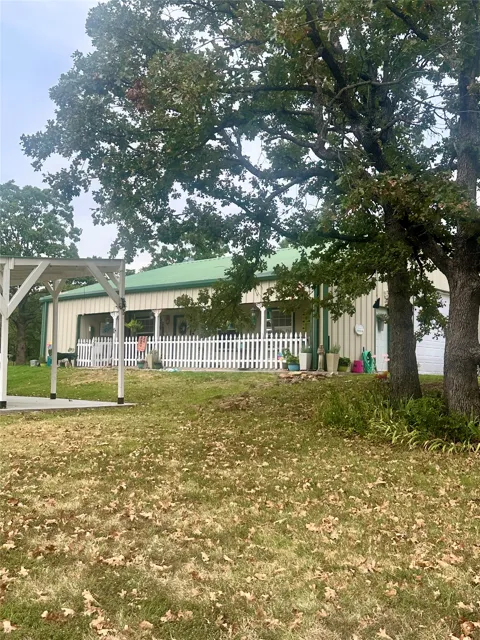
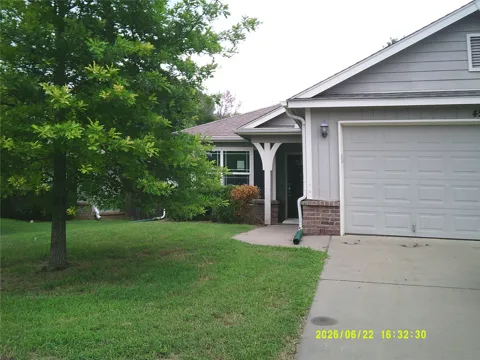
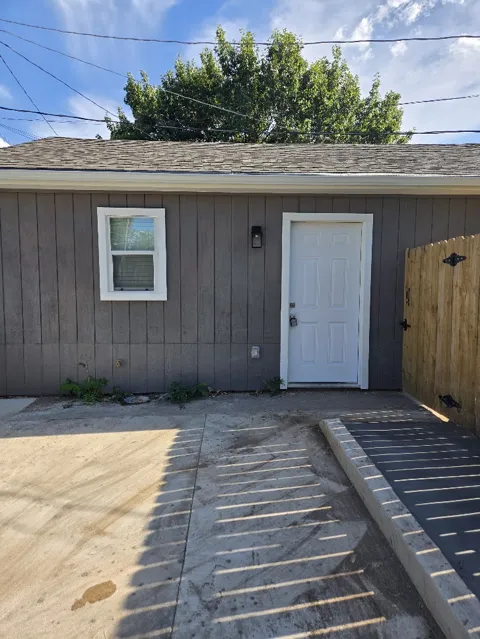
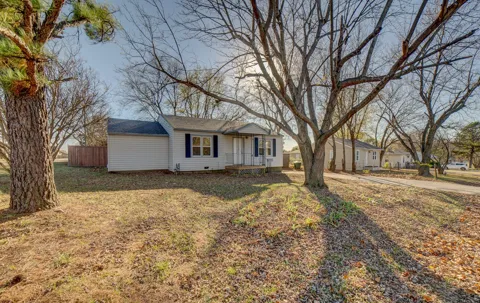
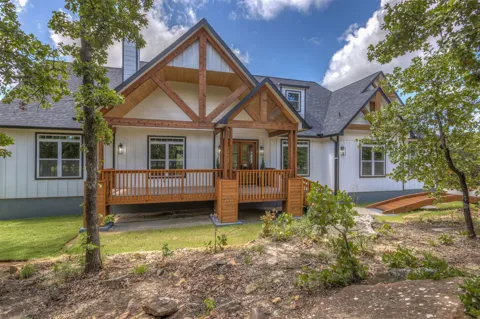
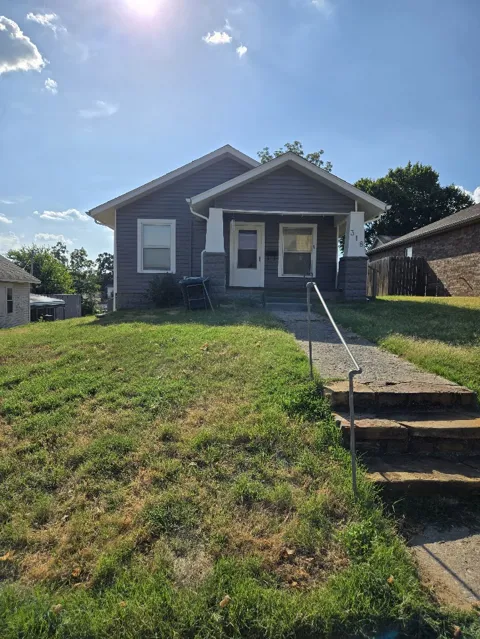
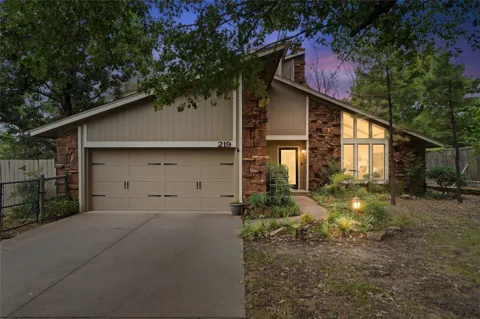
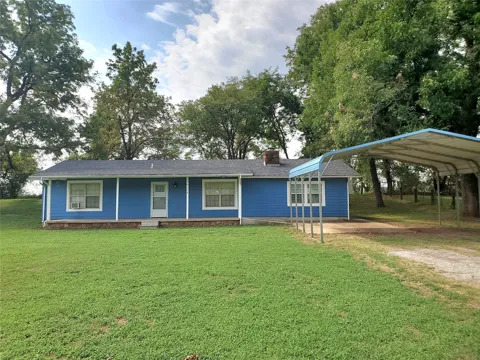
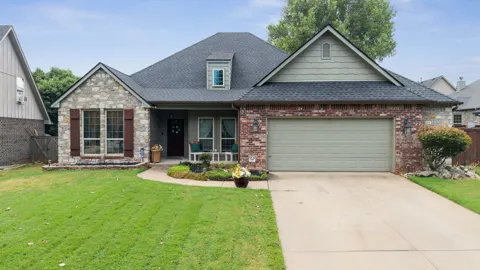
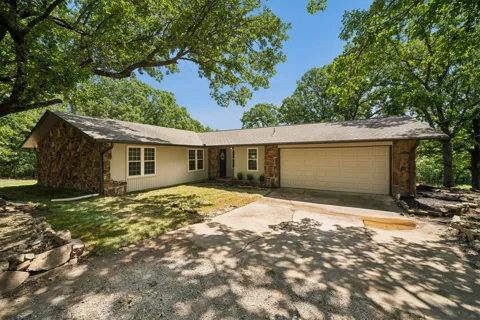
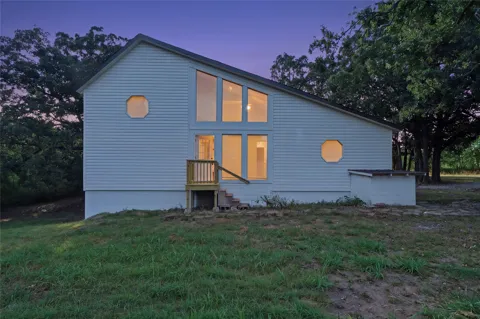
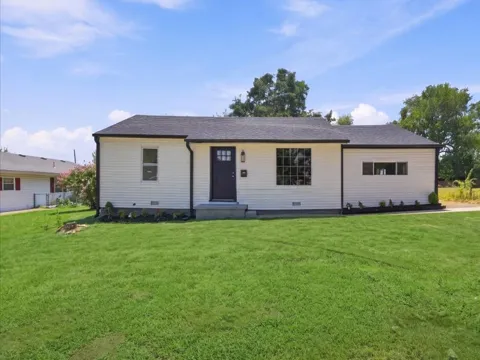
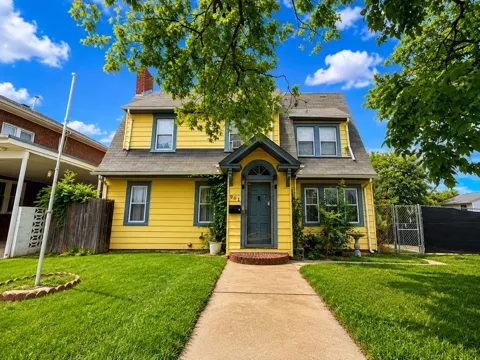
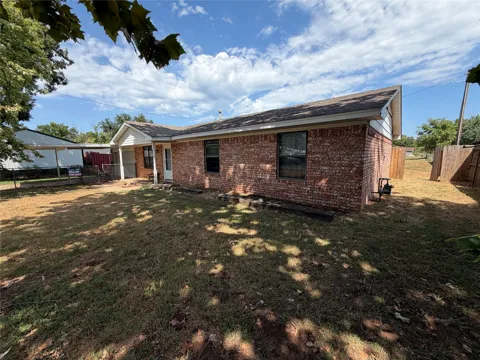
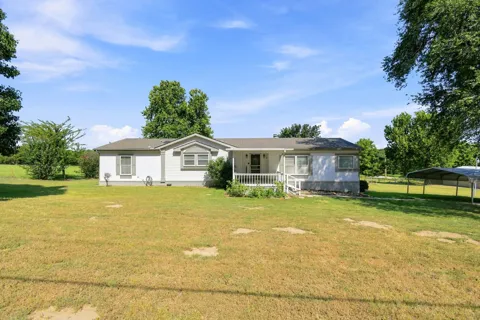
For Rent in Sand Springs, OK
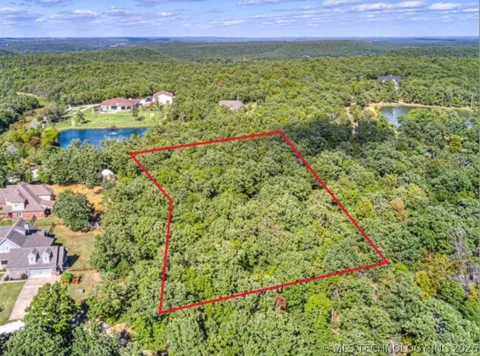
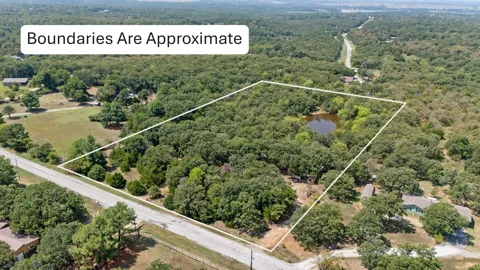
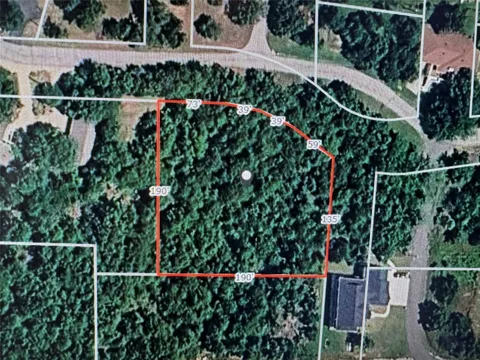
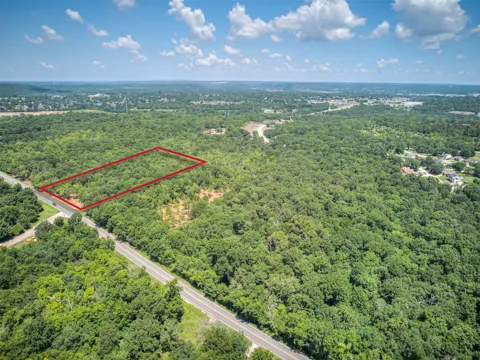
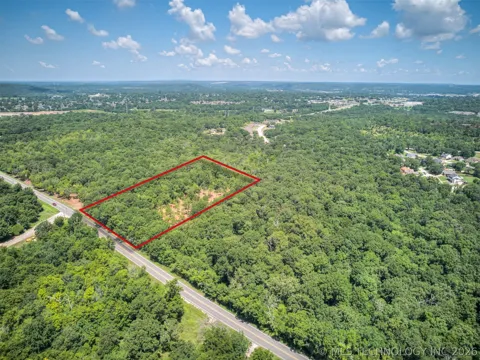
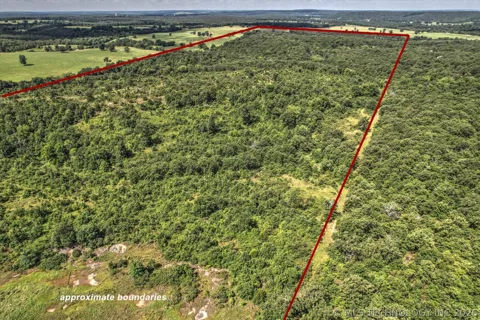
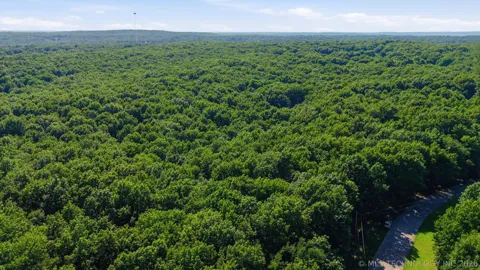
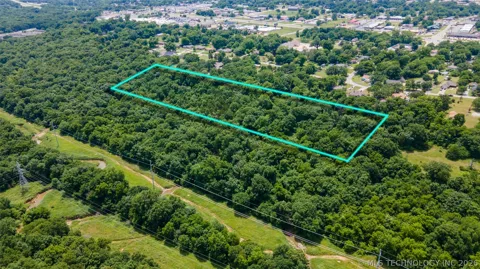
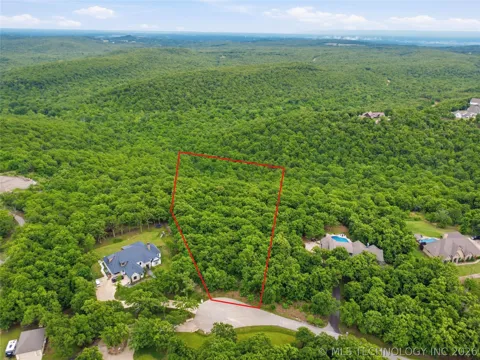
Lots & Land in Sand Springs, OK

MARKET SNAPSHOT
The Market at a Glance
How homes have been selling here over the last 90 days.
Price & Sales History
Market data reflects closed sales over the last 90 days and is provided for informational purposes.
Zip Codes
BROWSE BY ZIP
Browse listings by postal code in this area.
City Guide
About Sand Springs
Real Estate & Housing
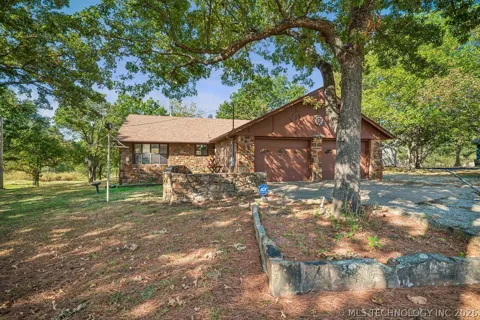
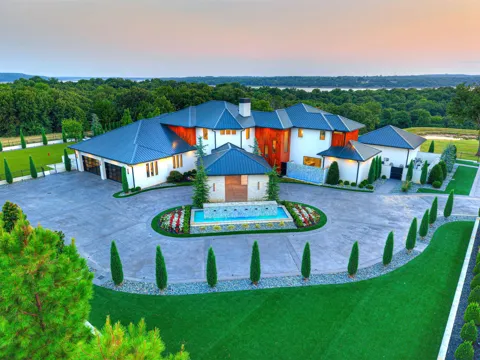
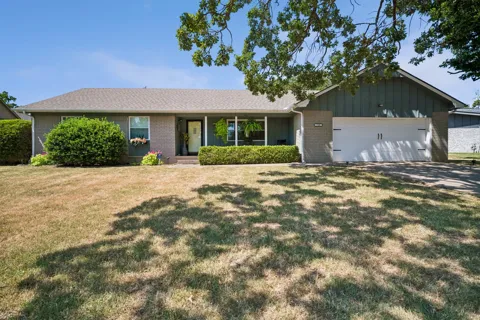
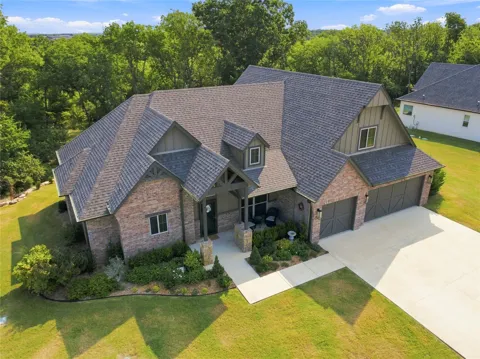
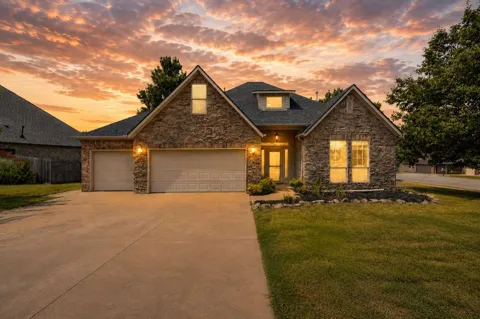
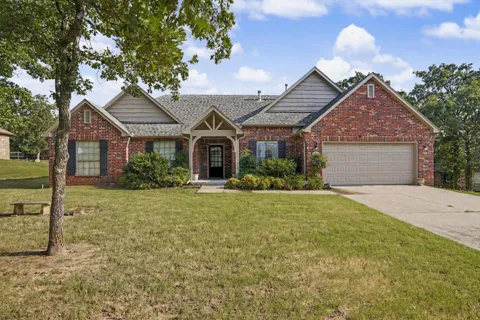
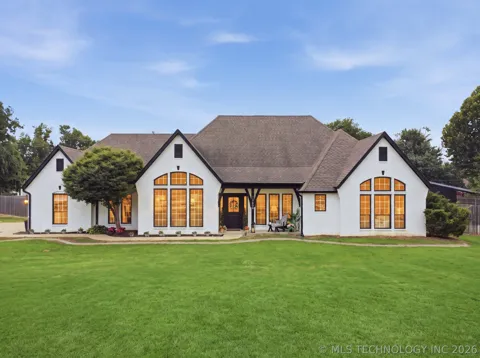
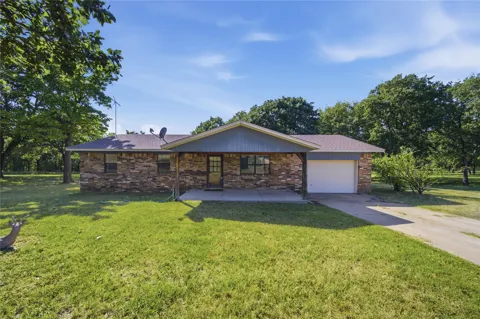
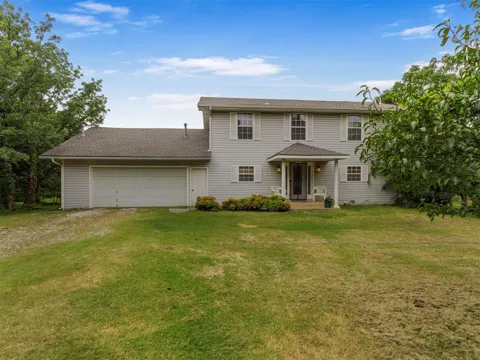
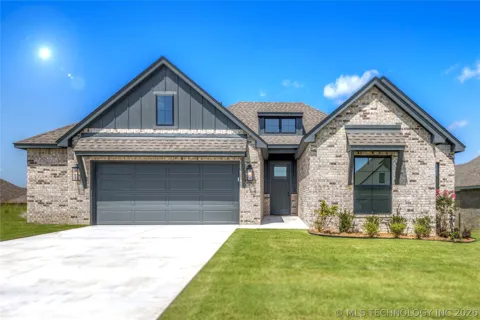
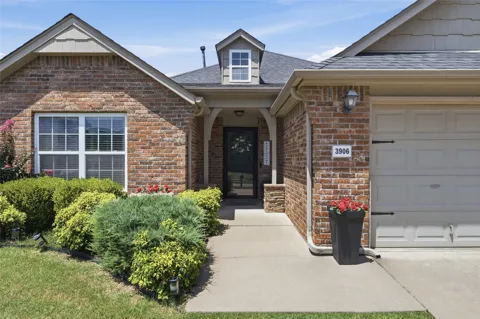
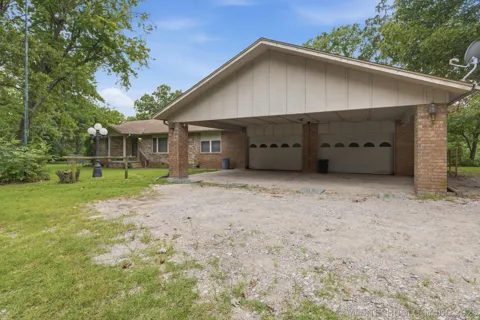
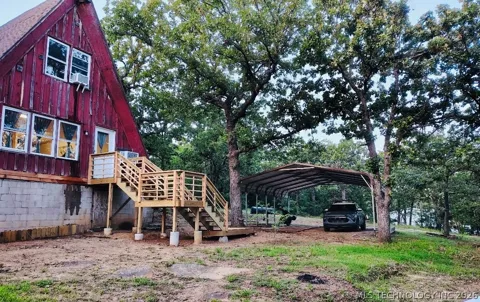
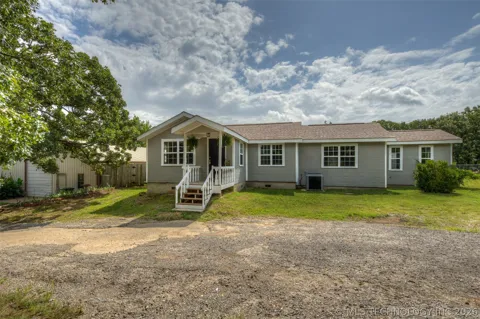
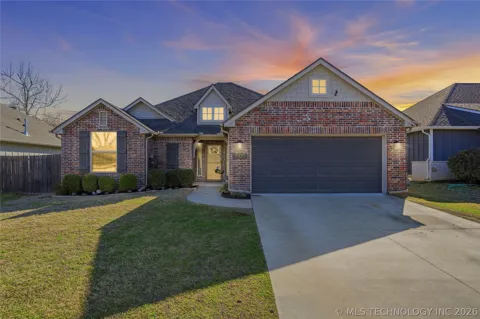
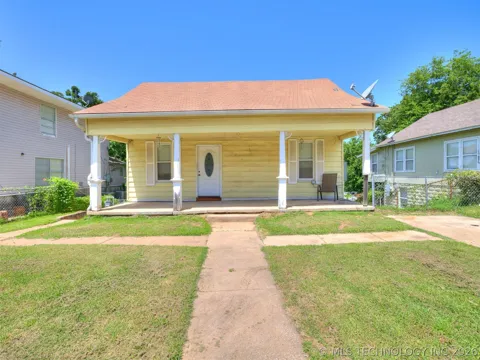
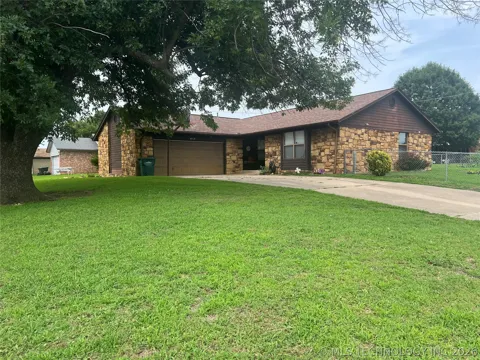
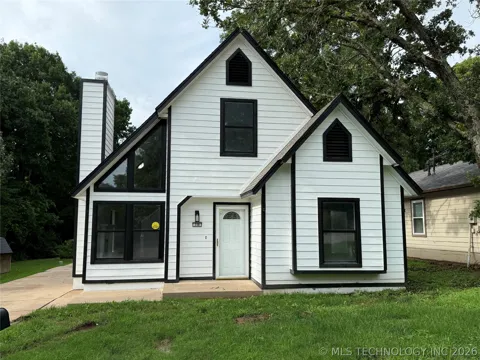
Sand Springs offers a broad mix of housing tied to its century-long development. Older bungalows, cottages, and starter homes cluster in the central neighborhoods and near downtown, many dating from the early and mid-twentieth century, while larger, newer single-family subdivisions spread across the city's west side toward Keystone Lake. The Prattville area south of the Arkansas River features medium-sized single-family homes in a family-oriented setting. Overall, the market skews toward owner-occupied, single-family housing at price points below the national average, appealing to first-time buyers, move-up families, and commuters seeking value within reach of Tulsa.
Neighborhoods
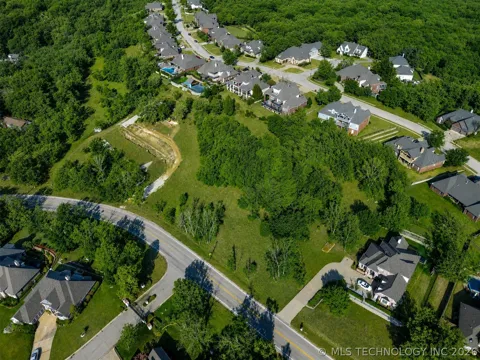
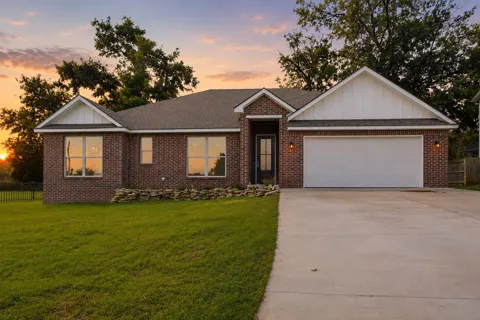
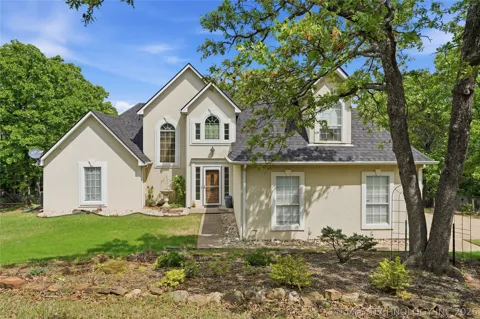
Sand Springs' central neighborhoods preserve the scale and character of Charles Page's planned community, with modest early-to-mid-century homes near downtown and the Arkansas River. Prattville, south of the river and annexed in the 1960s, is a quiet, family-oriented residential district of medium-sized single-family homes, with early subdivisions such as Skyview dating to 1946. Newer subdivisions have expanded on the city's western and southern edges, where larger homes and cul-de-sac layouts predominate. Toward Keystone Lake, lakeside and near-lake properties add a recreational dimension, attracting buyers who want water access within the city's orbit.
Lifestyle in Sand Springs
Sand Springs combines small-town familiarity with easy metropolitan access. Community life centers on schools, churches, city parks, and longstanding traditions such as the annual Herbal Affair festival, which draws visitors to the historic downtown. The Arkansas River and Keystone Lake support a boating and fishing culture, while the Keystone Ancient Forest offers quiet woodland hiking. Residents value the town's affordability and neighborly pace, and downtown Tulsa's dining, arts, and entertainment are a short drive away. The result is a lifestyle that appeals to families, outdoor enthusiasts, and commuters alike.
Schools & Education
Sand Springs is served by Sand Springs Public Schools, an independent district whose campuses include Charles Page High School, named for the city's founder. The district serves the city and surrounding portions of the Sand Springs area, with elementary, middle, and high school programs concentrated in town. Families also have access to private options and to higher education in nearby Tulsa, including several universities and technical colleges. The district's local, community-based scale distinguishes it from the much larger Tulsa system next door and keeps schools closely tied to the neighborhoods they serve.
Getting Around
U.S. Route 412 is Sand Springs' principal corridor, running east into downtown Tulsa about 14 miles away as the Sand Springs Expressway and continuing west as the Keystone Expressway toward Keystone Lake and points beyond. State Highway 97 provides a north-south route through the city. The freeway connection keeps Tulsa's employment, medical, and cultural centers within roughly a 20-minute drive, while the city's position on the western edge of the Tulsa metro also offers access to recreational destinations along Keystone Lake. Most residents rely on private vehicles, consistent with the area's suburban, single-family character.
Parks & Recreation
Keystone Lake, a large reservoir on the city's western edge, anchors outdoor recreation with boating, fishing, camping, and shoreline parks. The Keystone Ancient Forest preserves a rare cross-timbers woodland, where hiking trails pass 500-year-old cedars and 300-year-old oaks. The Arkansas River adds a waterway for fishing and riverside activity, while the city's municipal parks provide playgrounds, sports facilities, and green space. Community events such as the annual Herbal Affair festival bring residents together in the historic downtown, rounding out a recreation scene built around water, woods, and local tradition.
About Sand Springs
Frequently asked questions
What county is Sand Springs in?
Sand Springs is located predominantly in Tulsa County, Oklahoma, with portions of the city extending into Osage and Creek counties. It lies along the Arkansas River, just west of Tulsa.
Who founded Sand Springs?
Sand Springs was founded by oilman Charles Page, who purchased 160 acres at the site in 1908 and renamed it from its earlier Creek name, Adams Springs. Page built the Sand Springs Home for widows and orphans and planned the community around it.
How far is Sand Springs from Tulsa?
Sand Springs is about 14 miles west of downtown Tulsa. The drive typically takes roughly 20 minutes along U.S. Route 412, known locally as the Sand Springs Expressway between the two cities.
What is the Keystone Ancient Forest?
The Keystone Ancient Forest is a nature preserve near Sand Springs that protects a rare cross-timbers woodland, with hiking trails passing 500-year-old cedars and 300-year-old oaks. It sits near Keystone Lake, the reservoir that anchors area recreation.
What school district serves Sand Springs?
Sand Springs is served by Sand Springs Public Schools, an independent district whose campuses include Charles Page High School, named for the city's founder. The district serves the city and surrounding area.
What is there to do in Sand Springs?
Residents enjoy boating, fishing, and camping at Keystone Lake, hiking in the Keystone Ancient Forest, and city parks along the Arkansas River. The annual Herbal Affair festival brings visitors to the historic downtown each year.
Still have questions about Sand Springs?
Get in touchExplore the area
