
Choctaw County Seat
Listings in Atoka, OK
Welcome to Atoka, the Choctaw Nation-rooted county seat of southeastern Oklahoma, set among lakes, the Kiamichi hills, and the Katy railroad corridor.
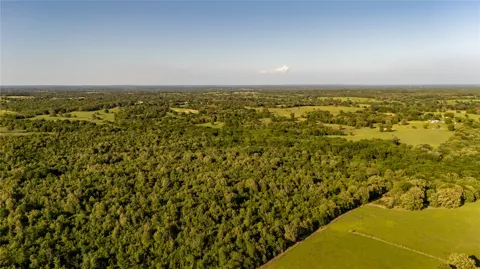
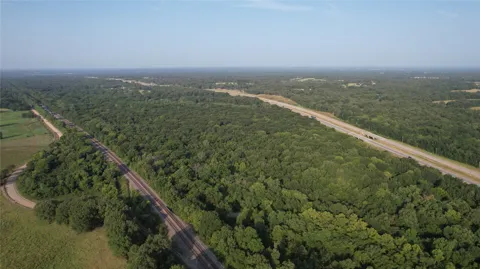
Atoka is a city in southeastern Oklahoma and the seat of Atoka County, in the rolling, timbered country that transitions from the Red River plains into the Kiamichi hills. It lies along U.S. Highway 69, a major north–south corridor connecting Texas with eastern Oklahoma and beyond, and at the crossroads of State Highway 3. The surrounding region is marked by lakes, forested hills, and a strong Choctaw cultural presence that reaches back well before statehood. The city's name honors Atoka, a Choctaw chief, and the county itself was formed from Choctaw lands before Oklahoma became a state. Atoka's modern development began in earnest in 1872, when the Missouri, Kansas and Texas Railway—the Katy—laid track through the Choctaw Nation and bypassed the older settlement of Boggy Depot. Businesses quickly relocated to the new railroad town, establishing Atoka as the region's commercial and, later, governmental center. Today Atoka is home to about 3,200 people and serves as the county's hub for government, commerce, healthcare, and education. Students attend Atoka Public Schools, and the city hosts a branch of the Kiamichi Technology Center, which provides career and technical training for the wider area. The local economy blends retail, services, agriculture, and the growing outdoor-recreation sector. The city's greatest natural assets are its lakes and parks. Atoka Lake, a 5,900-acre reservoir with 59 miles of shoreline, offers boating and fishing just outside town, while McGee Creek State Park and the McGee Creek Reservoir and Natural Scenic Recreation Area lie nearby, providing camping, hiking, and some of the clearest waters in the state. For buyers and residents, Atoka offers an affordable small-town lifestyle with deep regional history and exceptional access to southeastern Oklahoma's outdoors.
Get more information about Atoka
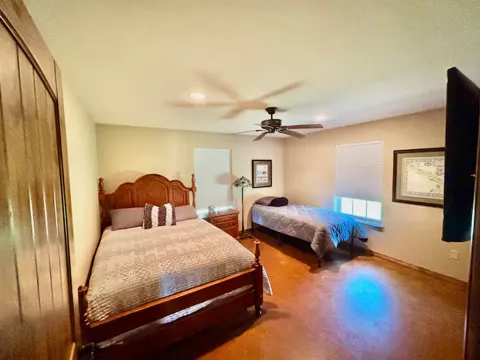
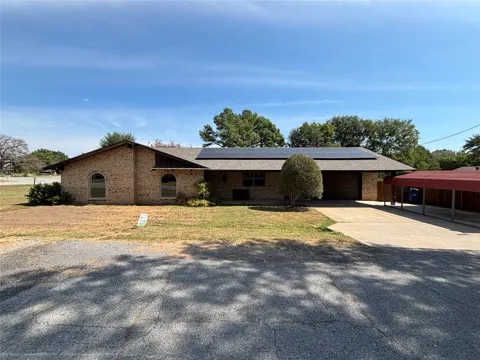
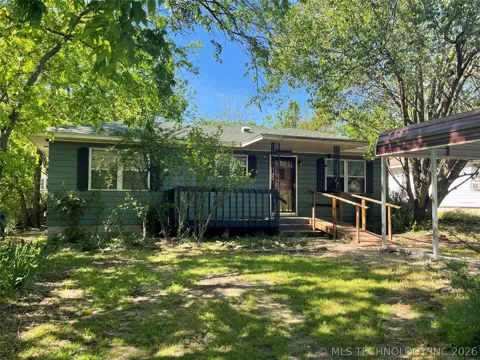
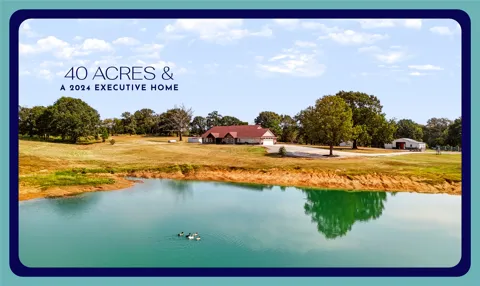
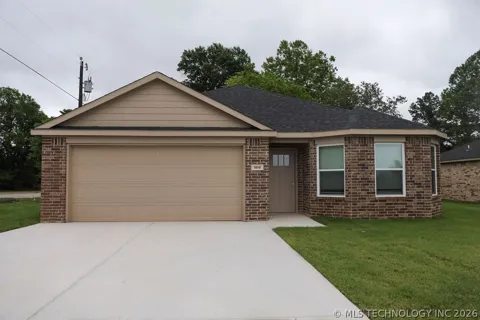
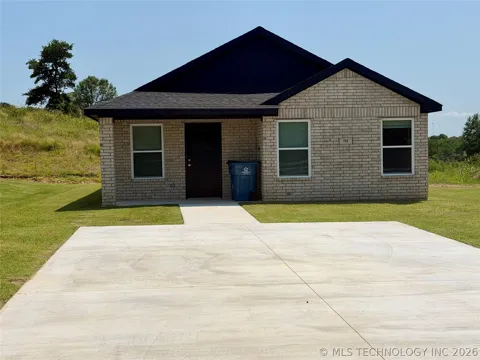
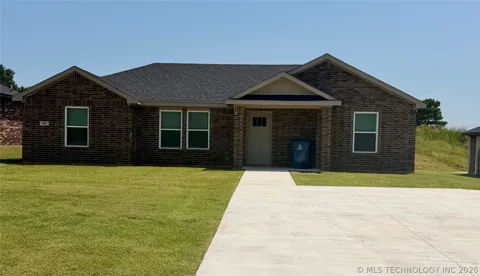
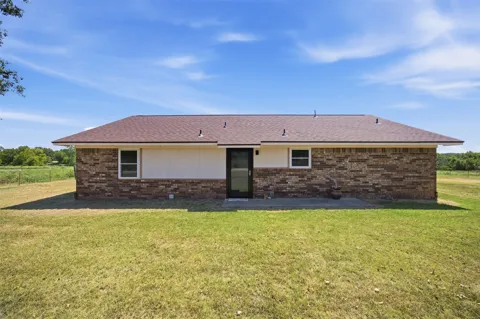
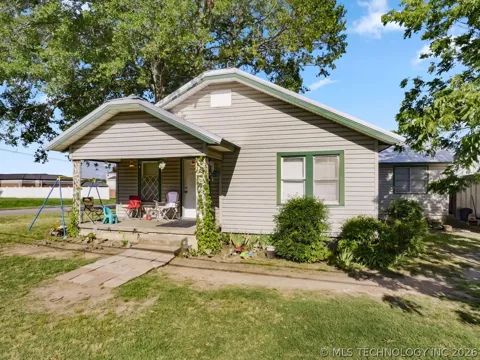
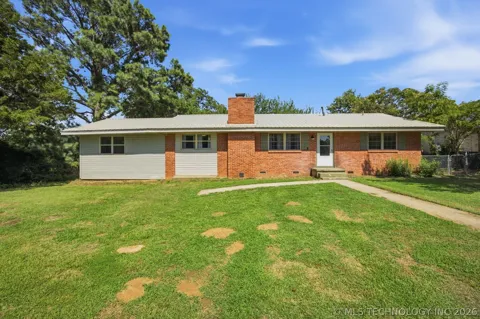
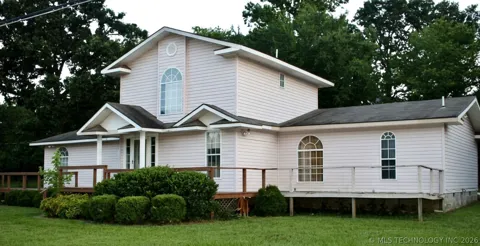
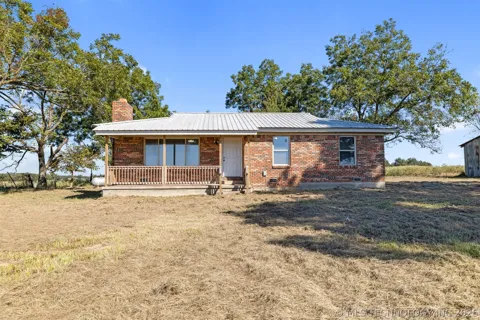
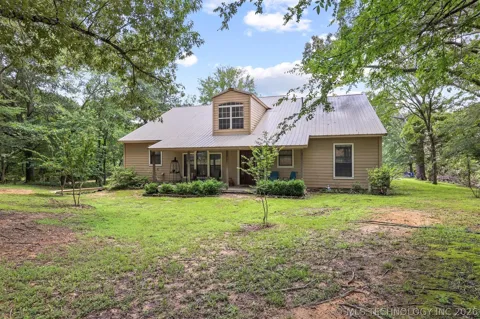
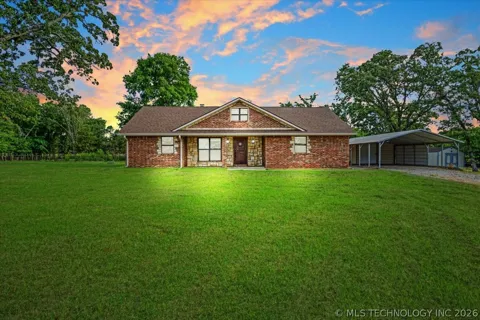
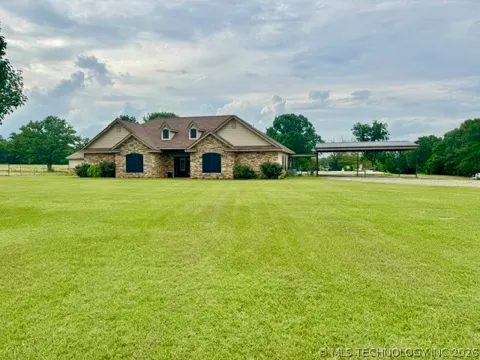
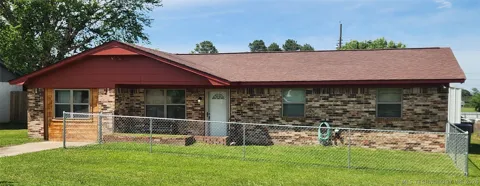
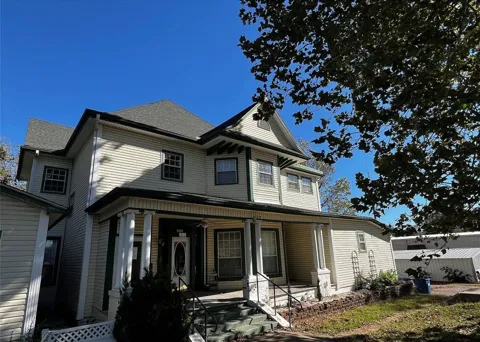
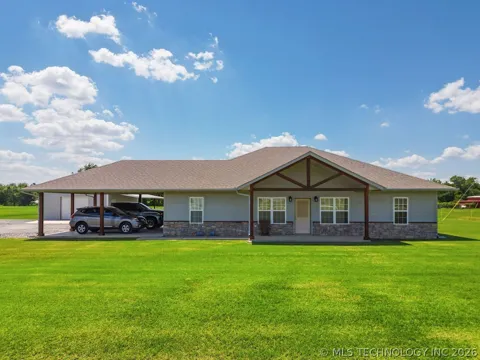
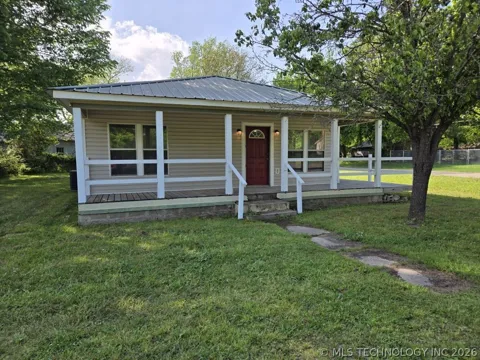
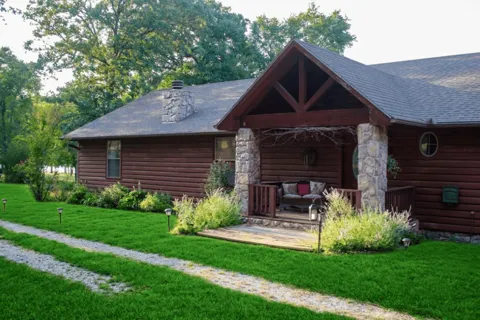
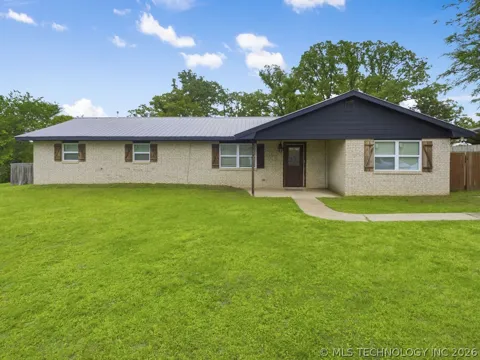
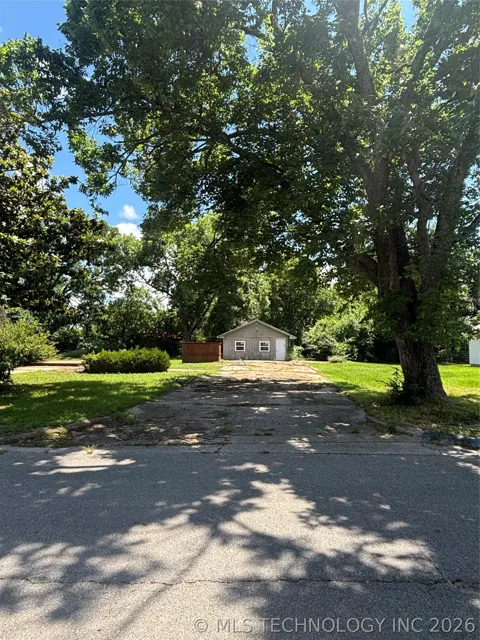
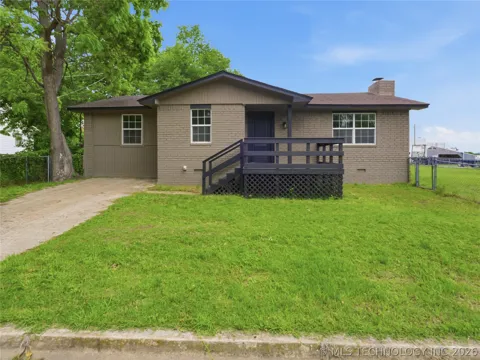
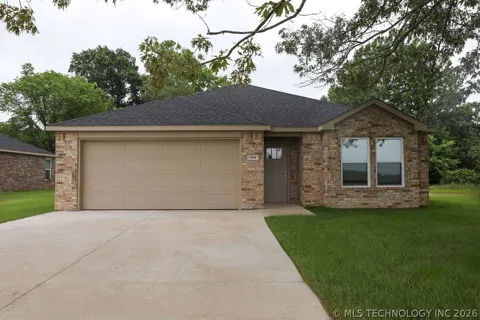
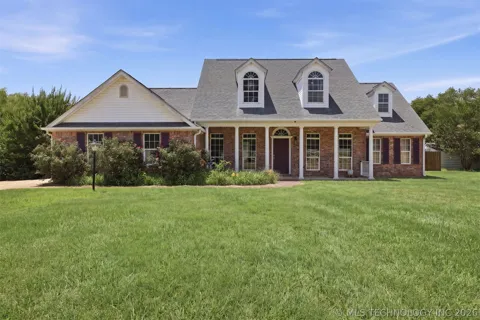
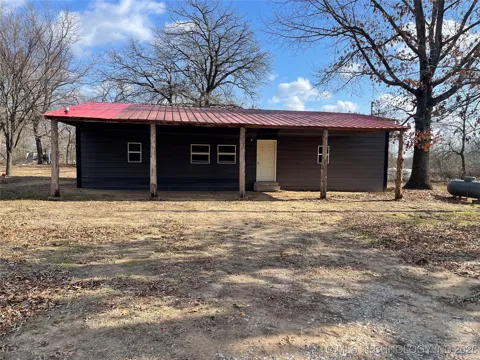
Houses in Atoka, OK
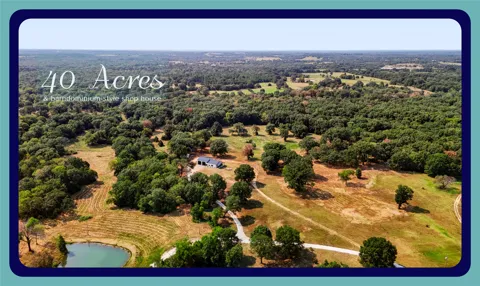
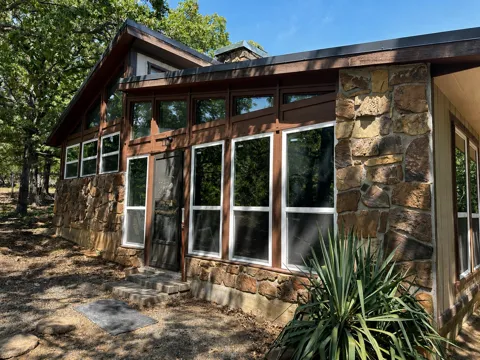
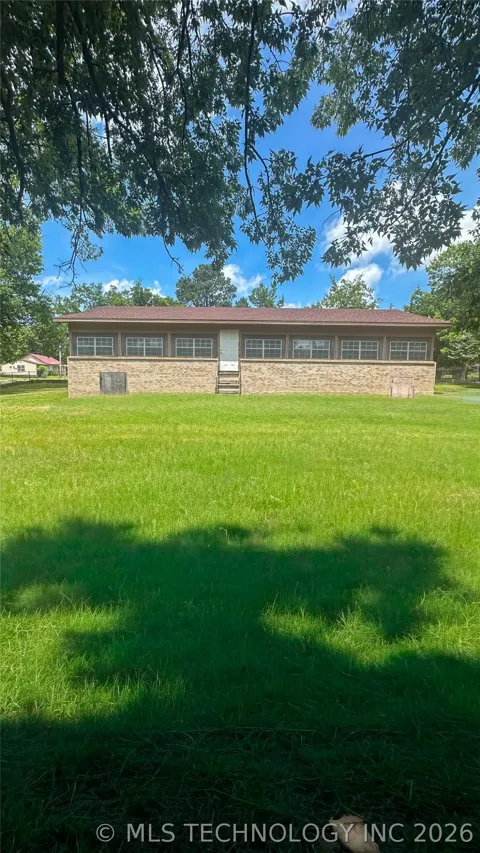
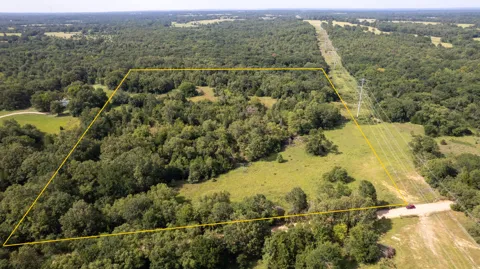
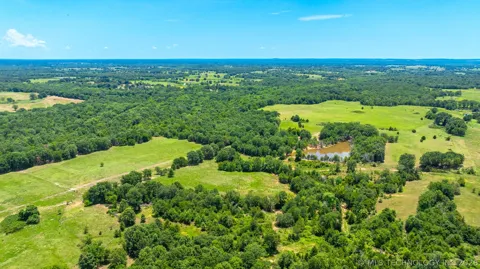
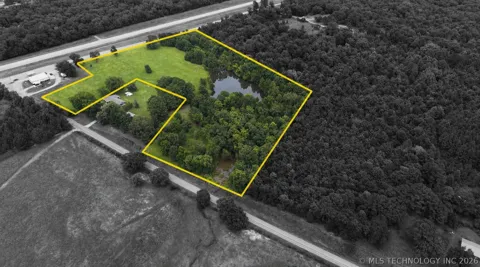
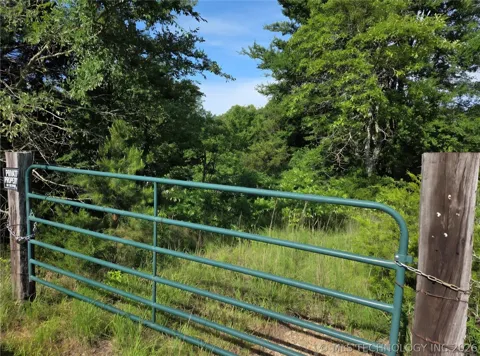
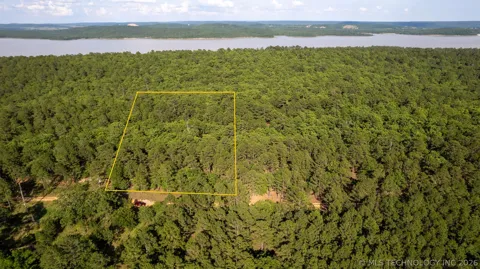
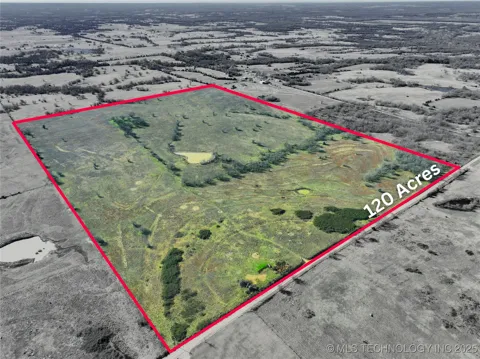
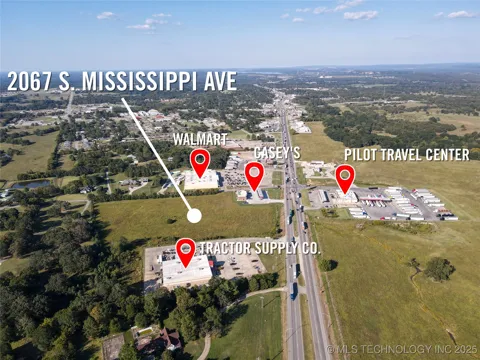
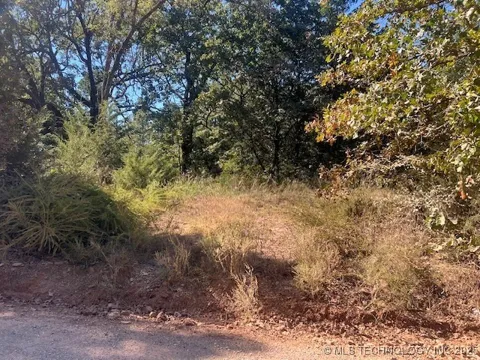
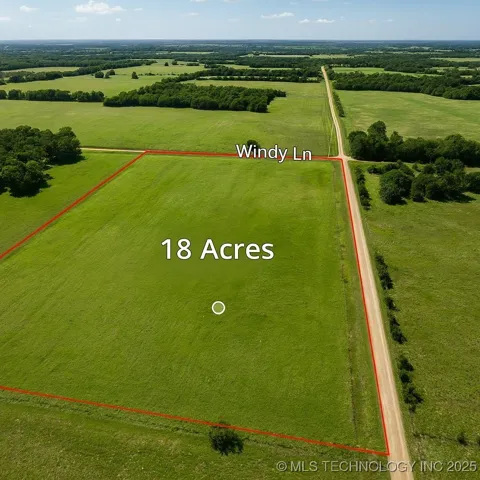
Lots & Land in Atoka, OK
MARKET SNAPSHOT
The Market at a Glance
How homes have been selling here over the last 90 days.
Price & Sales History
Market data reflects closed sales over the last 90 days and is provided for informational purposes.
Zip Codes
BROWSE BY ZIP
Browse listings by postal code in this area.
City Guide
About Atoka
Real Estate & Housing
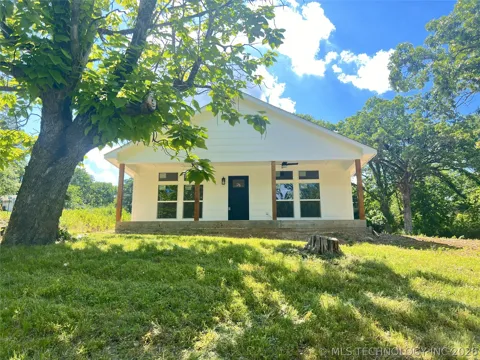
Atoka's housing market is small-town and affordable, with a mix of older single-family homes in established in-town neighborhoods, craftsman-style and ranch houses, and rural properties on acreage around the city's edges. The stock is largely modest and well established, with limited new construction, and buyers can find homes at comparatively low price points relative to the state's metro areas. The market appeals to first-time buyers, families, and those seeking space, with surrounding countryside offering opportunities for larger parcels and country living. The overall character is traditional and residential, anchored by the courthouse square and the older neighborhoods that surround it.
Neighborhoods
Atoka is a compact city organized around its courthouse square and the U.S. Highway 69 corridor that runs through it. Established residential neighborhoods of older single-family homes surround the downtown and the county government complex, with the city's schools and churches anchoring the community's blocks. Commercial development clusters along the highway, while the residential edges thin into rural acreage and countryside. There are no large master-planned subdivisions, and the town's scale keeps most homes close to services. The overall feel is of a traditional Oklahoma county seat, where neighborhoods are defined by their proximity to downtown rather than by formal names or gates.
Lifestyle in Atoka
Atoka offers a relaxed, small-town way of life rooted in southeastern Oklahoma's Choctaw heritage and outdoor setting. As the county seat, it anchors the region's government, commerce, and services, while daily life moves at an unhurried pace. Residents make heavy use of the nearby lakes and state parks for fishing, boating, camping, and hiking, and community life centers on schools, churches, and local events. The city's location along U.S. Highway 69 places it on a main route between Texas and the eastern Oklahoma and Kansas corridor, but the atmosphere remains distinctly rural and community-focused, appealing to families, retirees, and outdoor enthusiasts.
Schools & Education
Atoka is served by Atoka Public Schools, the local K–12 district that operates elementary, middle, and high school campuses, including Atoka High School and McCall Middle School. The district anchors community life and serves the city and surrounding rural areas of Atoka County. The city is also home to a branch of the Kiamichi Technology Center, part of Oklahoma's career and technical education system, which offers programs in fields such as information technology, cosmetology, and welding for students and adults. For higher education, Southeastern Oklahoma State University in Durant and other regional institutions are within commuting distance.
Getting Around
Atoka's transportation position centers on U.S. Highway 69, which runs through the city and connects it south toward Texas and north toward McAlester and the eastern Oklahoma corridor. State Highway 3 and State Highway 7 provide additional east–west connections across southeastern Oklahoma. The city's origins as a Katy railroad town remain visible in its history, though passenger rail no longer serves the community. Residents rely on private vehicles, and there is no public transit. The nearest commercial air service is at Dallas/Fort Worth and Tulsa, each roughly two hours away, with regional service available at smaller airports in the surrounding area.
Parks & Recreation
Outdoor recreation is one of Atoka's defining strengths. Atoka Lake, a 5,900-acre reservoir with 59 miles of shoreline, offers boating, fishing, and camping just outside the city. To the northeast, McGee Creek State Park surrounds McGee Creek Reservoir, with campgrounds, hiking trails, and access to the McGee Creek Natural Scenic Recreation Area, known for its clear water and forested hills. The region supports hunting, fishing, and trail use across public lands and the Choctaw Nation's recreation areas. The city also maintains local parks and a city lake, and its events and school athletics provide community-based recreation throughout the year.
About Atoka
Frequently asked questions
What county is Atoka in?
Atoka is a city in southeastern Oklahoma and the county seat of Atoka County. The county was formed from Choctaw lands before statehood, and both the city and county are named for the Choctaw chief Atoka.
How did Atoka develop?
Atoka grew substantially after 1872, when the Missouri, Kansas and Texas Railway, known as the Katy, laid tracks through the Choctaw Nation. Businesses relocated from nearby Boggy Depot to be closer to the railroad, establishing Atoka as a regional center.
What school district serves Atoka?
Atoka is served by Atoka Public Schools, which operates campuses including Atoka High School and McCall Middle School. The city is also home to a branch of the Kiamichi Technology Center, offering career and technical training programs.
What outdoor recreation is near Atoka?
Atoka is a gateway to outdoor recreation in southeastern Oklahoma. Nearby Atoka Lake covers 5,900 acres with 59 miles of shoreline, and McGee Creek State Park and McGee Creek Reservoir offer camping, boating, fishing, and hiking.
What is the population of Atoka?
Atoka has a population of about 3,200 residents according to the 2020 census. It is the county seat and largest community in Atoka County, serving as the area's center for government, commerce, and services.
Still have questions about Atoka?
Get in touchExplore the area
