
Washington County Oil Heritage City
Listings in Bartlesville, OK
Welcome to Bartlesville, the Washington County seat in northeast Oklahoma, where a Phillips 66 oil legacy meets Frank Lloyd Wright's Price Tower and the rolling Osage Hills.
Bartlesville is a city in northeastern Oklahoma, serving as the county seat of Washington County. It sits about 47 miles north of Tulsa and 18 miles south of the Kansas border, on the edge of the Osage Hills where the tallgrass prairie begins to roll. With a 2020 census population of roughly 37,300, it is a mid-sized regional center whose identity is inseparable from the American oil industry. The city's modern story begins with Frank Phillips and the Phillips Petroleum Company, which made Bartlesville its headquarters and transformed a frontier trading town into a corporate city. That heritage survives in the Phillips Petroleum Company Museum and in the surrounding institutions, museums, and neighborhoods the oil boom built. Today the energy industry remains part of the local economic fabric, alongside manufacturing, health care, and education. Bartlesville holds a distinctive place in American architecture: the Price Tower, completed in 1956, is the only skyscraper Frank Lloyd Wright ever realized, and it anchors the downtown skyline as a National Historic Landmark. The city's cultural life is unusually rich for its size, anchored by the annual OKM Music Festival, a summer classical and chamber music event, and by institutions such as the Bartlesville Art Association and area history museum. Education is a community strength. Students attend Bartlesville Public Schools, and Oklahoma Wesleyan University, a private Christian university, is located in the city. Recreation follows the Caney River through Johnstone Park, and just to the southwest, Woolaroc Museum & Wildlife Preserve—Frank Phillips' 3,700-acre ranch retreat—combines an art museum with native wildlife in the Osage Hills. Bartlesville suits families, professionals tied to the energy and industrial economy, and residents who want a smaller-city pace with genuine cultural institutions, all within a short drive of Tulsa and the Osage Nation's rolling landscape.
Get more information about Bartlesville

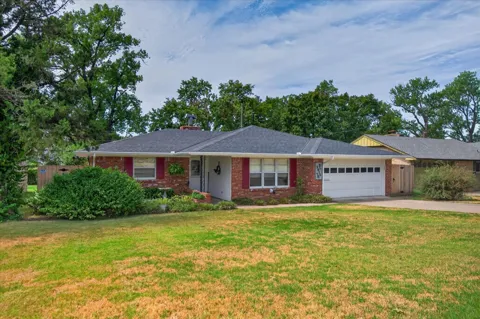
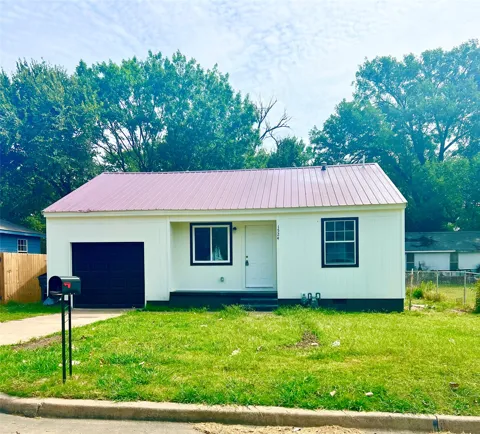
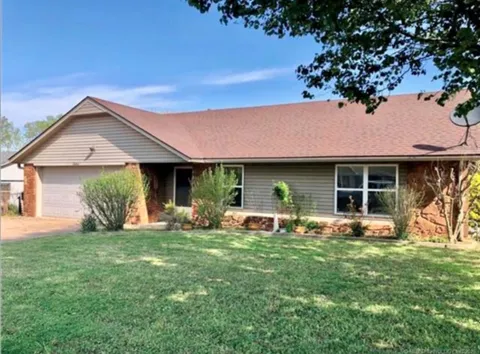
Houses in Bartlesville, OK
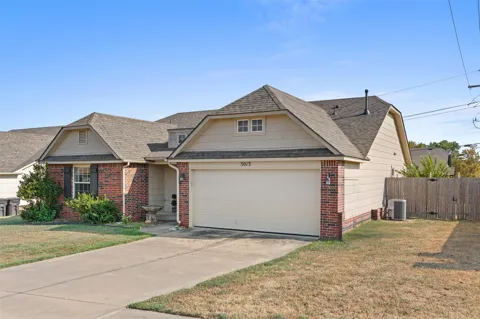
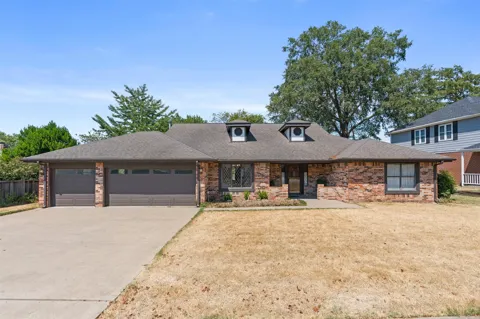
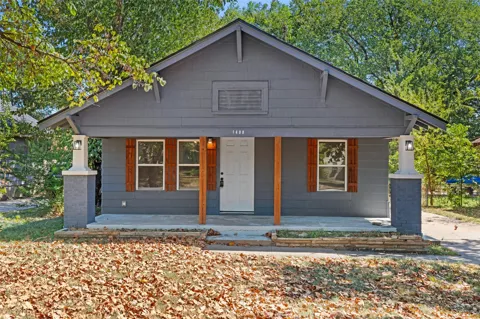
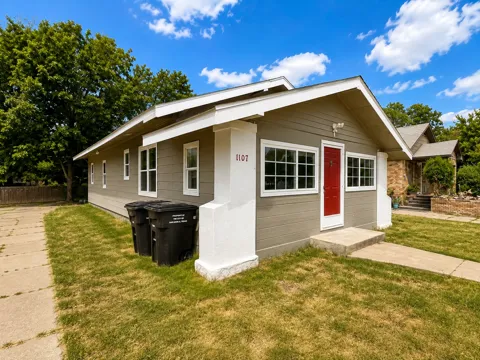

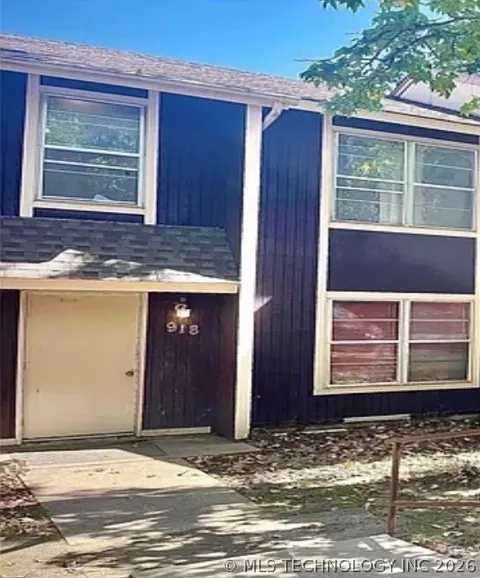
Townhouses & Duplexes in Bartlesville, OK
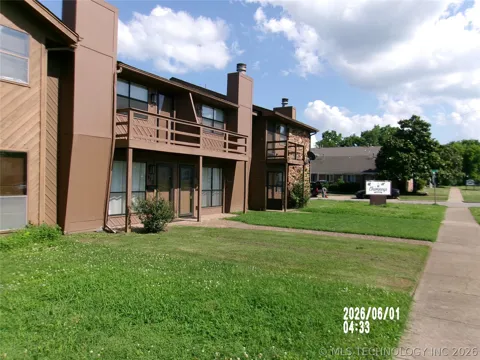
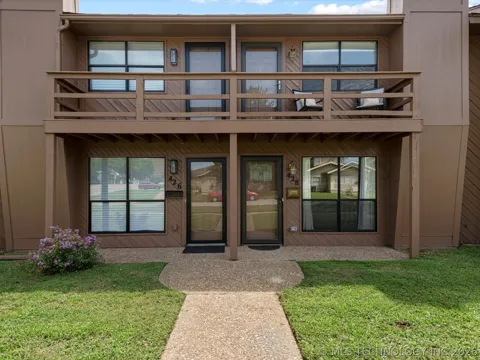
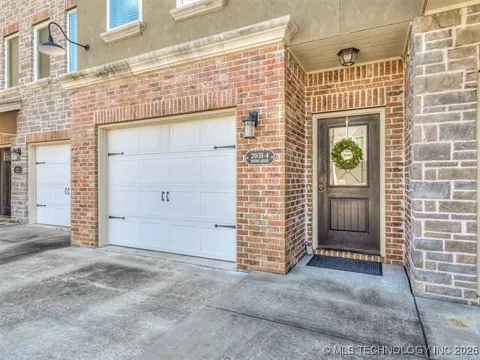
Condos & Apartments in Bartlesville, OK
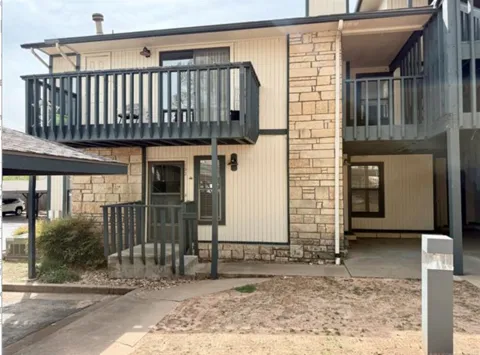
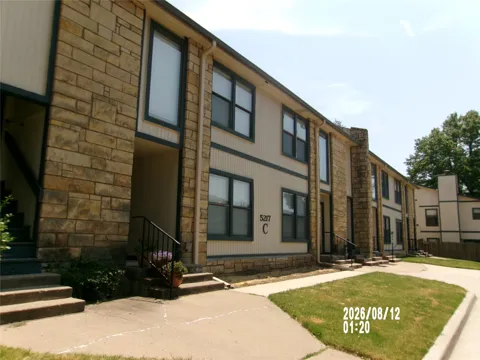
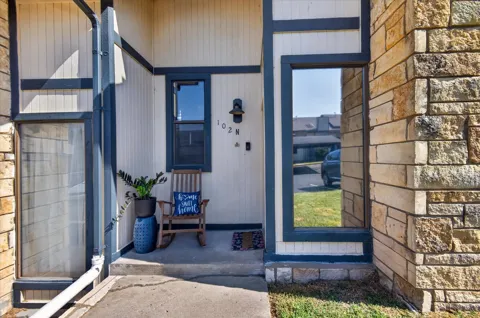
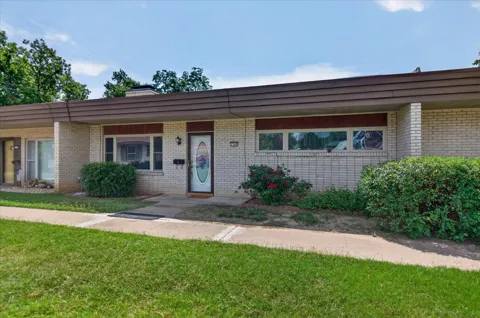
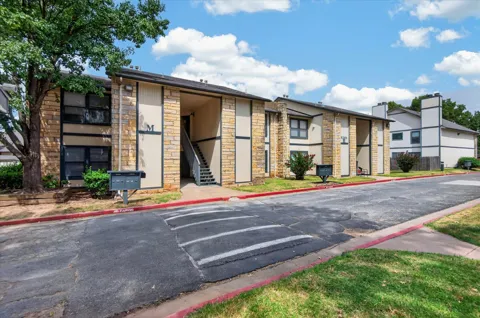
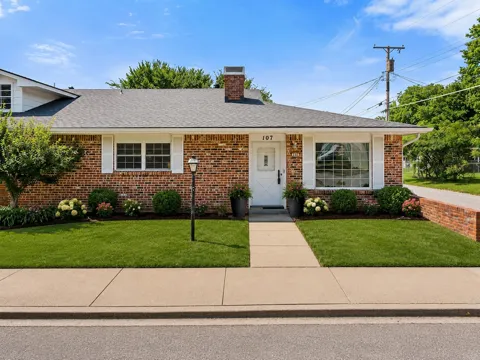
For Rent in Bartlesville, OK
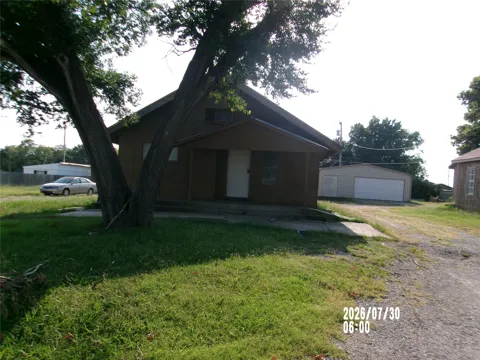
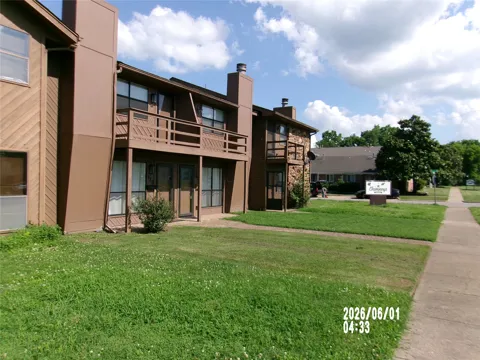
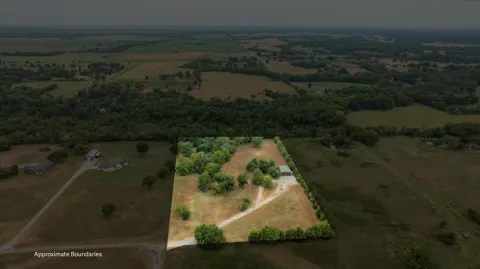
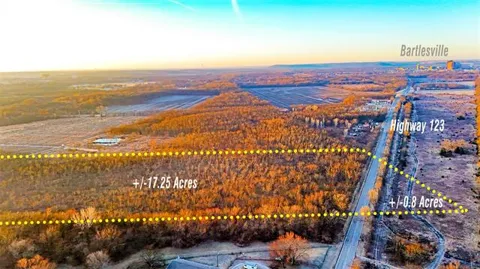
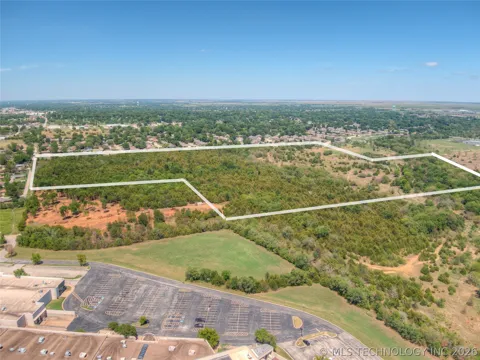
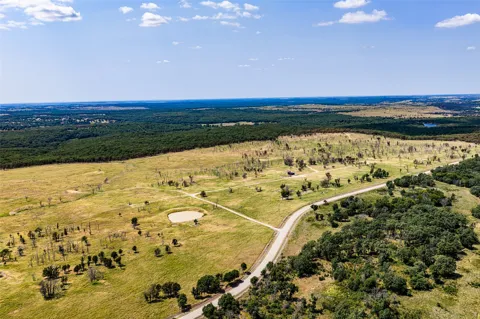
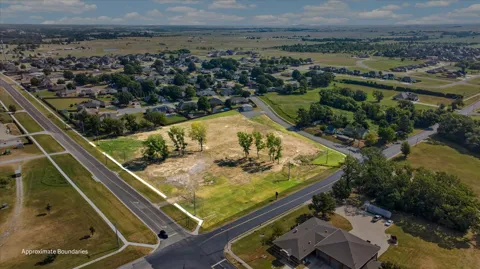
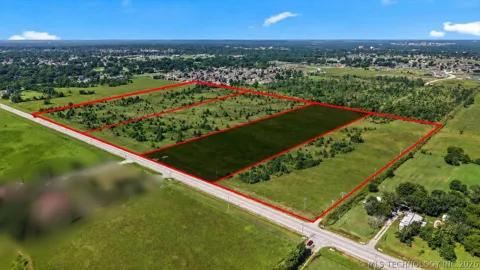
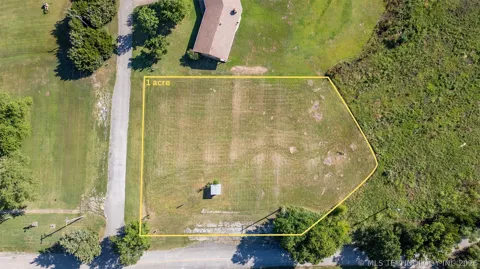
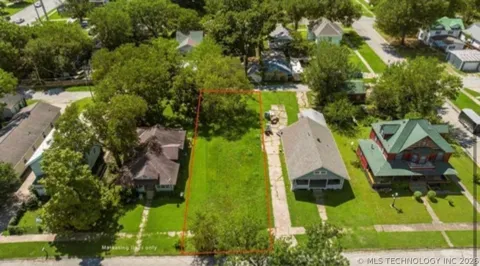
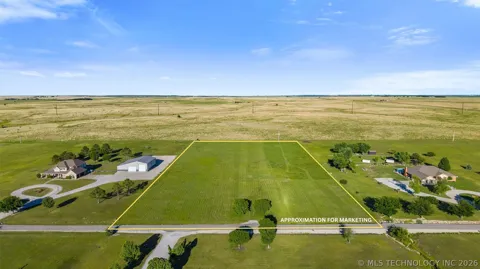
Lots & Land in Bartlesville, OK
MARKET SNAPSHOT
The Market at a Glance
How homes have been selling here over the last 90 days.
Price & Sales History
Market data reflects closed sales over the last 90 days and is provided for informational purposes.
Zip Codes
BROWSE BY ZIP
Browse listings by postal code in this area.
City Guide
About Bartlesville
Real Estate & Housing
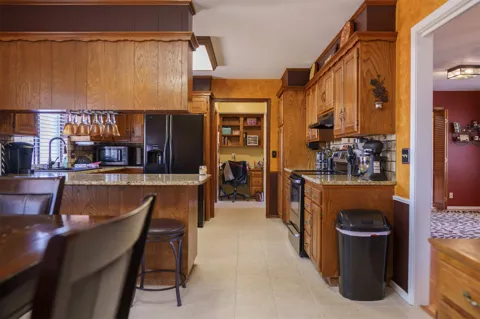
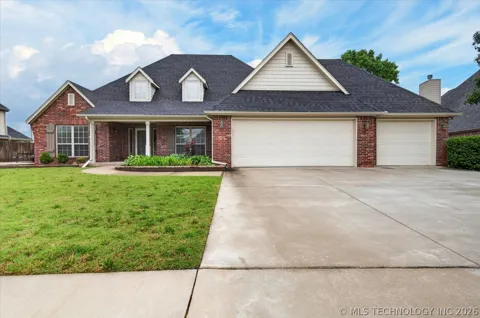
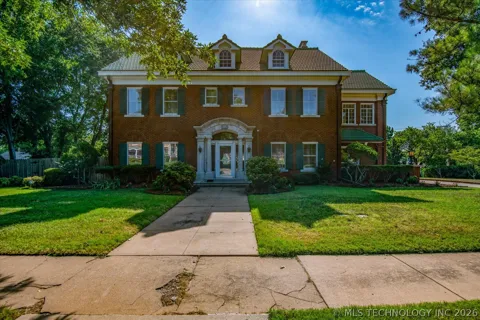
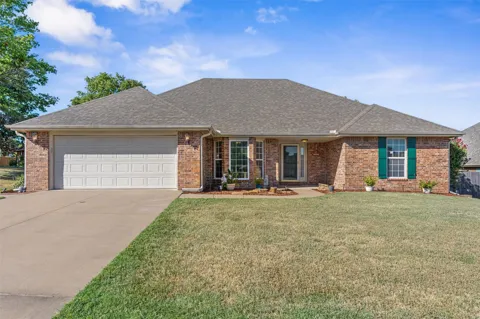
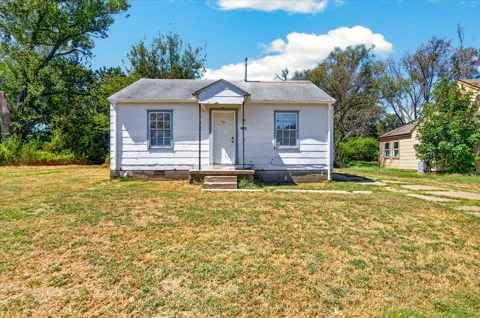
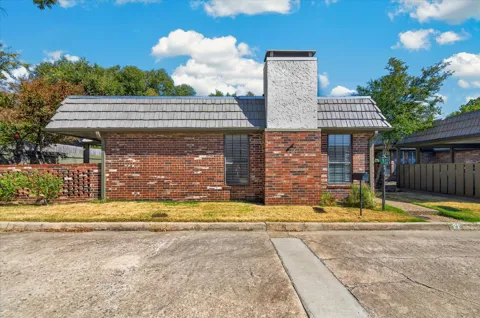
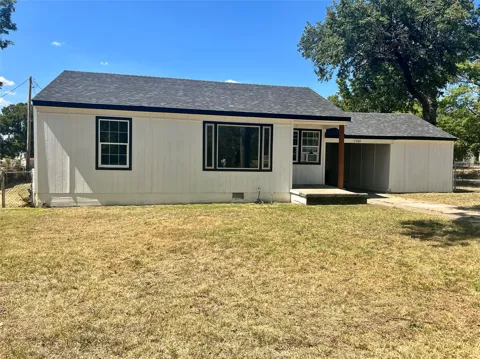
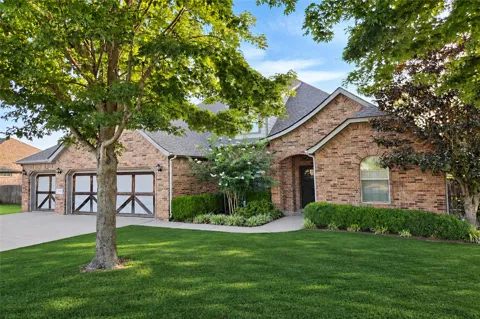
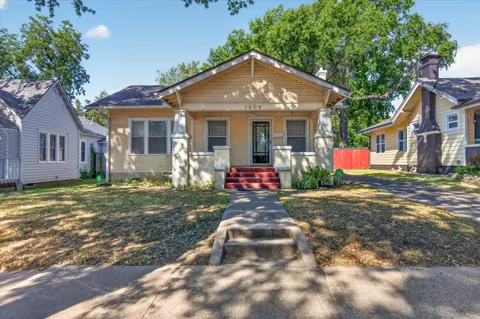
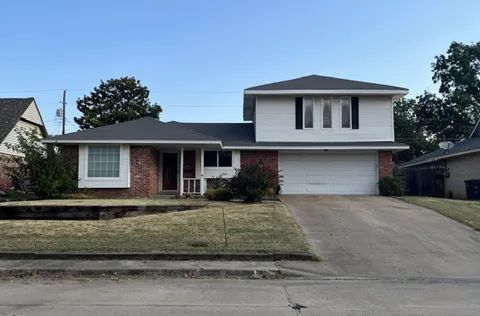
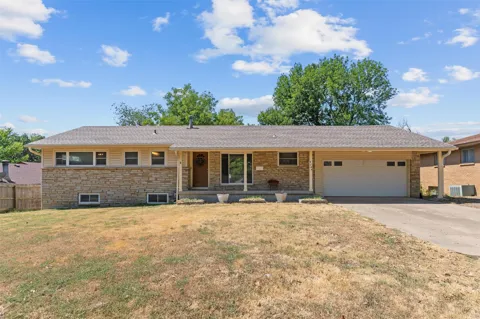
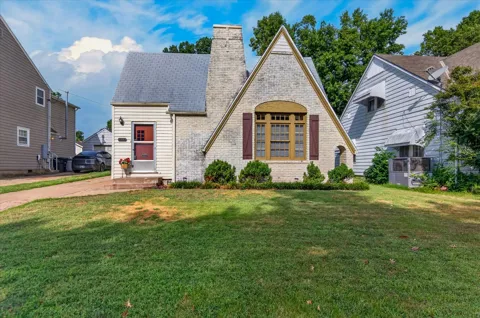
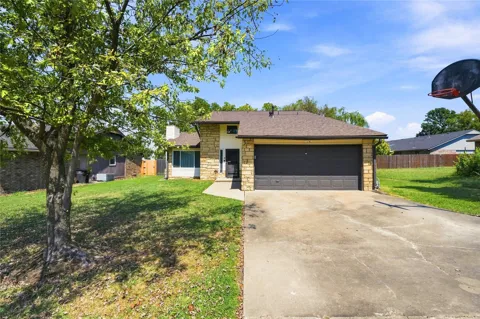
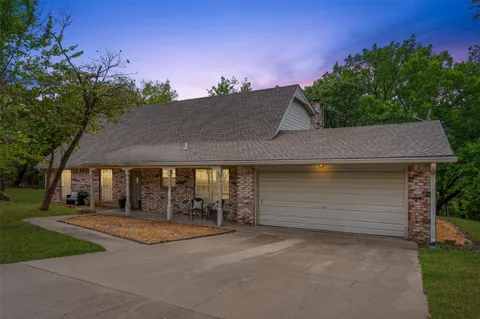
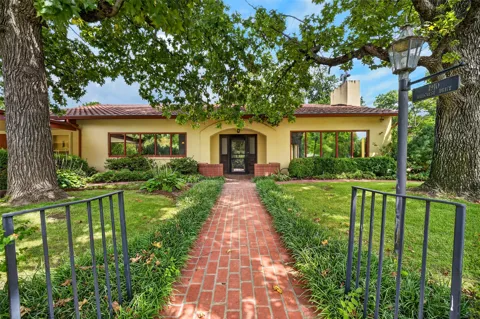
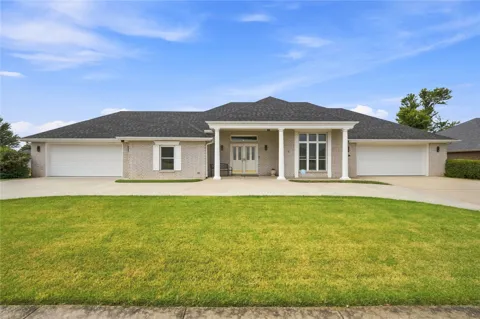
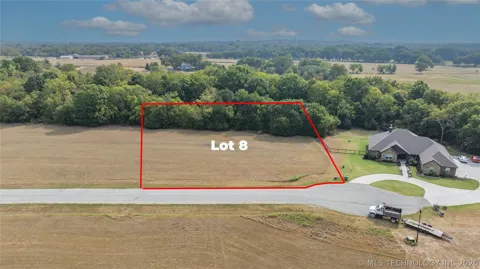
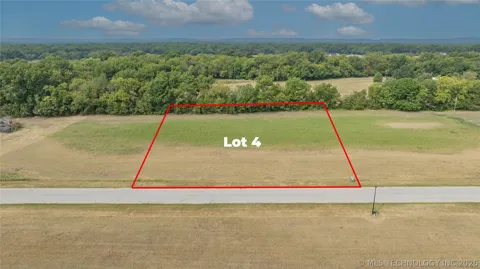
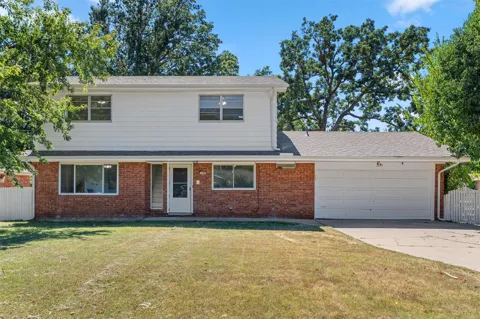
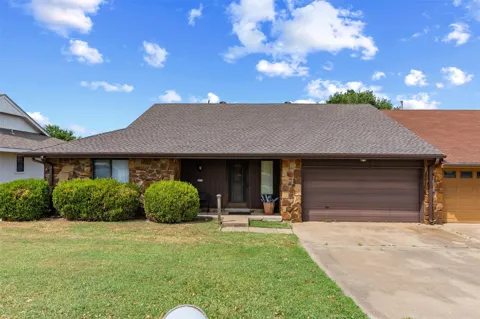
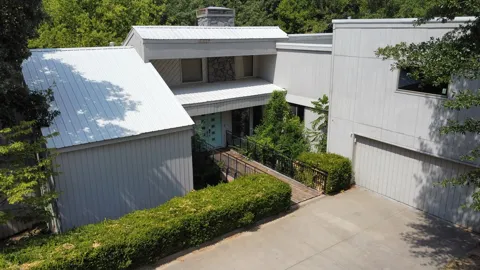
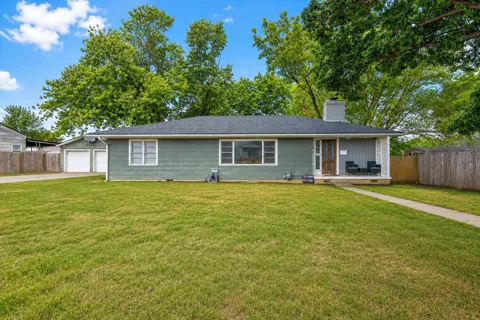
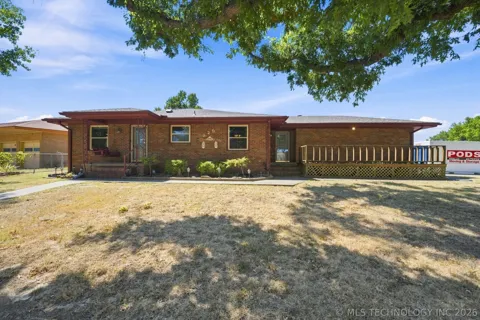
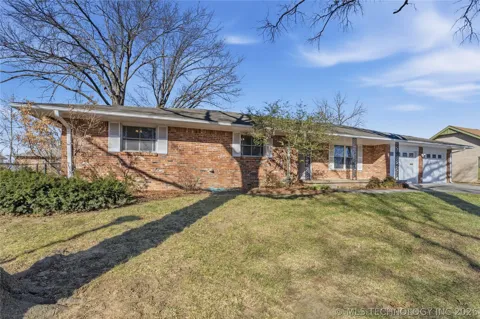
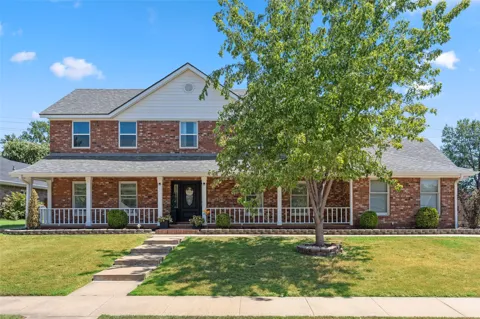
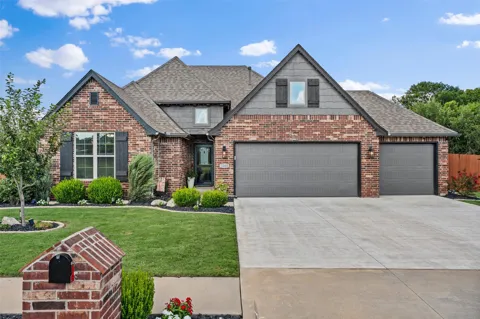
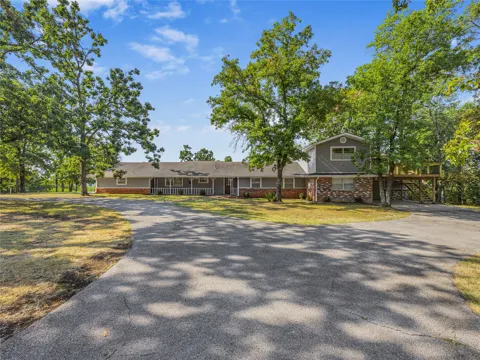
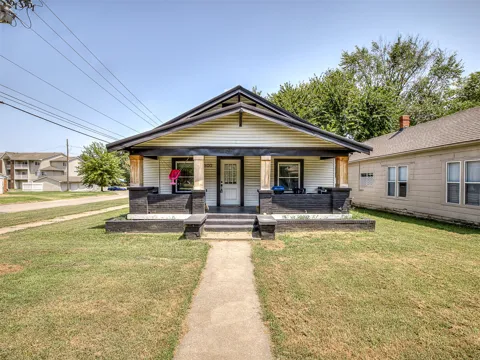
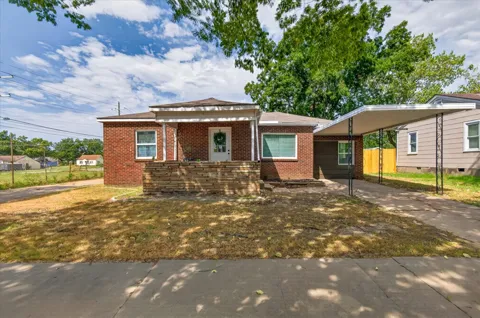
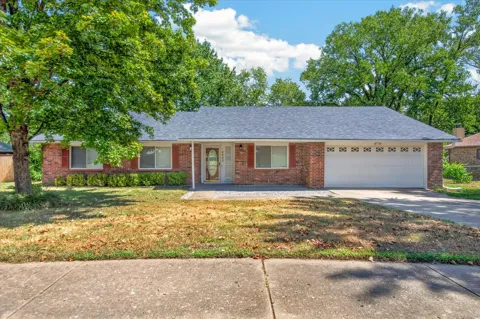
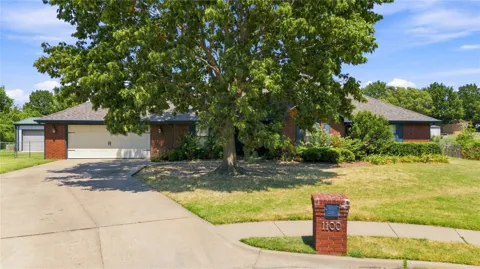
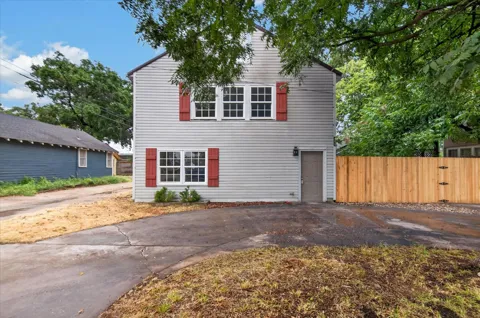
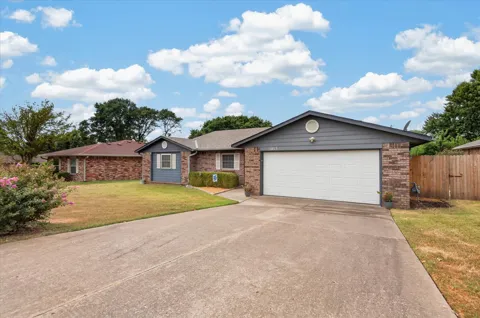
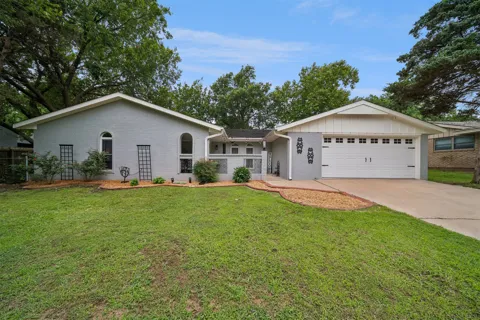
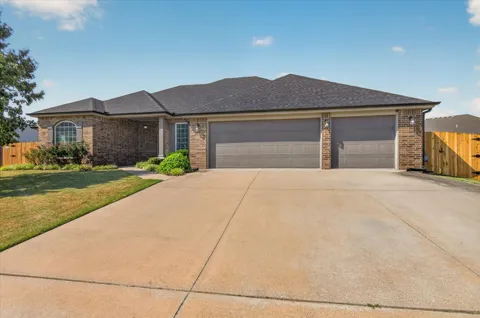
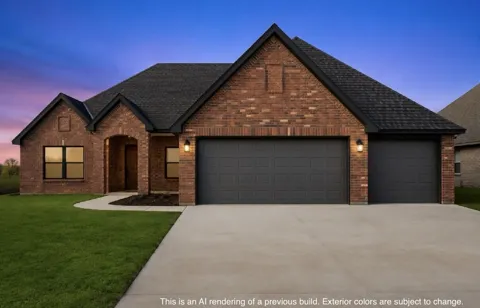
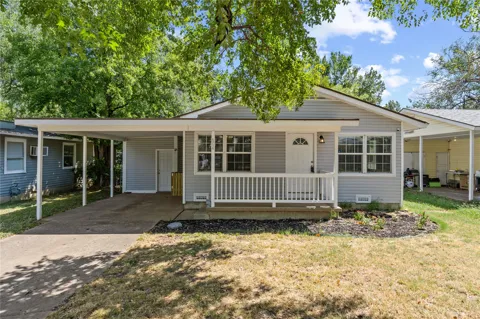
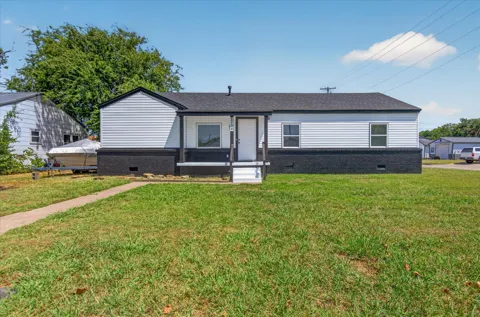
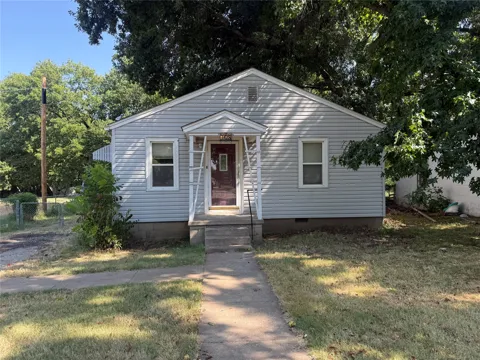
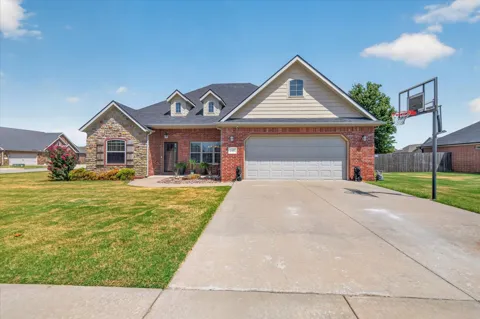
Bartlesville's housing stock is broad and established, reflecting a city that grew substantially through the 20th century around the petroleum industry. Buyers find well-built older homes from the early and mid-1900s—including bungalows, craftsman, and ranch styles—concentrated near downtown and in the city's historic districts, alongside extensive mid-century suburban tracts developed during the Phillips Petroleum era. Newer subdivisions ring the city's edges, offering contemporary construction on larger lots. The city's long history as a corporate headquarters produced neighborhoods of substantial, architecturally varied homes, while other areas offer more modest housing. Home values are generally moderate compared with regional metros, and the market skews toward owner-occupied single-family homes. The variety of eras and styles means buyers can move between historic character, established mid-century neighborhoods, and newer suburban development within a compact geographic area.
Neighborhoods
Bartlesville's neighborhoods reflect its history as an oil-town corporate center. The downtown area and its surrounding blocks contain the city's oldest homes, many dating to the early 20th century and reflecting the wealth generated by the Phillips era. To the south and east, extensive mid-century subdivisions built during the city's post-war growth offer established, tree-lined streets and ranch-style homes. The areas near Oklahoma Wesleyan University and the city's schools are popular with families, while newer developments on the city's perimeter provide the most recent construction. Johnstone Park and the Caney River corridor anchor the city's central recreational landscape. Though not divided into dramatic named districts, Bartlesville's neighborhoods are characterized by mature landscaping, generous lots, and a settled, low-traffic feel, with the Osage Hills rising just beyond the city's southwestern edge.
Lifestyle in Bartlesville
Bartlesville's lifestyle reflects its identity as a cultured small city with deep corporate roots. Downtown is anchored by Frank Lloyd Wright's Price Tower, and the city's cultural calendar peaks each summer with the OKM Music Festival, which draws performers and audiences for more than a week of concerts. The Phillips Petroleum Company Museum and the Bartlesville Area History Museum give residents a strong sense of place, while community life revolves around churches, schools, and Oklahoma Wesleyan University. The Caney River runs through Johnstone Park, providing a central green space. Residents value the city's low-key pace, its arts institutions, and its proximity to both Tulsa and the Osage Hills, which offer outdoor recreation and the distinctive Woolaroc preserve. It is a community where a rich corporate legacy coexists with small-town familiarity.
Schools & Education
Bartlesville's public school students are served by Bartlesville Public Schools, a district whose schools—including Bartlesville High School and several well-regarded elementary schools—serve the city and surrounding areas. The district's reputation is a common consideration for families relocating to the city, and private options such as Wesleyan Christian School add choice. Oklahoma Wesleyan University, a private Christian liberal arts university, has its main campus in Bartlesville and contributes higher education, athletics, and cultural programming to the community. The presence of both a full K-12 public district and a four-year university gives Bartlesville an educational depth that supports a stable, family-oriented population and reinforces the city's broader civic and cultural character. Career and technical training opportunities are also available through regional technology centers serving Washington County.
Getting Around
Bartlesville is connected to the region primarily by highway. U.S. Highway 75 runs north-south through the city, providing the main route to Tulsa about 47 miles south, while U.S. Highway 60 crosses east-west, linking Bartlesville to Ponca City and points west, including the Woolaroc area. State highways serve the surrounding Osage Hills and Kansas border region. The city has no passenger rail service, and there is no commercial airport within the city itself, though Tulsa International Airport is the nearest major air gateway. Commuting is overwhelmingly car-based, with a road network that is generally uncongested compared with larger metros. For residents, transportation is defined by convenient highway access to Tulsa, the broader Green Country region, and the Oklahoma-Kansas border area, rather than by transit or daily traffic constraints.
Parks & Recreation
Bartlesville's recreation blends riverside parks, cultural institutions, and access to the Osage Hills. Johnstone Park, in the heart of the city along the Caney River, is home to Oklahoma's largest white ash tree and offers green space, gardens, and event facilities near the Bartlesville Art Center and Kiddie Park. The city operates a network of neighborhood parks, sports fields, and trail facilities, and the nearby Osage Hills provide hiking, hunting, and scenic drives. Woolaroc Museum & Wildlife Preserve, about twelve miles southwest of town, spans 3,700 acres and pairs a Western art museum with bison, elk, and other native wildlife roaming the grounds. Fishing and boating are available on area lakes and the Caney River. The annual OKM Music Festival adds a major cultural recreation draw each summer, rounding out a community that offers both active outdoors and the arts.
About Bartlesville
Frequently asked questions
What county is Bartlesville in?
Bartlesville is the county seat of Washington County, located in northeastern Oklahoma. It sits about 47 miles north of Tulsa and about 18 miles south of the Kansas state border, near the Osage Hills.
What is Bartlesville known for?
Bartlesville is best known for its oil-industry heritage as the historic headquarters of Phillips Petroleum Company, now reflected in the Phillips Petroleum Company Museum. It is also home to Frank Lloyd Wright's Price Tower, the only skyscraper the architect ever completed, which is a National Historic Landmark.
How far is Bartlesville from Tulsa?
Bartlesville lies about 47 miles north of Tulsa via U.S. Highway 75, making it roughly a 45-minute drive to the Tulsa metropolitan area. The city is also about 18 miles south of the Kansas border.
What schools serve Bartlesville?
Public school students in Bartlesville attend Bartlesville Public Schools, which includes Bartlesville High School, along with private options such as Wesleyan Christian School. Oklahoma Wesleyan University, a private Christian university, is located in the city for higher education.
What outdoor and cultural attractions are near Bartlesville?
Bartlesville's recreation includes Johnstone Park along the Caney River, which holds the state's largest white ash tree. Nearby, Woolaroc Museum & Wildlife Preserve offers a 3,700-acre wildlife preserve and art museum in the Osage Hills, about twelve miles southwest of the city.
Still have questions about Bartlesville?
Get in touchExplore the area
