
Historic Cherokee Nation Community
Listings in Park Hill, OK
Welcome to Park Hill, a historic Cherokee Nation community near Tahlequah, home to the antebellum Hunter's Home and the Cherokee Heritage Center.
Park Hill is an unincorporated community and census-designated place in southwestern Cherokee County, Oklahoma, nestled in the wooded foothills of the Ozarks just south of Tahlequah. The 2020 census counted 3,193 residents, though the community is dispersed and rural rather than a dense town. Its significance lies less in its size than in its history: Park Hill was one of the earliest and most important settlements of the Cherokee Nation in what is now Oklahoma. The community's story begins with the Trail of Tears. When the Cherokee were forcibly removed to Indian Territory in the 1830s, an existing mission community at Park Hill became a settlement point for prominent Cherokee families, and Tahlequah, a few miles north, was established as the Cherokee capital. Park Hill developed into a center of Cherokee education and culture, a role that made it, for a time, one of the most educated communities in Indian Territory. Its landmarks preserve that era: Hunter's Home, built in 1845, survives as one of the few antebellum buildings remaining in the Cherokee Nation, and the Cherokee Heritage Center has long interpreted Cherokee history, art, and culture for visitors from across the country. Today Park Hill remains closely tied to Tahlequah and the Cherokee Nation. Students attend the Tahlequah or Keys school districts, and daily life draws on Tahlequah's shops, services, and Northeastern State University. The Illinois River and Lake Tenkiller provide nearby recreation, while the community's rural, wooded setting offers space and quiet. Residents include Cherokee citizens, longtime local families, and those drawn to the area's heritage and natural setting. For anyone interested in Cherokee history and country living at the edge of a small city, Park Hill is a place where the past remains visibly woven into the landscape.
Get more information about Park Hill

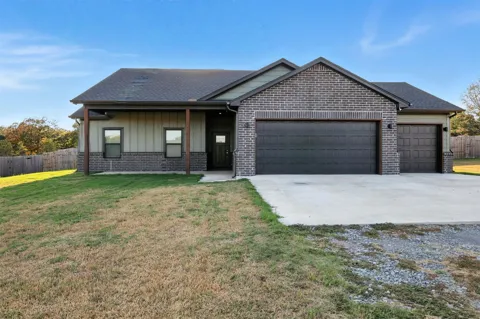
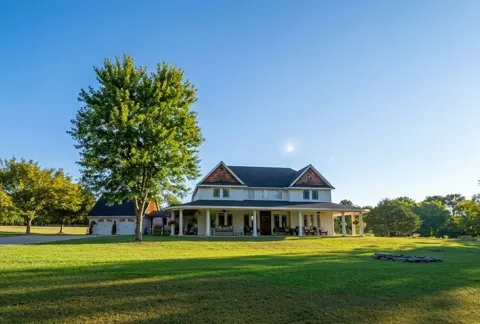
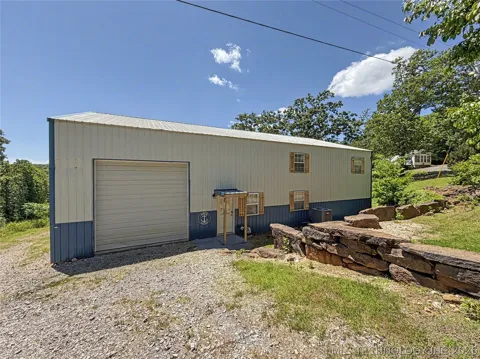
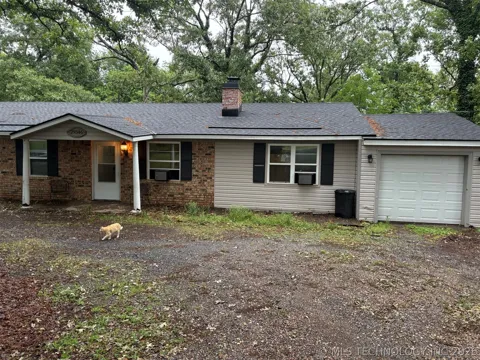
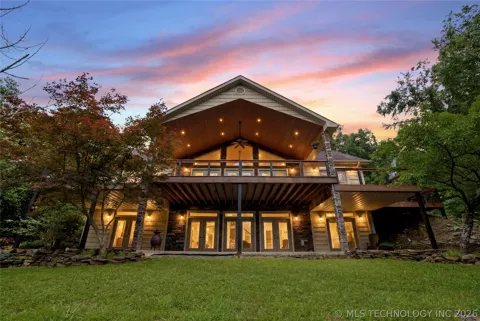
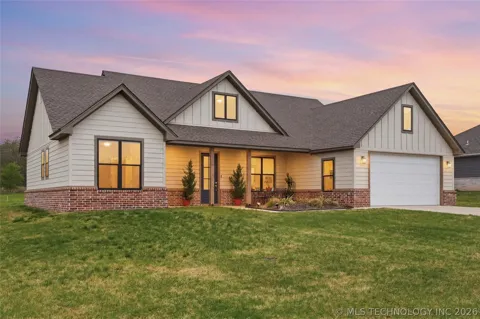
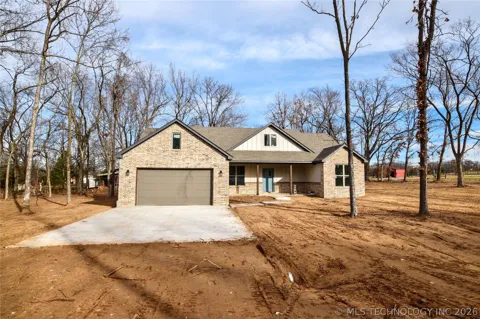
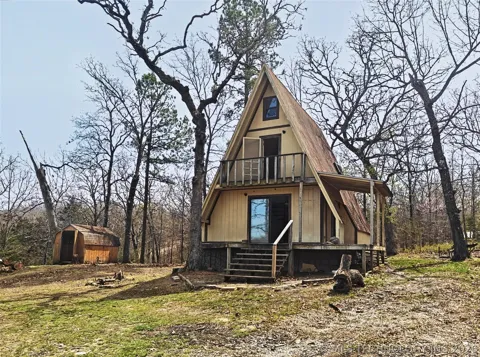
Houses in Park Hill, OK

Condos & Apartments in Park Hill, OK
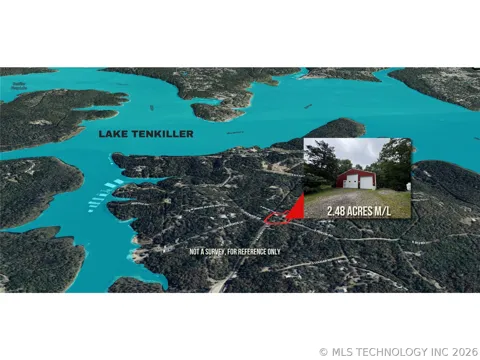
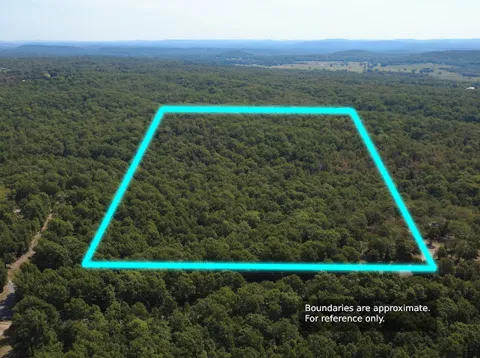
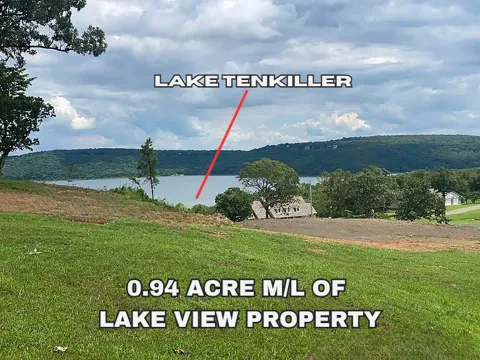
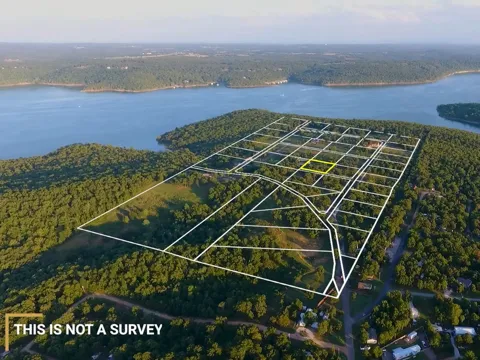
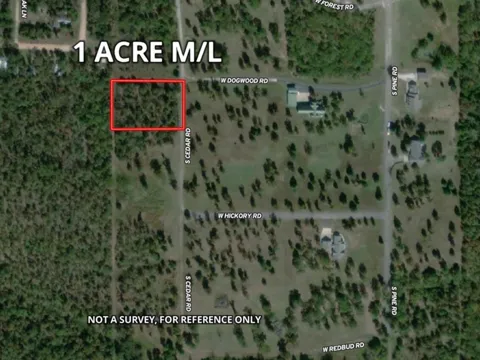
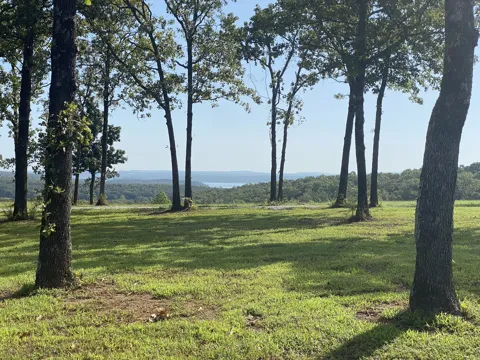
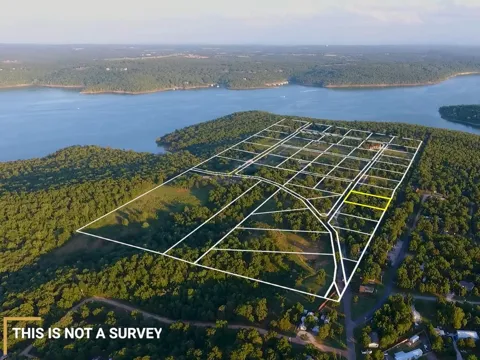
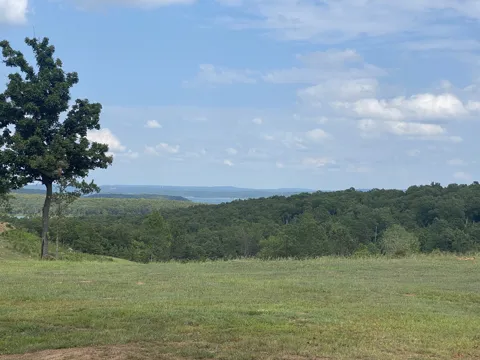
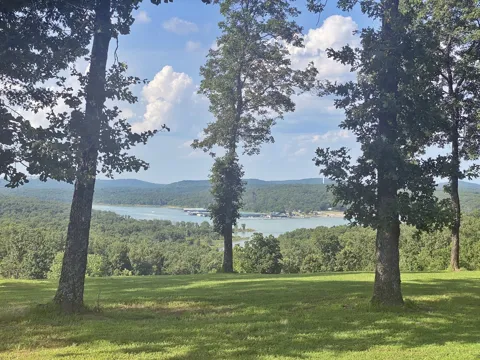
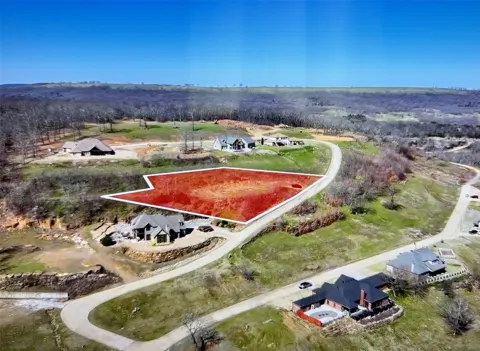
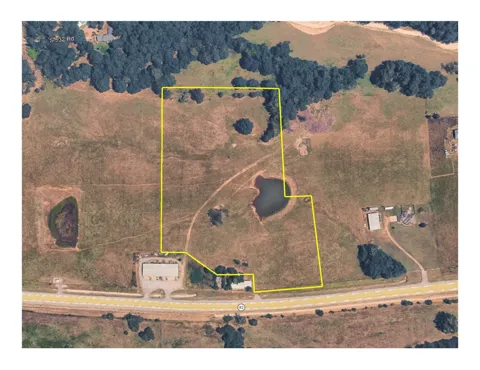
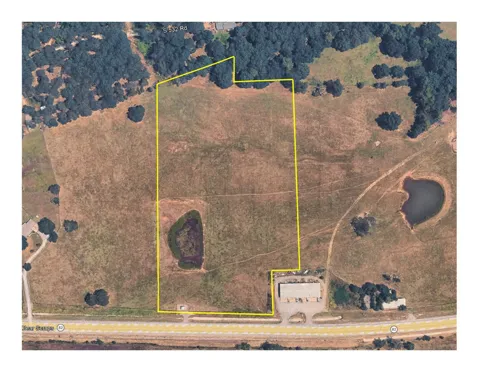
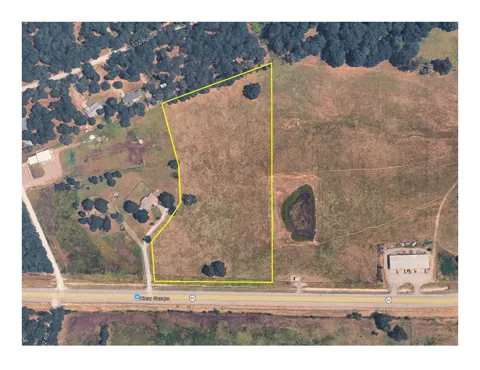
Lots & Land in Park Hill, OK
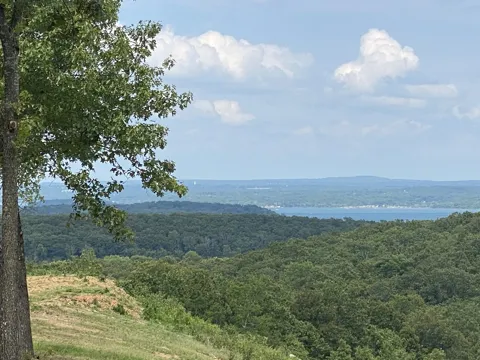
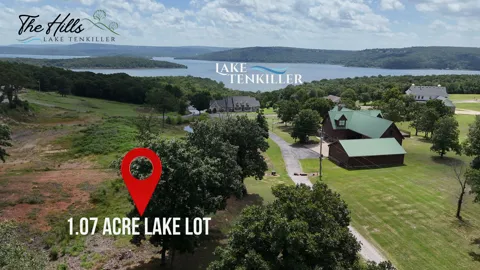
MARKET SNAPSHOT
The Market at a Glance
How homes have been selling here over the last 90 days.
Price & Sales History
Market data reflects closed sales over the last 90 days and is provided for informational purposes.
Zip Codes
BROWSE BY ZIP
Browse listings by postal code in this area.
City Guide
About Park Hill
Real Estate & Housing
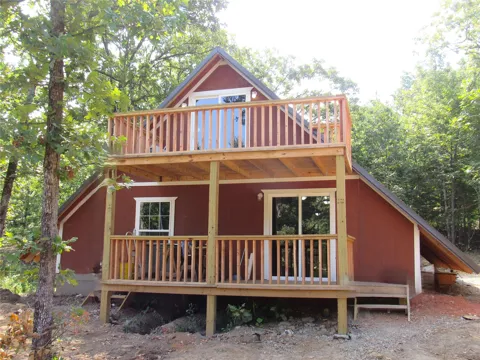
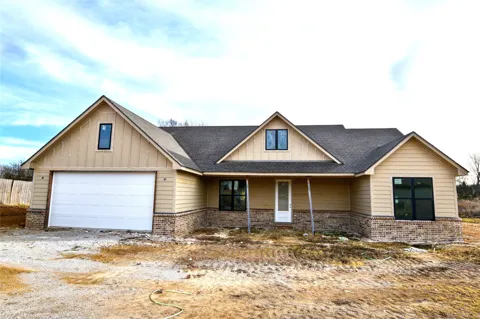
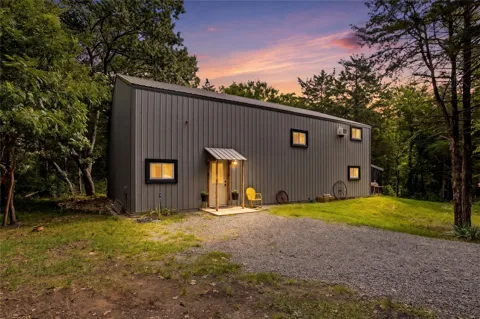
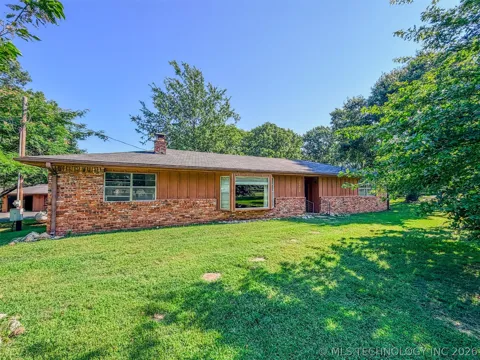
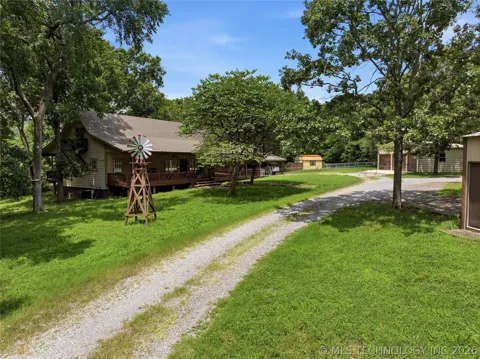
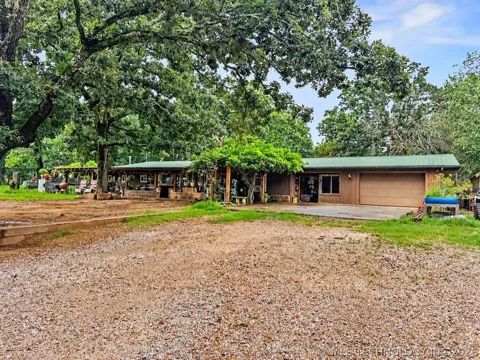
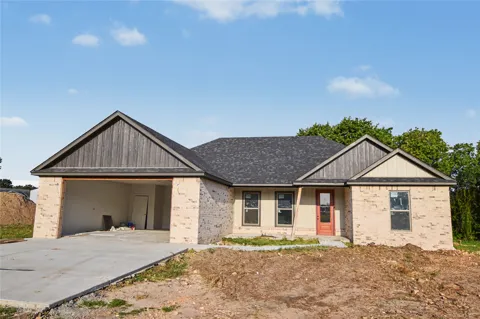
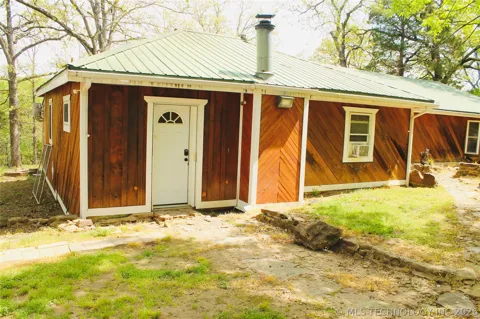
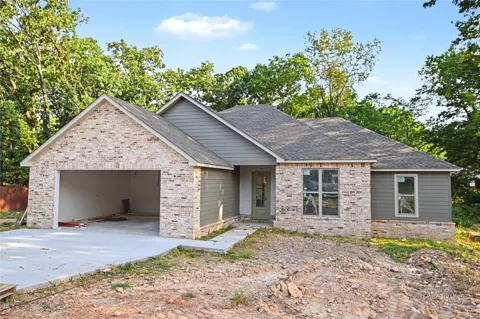
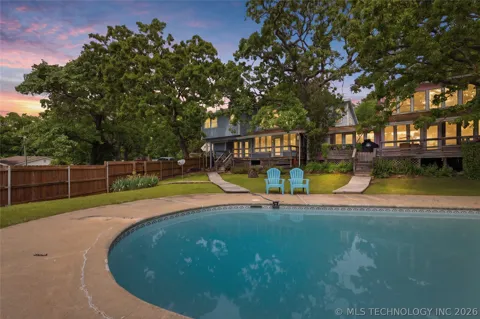
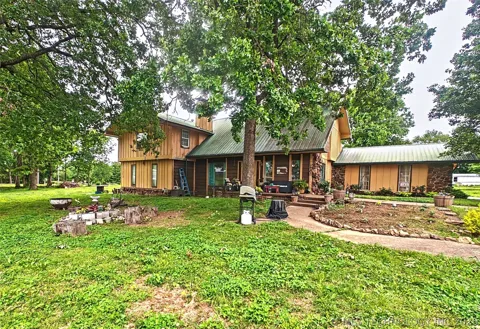
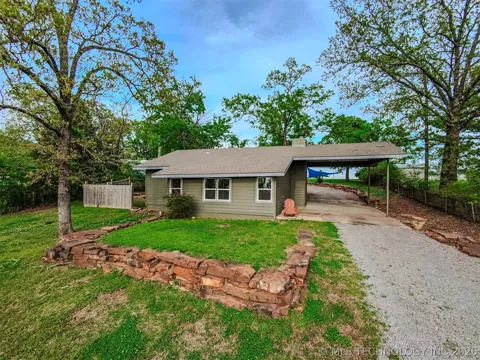
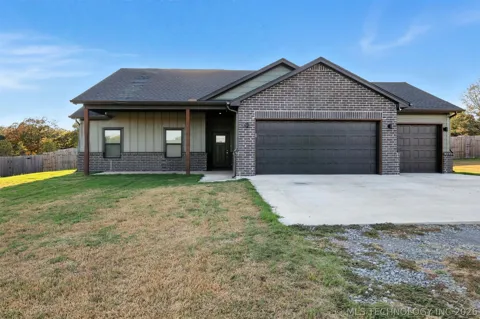
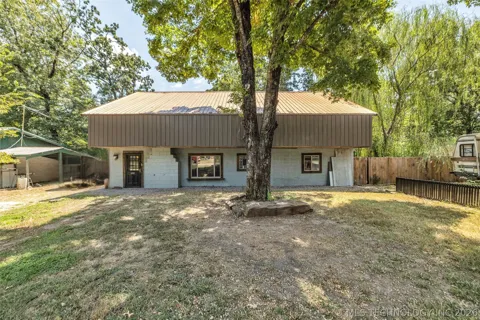
Park Hill's housing is rural and spread out, reflecting its status as an unincorporated community rather than a developed town. Homes sit on larger lots and acreage among the wooded hills south of Tahlequah, with a mix of older houses and newer rural construction rather than dense subdivisions. Buyers drawn to Park Hill typically seek space, privacy, and a connection to the Cherokee Nation's landscape, while staying close to Tahlequah for work and services. The market offers a country setting with a historic character uncommon in the region, appealing to those who value land and heritage over suburban convenience.
Neighborhoods
Park Hill is a dispersed rural community rather than a collection of formal neighborhoods. Its historic heart centers on the mission-era settlement and landmarks such as Hunter's Home and the Cherokee Heritage Center, while residential properties spread across the surrounding hills and valleys along county roads. The community blends almost seamlessly with the outskirts of Tahlequah to the north. This structure means Park Hill is defined less by subdivisions and more by its landscape, its history, and its position as the southern gateway to the Cherokee Nation's capital.
Lifestyle in Park Hill
Park Hill's lifestyle is shaped by its Cherokee heritage and its rural, wooded setting. The community carries a strong sense of place tied to the Cherokee Nation's history, with Hunter's Home and the Cherokee Heritage Center keeping that past present in daily life. Just north, Tahlequah provides the shops, restaurants, Northeastern State University, and services of the Cherokee capital, making Park Hill feel both historic and conveniently placed. The Illinois River, a popular float and fishing stream, and the wooded hills of the Ozark foothills surround the area, supporting an outdoors-oriented pace. It is a community for those drawn to Cherokee country, quiet country roads, and easy access to a small city's amenities.
Schools & Education
Park Hill is served by several small districts. Portions of the community fall within Tahlequah Public Schools, the district based in the nearby Cherokee capital, while other students attend Keys Public Schools, whose Keys Elementary School is located in Park Hill, or the Grand View School District serving the wider area. This arrangement reflects the community's rural, unincorporated structure, with families assigned to districts by location. For residents, it means small, community-oriented schools within a short drive, backed by Tahlequah's educational and cultural resources.
Getting Around
Park Hill lies just south of Tahlequah and east of the junction of U.S. Route 62 and State Highway 10, two of the principal corridors through Cherokee County. This placement gives residents a short, direct drive into Tahlequah for work, shopping, and services, and connects the area to the broader northeastern Oklahoma road network. Transportation is by private vehicle, consistent with the rural setting, and there is no local transit. For residents, the practical pattern is a few minutes' drive to the Cherokee capital, with the region's larger cities reached by highway beyond.
Parks & Recreation
Park Hill's recreation combines history with the outdoors. Hunter's Home offers a restored 1845 house museum and nature trail, and the Cherokee Heritage Center interprets Cherokee history, art, and culture. Nearby, the Illinois River is a favored destination for floating, fishing, and canoeing, while Lake Tenkiller, one of Oklahoma's clearest reservoirs, provides boating and camping within easy reach. The surrounding Ozark foothills support hiking and rural exploration. With Tahlequah just north, residents also have quick access to the Cherokee capital's parks, festivals, and cultural events, making recreation in Park Hill a blend of heritage tourism and natural Oklahoma landscape.
About Park Hill
Frequently asked questions
What county is Park Hill in?
Park Hill is in Cherokee County, Oklahoma, in the northeastern part of the state. It lies just south of Tahlequah, the Cherokee County seat and the capital of the Cherokee Nation.
What is Park Hill known for?
Park Hill is best known for its Cherokee Nation history. It was an established mission community where prominent Cherokee families settled after the Trail of Tears, and it is home to Hunter's Home, an 1845 antebellum house museum, and the Cherokee Heritage Center.
What school districts serve Park Hill?
Portions of Park Hill are served by Tahlequah Public Schools, while other students attend the Keys Public Schools district, whose Keys Elementary School is located in Park Hill, and the nearby Grand View School District also serves parts of the area.
How far is Park Hill from Tahlequah?
Park Hill sits just a few miles south of Tahlequah, making the Cherokee Nation capital's shops, Northeastern State University, and services a short drive away while the community itself retains a rural, historic character.
What is Hunter's Home?
Hunter's Home, formerly known as the George M. Murrell Home, is a historic house museum in Park Hill built in 1845. It is one of the few buildings to survive in the Cherokee Nation from the antebellum period between the Trail of Tears and the Civil War.
Still have questions about Park Hill?
Get in touchExplore the area
