
Sequoyah County Seat
Listings in Sallisaw, OK
Welcome to Sallisaw, the Sequoyah County seat in eastern Oklahoma, known as the home of Steinbeck's Joad family and a gateway to the Cookson Hills and Robert S. Kerr Lake.
Sallisaw is the county seat and largest city of Sequoyah County, in far eastern Oklahoma near the Arkansas state line. The city sits at an elevation of about 531 feet in hilly country that flattens into bottomland toward the Arkansas River to the south. Interstate 40, a major transcontinental corridor, passes along the city's northern edge, and U.S. Highways 59 and 64 converge in town. The name Sallisaw derives from the French word salaison, meaning salt meat or salt provisions, a term recorded by travelers as early as 1819 when the area was part of Arkansas Territory. The community grew as an agricultural and trade center, and when Oklahoma achieved statehood in 1907, Sallisaw became the seat of the newly formed Sequoyah County. The city's early growth was tied to farming, ranching, and later to its position on the region's highway and rail routes. Sallisaw holds a distinctive place in American literature. John Steinbeck used the city as the home of the Joad family in The Grapes of Wrath, his novel about Oklahoma families who left the Dust Bowl for California during the Great Depression. The connection is a point of local identity, even though the town itself sits in the wooded, eastern part of the state rather than the plains most associated with the Dust Bowl. Today Sallisaw functions as a regional commercial and government center, with county offices, retail, and services concentrated along the Interstate 40 corridor. Its location near Robert S. Kerr Lake and the Cookson Hills, and its proximity to Fort Smith, Arkansas, make it both a service hub and a base for lake recreation.
Get more information about Sallisaw
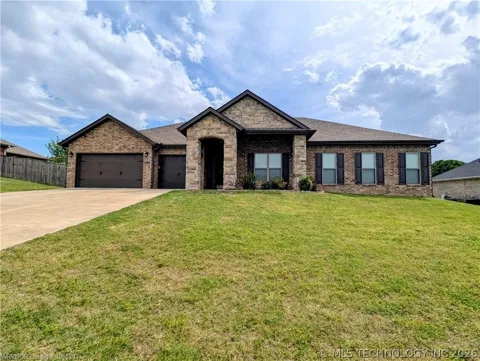
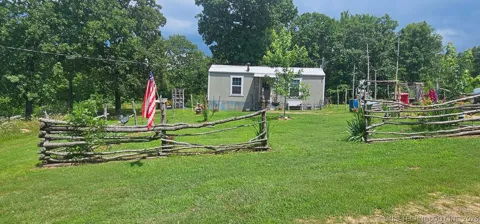
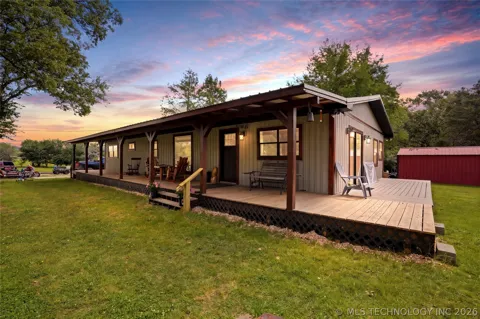
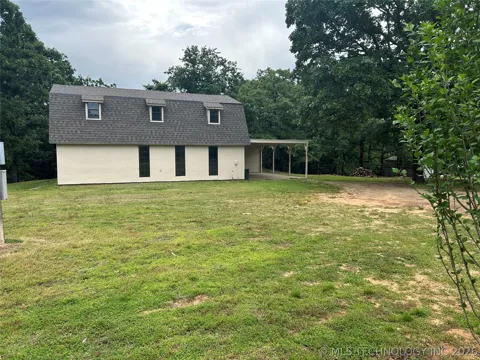
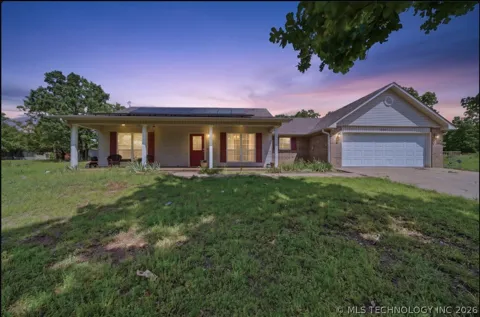
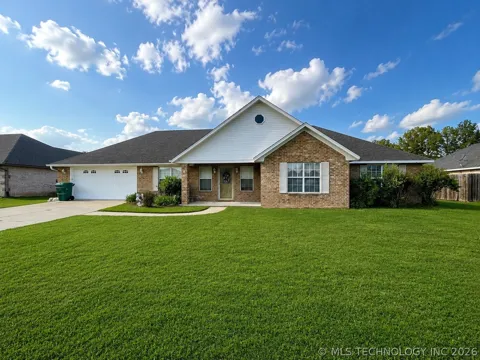
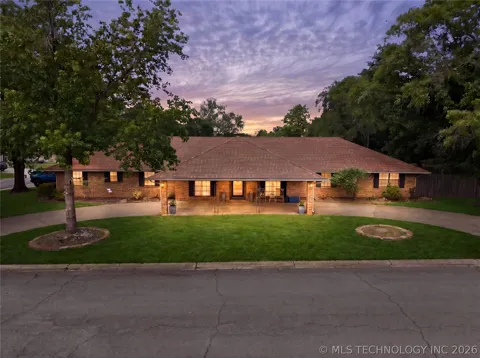
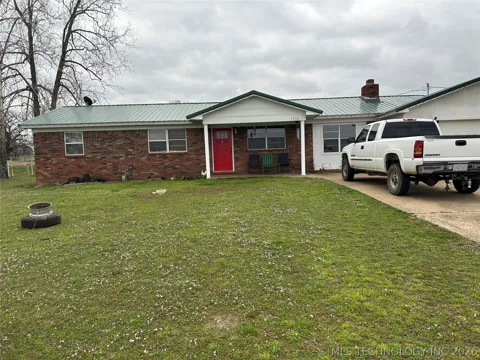
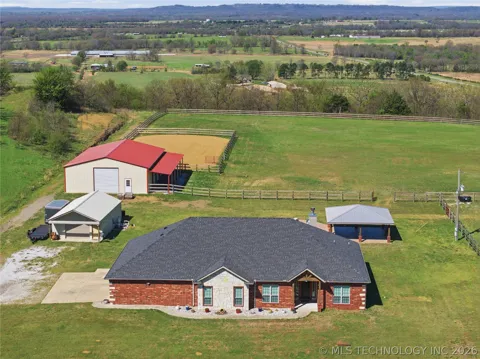
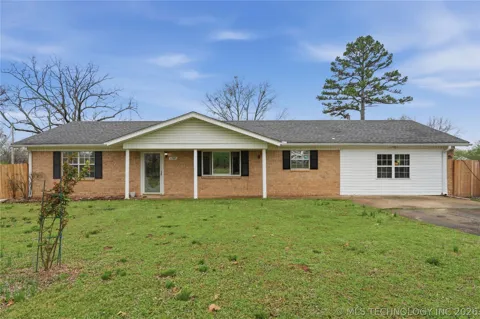
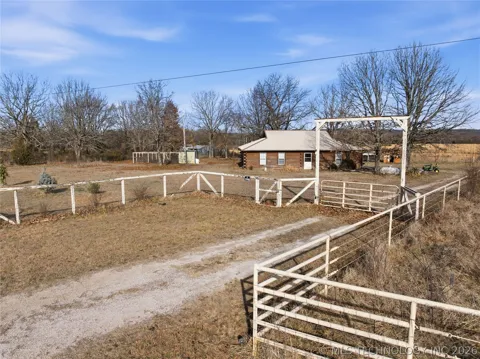
Houses in Sallisaw, OK
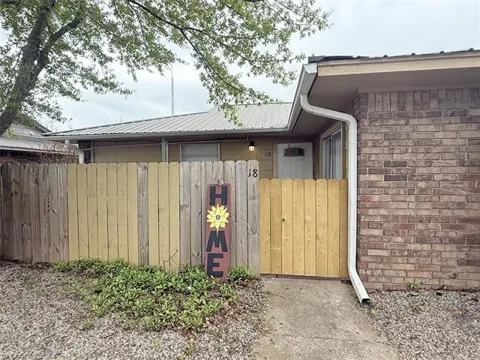
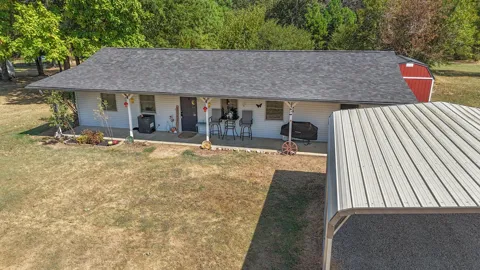
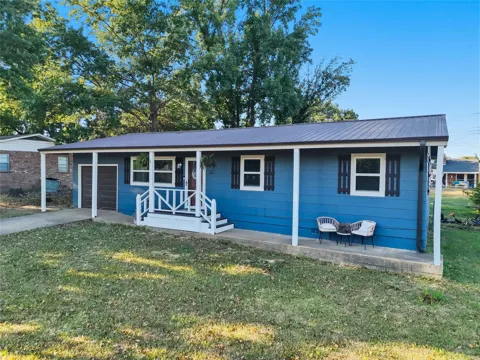
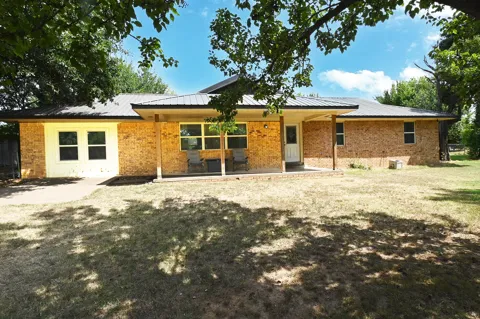
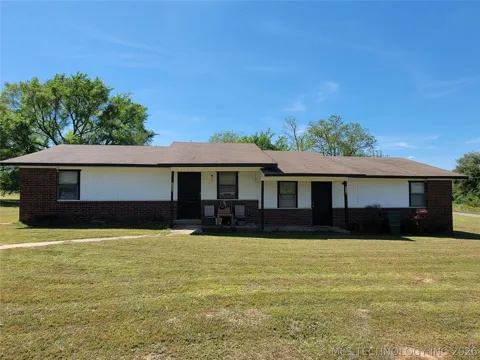
Townhouses & Duplexes in Sallisaw, OK
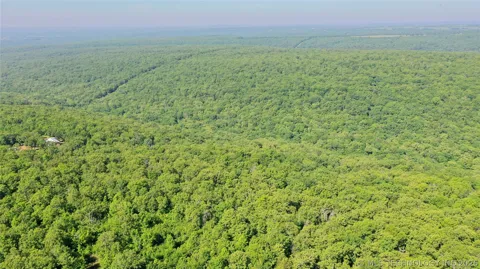
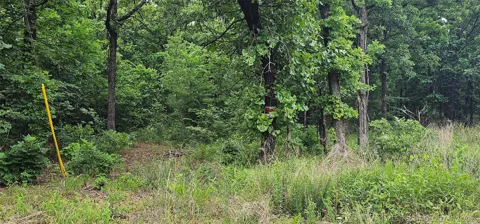
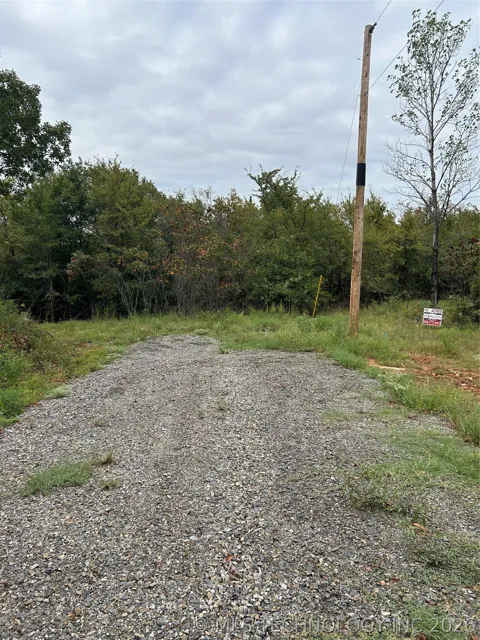
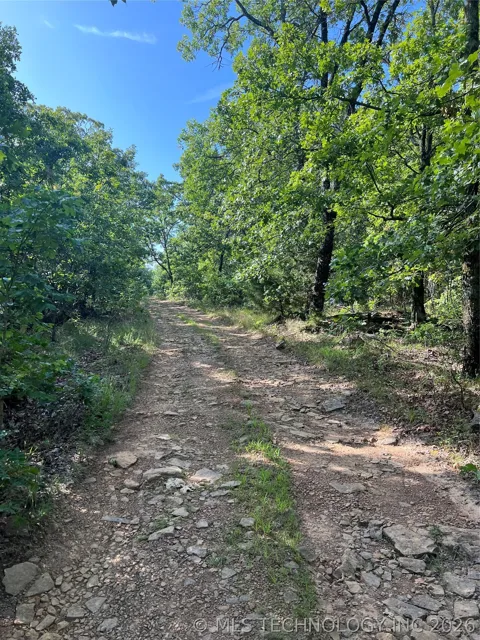
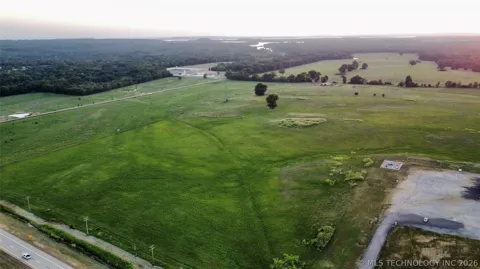
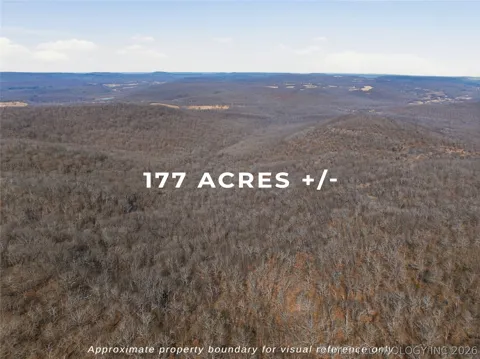
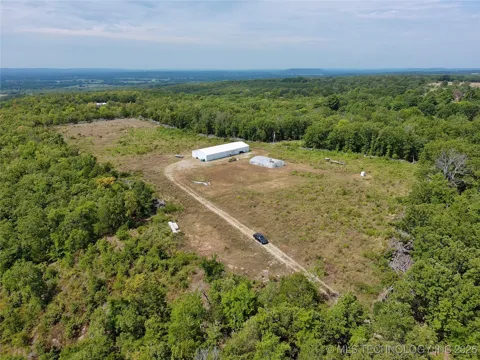
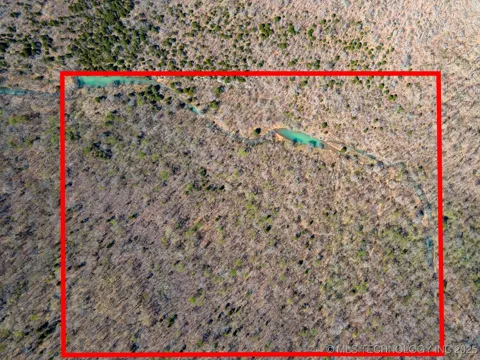
Lots & Land in Sallisaw, OK
MARKET SNAPSHOT
The Market at a Glance
How homes have been selling here over the last 90 days.
Price & Sales History
Market data reflects closed sales over the last 90 days and is provided for informational purposes.
Zip Codes
BROWSE BY ZIP
Browse listings by postal code in this area.
City Guide
About Sallisaw
Real Estate & Housing
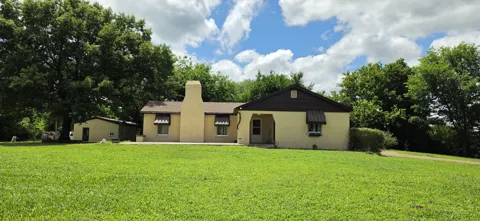
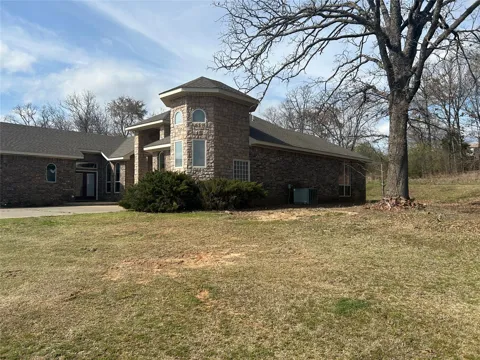
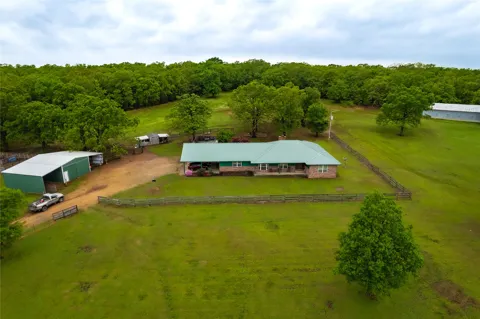
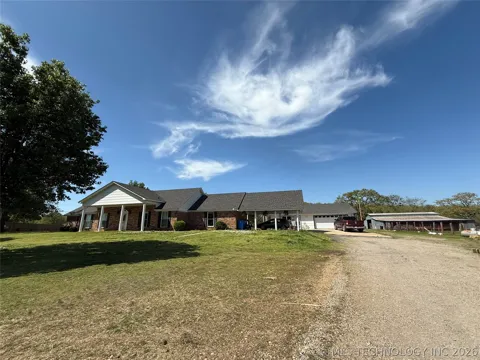
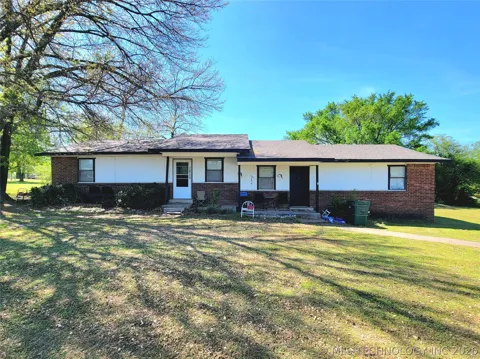
Sallisaw's housing stock reflects its history as a small eastern Oklahoma county seat. The older core features modest single-family homes, many built in the early-to-mid twentieth century, while newer construction has spread along the city's edges and near the Interstate 40 corridor. Lots are generally generous by urban standards, and ranch-style and brick homes are common. The market is oriented toward single-family ownership, with a mix of established neighborhoods and newer subdivisions, and housing remains broadly accessible compared with larger Oklahoma metros.
Neighborhoods
Sallisaw is organized around its historic downtown and the corridors of U.S. 59, U.S. 64, and Interstate 40. The downtown district retains its role as the civic and commercial heart of the county, with the courthouse and older storefronts anchoring the center. Established residential neighborhoods ring the downtown, while newer subdivisions have grown on the north side toward the interstate and on the town's outskirts. Because the city is compact, most neighborhoods are within a short drive of schools, shopping, and county services.
Lifestyle in Sallisaw
Sallisaw offers the lifestyle of a small regional hub in eastern Oklahoma. County government, schools, and healthcare anchor daily life, while the downtown and highway commercial districts provide shopping and services for the surrounding rural area. The Grapes of Wrath connection is a recurring theme in local culture, and community life centers on schools, churches, and seasonal events. Residents enjoy easy access to Kerr Lake and the Cookson Hills for recreation, and Fort Smith, Arkansas, lies a short drive east for larger-city amenities.
Schools & Education
Public education in Sallisaw is provided by Sallisaw Public Schools, which operates the city's elementary, middle, and high schools and serves students from the surrounding area as well. The district is a central institution in the community. For higher education, Carl Albert State College has a campus in nearby Poteau, and larger institutions are within reach in Fort Smith and the Tulsa area, though most students attend the local district for K–12 schooling.
Getting Around
Sallisaw's position on Interstate 40 gives it direct highway access east to Fort Smith, Arkansas, and west toward Oklahoma City. U.S. Highways 59 and 64 provide north-south and diagonal connections through the city and into the surrounding county. The city is a stop on the region's highway network, and Fort Smith Regional Airport, the nearest commercial airport, lies roughly thirty miles to the east. Trucking and highway-oriented commerce are a visible part of the local economy along the I-40 corridor.
Parks & Recreation
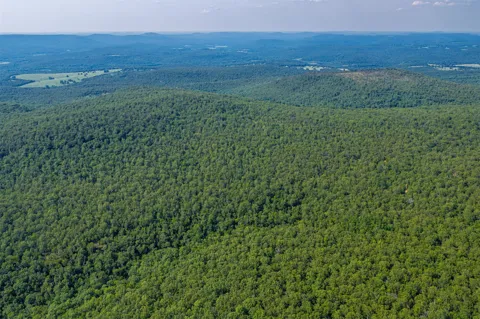
Robert S. Kerr Reservoir, commonly called Kerr Lake, is Sallisaw's principal recreational asset. The reservoir lies on the Arkansas River about eight miles south of town and offers roughly 250 miles of shoreline for boating, fishing, camping, and swimming, with marinas such as Applegate Cove serving boaters. The Cookson Hills, a rugged, wooded upland region, surround the area with hunting, hiking, and scenic drives. The lake-and-hills setting makes Sallisaw a base for outdoor recreation in eastern Oklahoma.
About Sallisaw
Frequently asked questions
What county is Sallisaw in?
Sallisaw is the county seat of Sequoyah County, in eastern Oklahoma. It is the largest city in the county and sits along the Interstate 40 corridor near the Arkansas state line.
Why is Sallisaw connected to The Grapes of Wrath?
John Steinbeck used Sallisaw as the starting point for the Joad family in The Grapes of Wrath, the novel about Oklahoma families who left the Dust Bowl for California during the Great Depression.
What is Robert S. Kerr Reservoir?
Robert S. Kerr Reservoir, also called Kerr Lake, lies on the Arkansas River about eight miles south of Sallisaw. The reservoir has roughly 250 miles of shoreline and offers boating, fishing, and lake recreation.
What is Sallisaw's economy based on?
Sallisaw serves as a commercial and government center for Sequoyah County, with county offices, retail, and services concentrated along the Interstate 40 corridor. Agriculture and manufacturing also contribute to the local economy.
Still have questions about Sallisaw?
Get in touchExplore the area
