
Oil-Boom Town in Carter County
Listings in Wilson, OK
Welcome to Wilson, a small Carter County city on U.S. Highway 70, founded by an oilman and a circus magnate and shaped by southern Oklahoma's early oil boom.
Wilson is a small city in southwestern Carter County, Oklahoma, on U.S. Highway 70 about 16 miles west of Ardmore, the county seat, and 35 miles east of Waurika. Its roughly 1,500 residents live in a community whose brief, dramatic oil-boom history still shapes its identity and streetscape. Wilson was founded in September 1913 by two larger-than-life partners: Jake Hamon, an Ardmore oilman, and John Ringling, the circus magnate. The two envisioned building a railroad from Ardmore toward the Pacific, and although that grand plan never materialized, they did construct the Oklahoma, New Mexico and Pacific Railroad — the "Ringling Road" — as far as the town of Ringling. The new railroad town was named Wilson for Ringling's secretary, Charles Wilson, and was initially called "New Wilson" to distinguish it from an older Wilson settlement southeast of Ardmore. The oil boom transformed the fledgling town almost overnight. By the end of 1914, Wilson was estimated to hold more than 2,000 residents, and by early 1918 its population approached 3,000 as workers flocked to the Arbuckle-region oil fields. The boom eventually cooled, and Wilson settled into the quieter rhythms of a southern Oklahoma agricultural and oil-country town. Today Wilson is a low-key community served by U.S. Highway 70, with Ardmore — the region's commercial and medical hub — a short drive east. Wilson Public Schools serves local students from elementary through high school. The town's history as a Ringling-and-oil creation gives it an unusually colorful backstory for a town of its size. Who Wilson suits: it appeals to those seeking small-town or rural living in southern Oklahoma with an easy drive to Ardmore and the Arbuckle Mountains, and an interest in the region's oil-patch heritage.
Get more information about Wilson
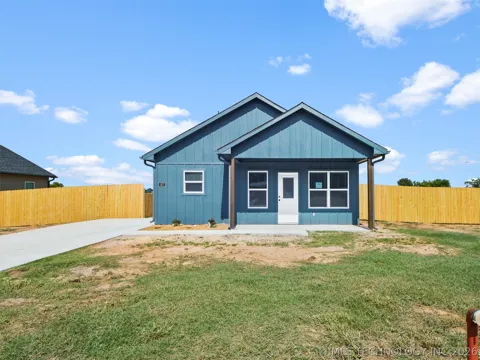
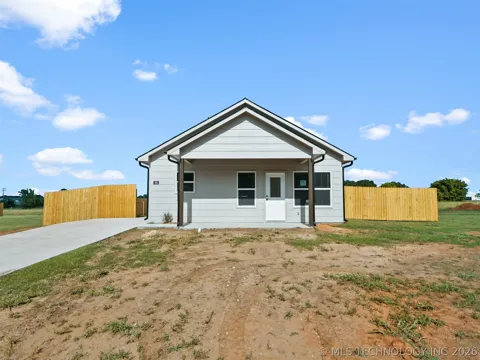
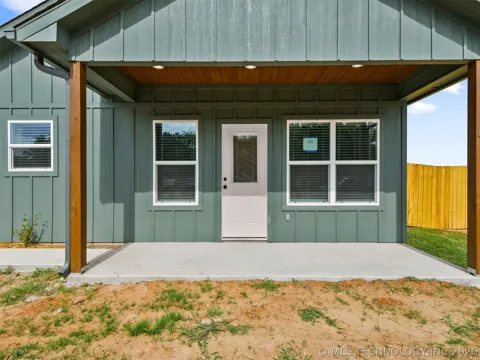
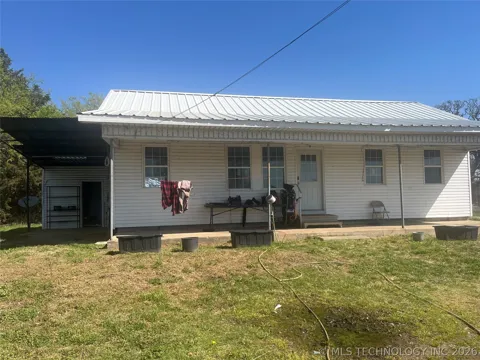
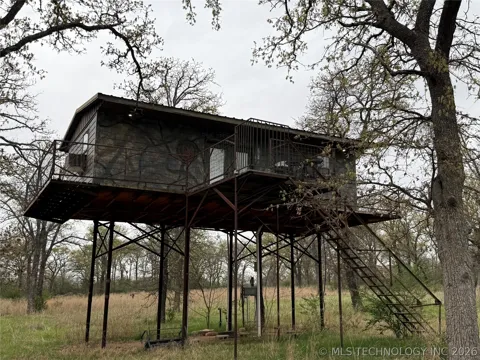
Houses in Wilson, OK
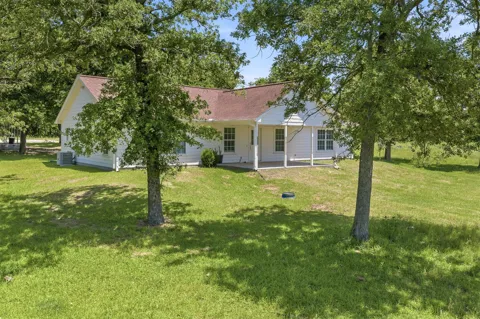
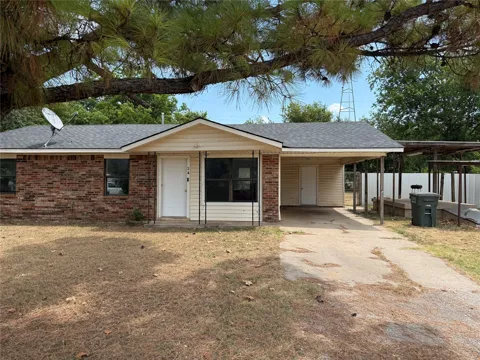
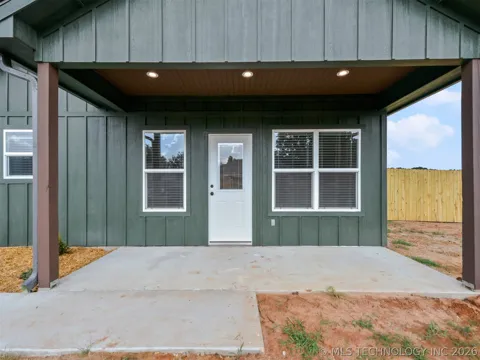
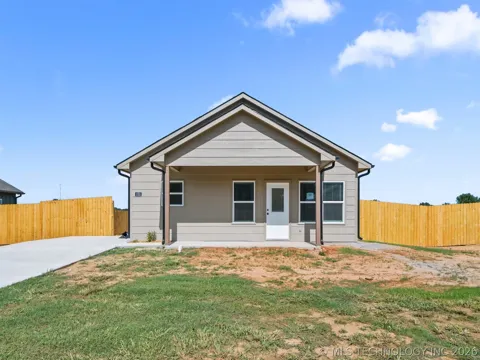
Townhouses & Duplexes in Wilson, OK
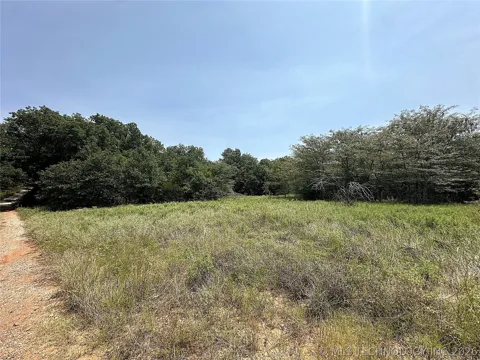
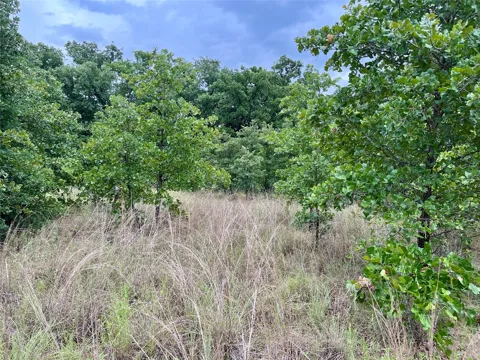
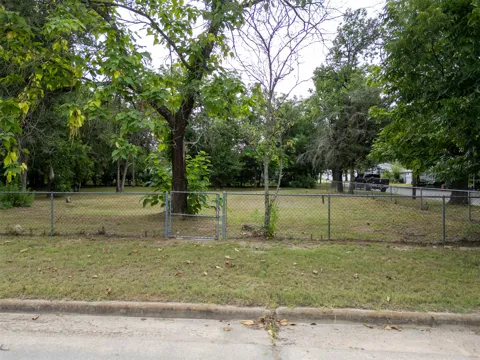
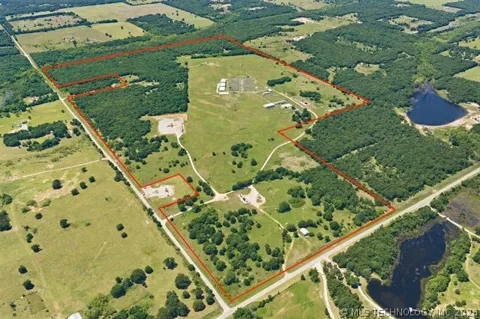
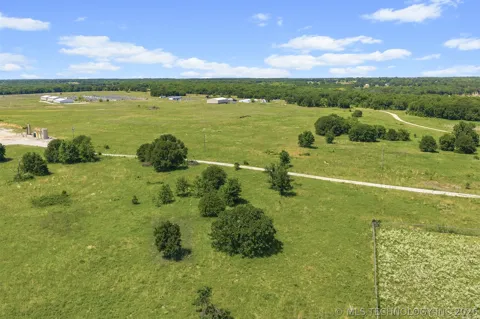
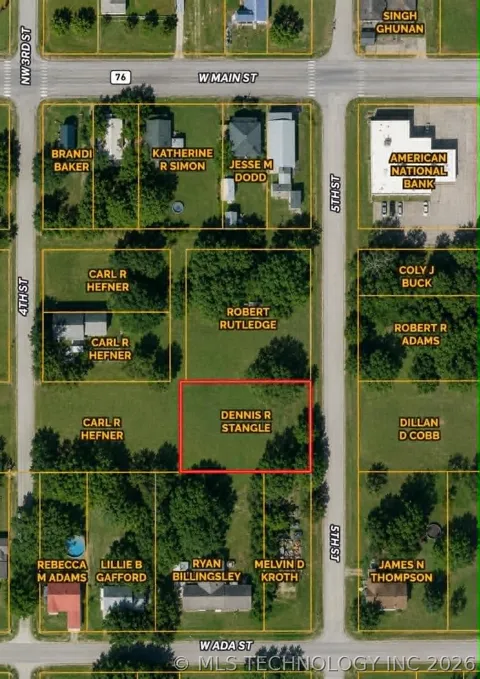
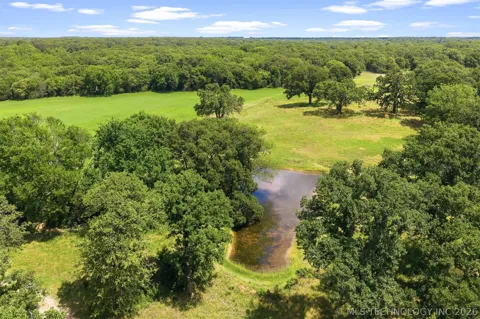
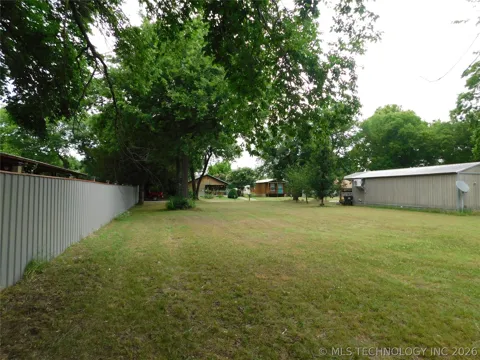
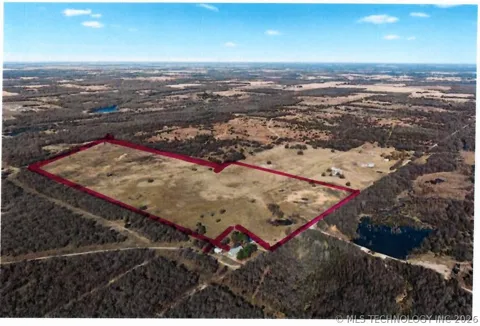
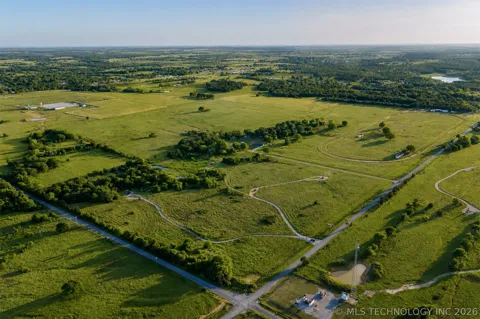
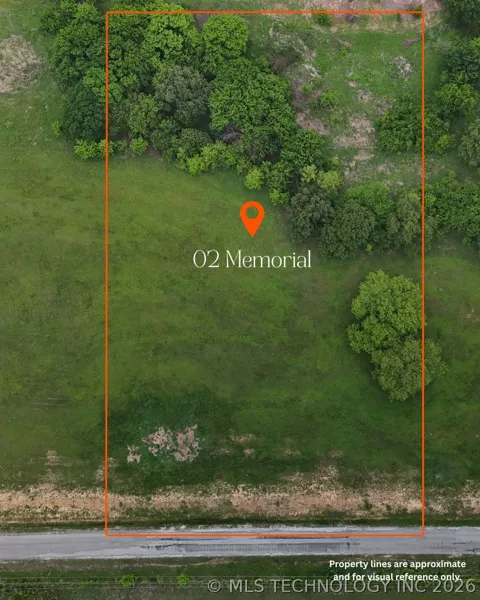
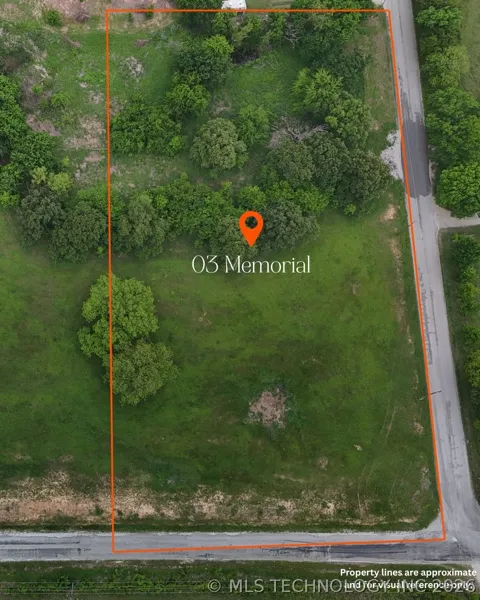
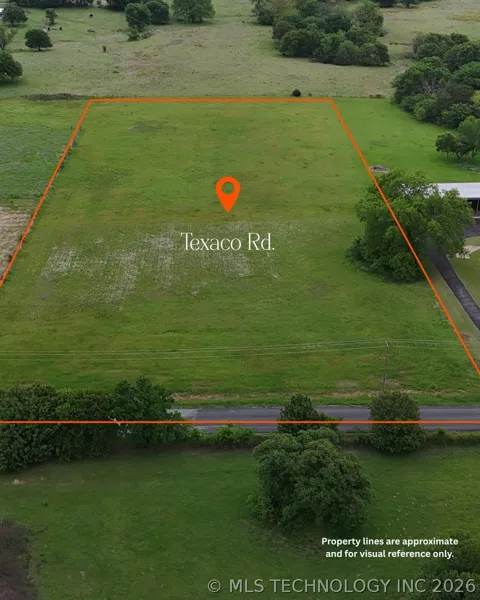
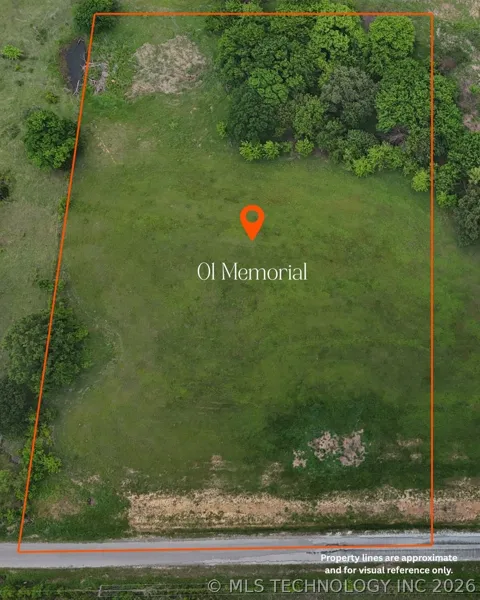
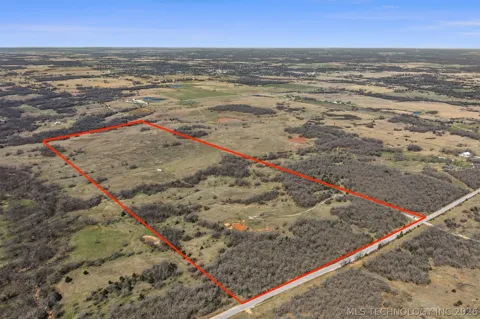
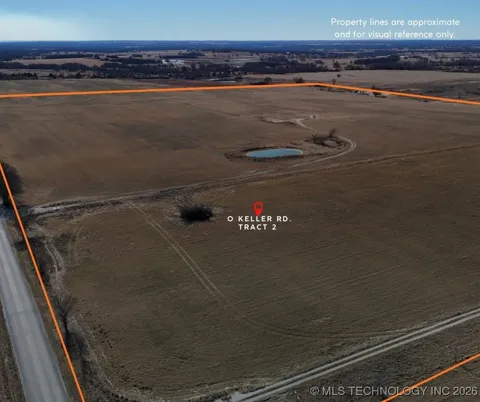
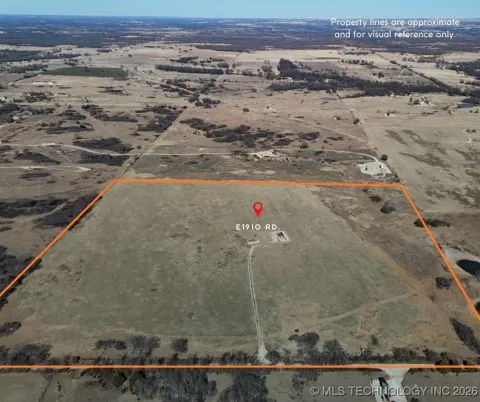
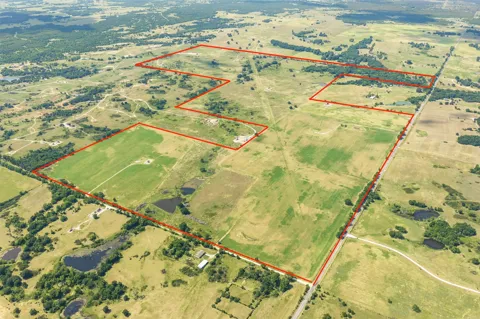
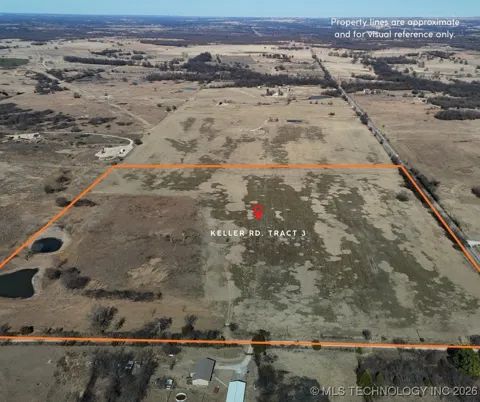
Lots & Land in Wilson, OK
MARKET SNAPSHOT
The Market at a Glance
How homes have been selling here over the last 90 days.
Price & Sales History
Market data reflects closed sales over the last 90 days and is provided for informational purposes.
Zip Codes
BROWSE BY ZIP
Browse listings by postal code in this area.
City Guide
About Wilson
Real Estate & Housing
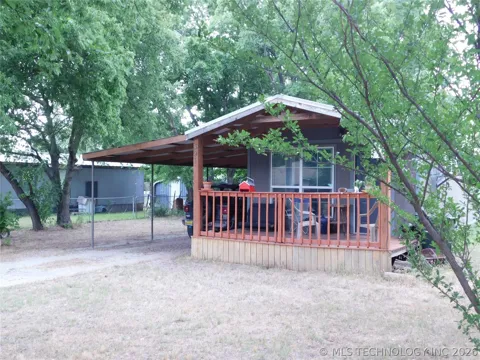
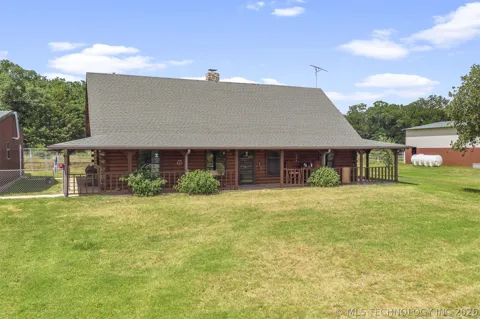
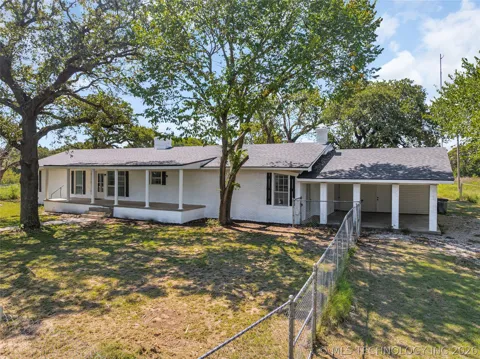
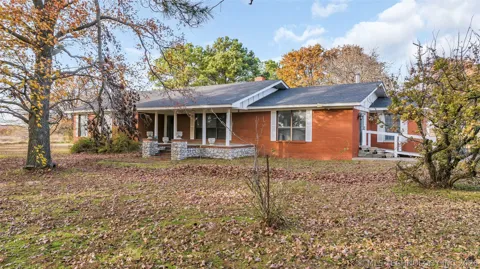
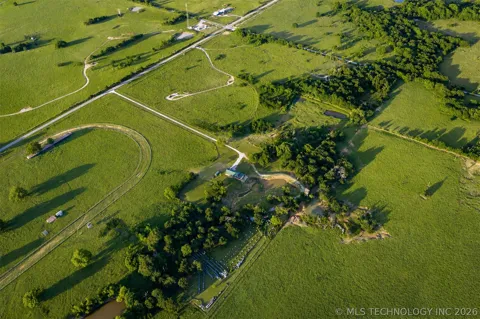
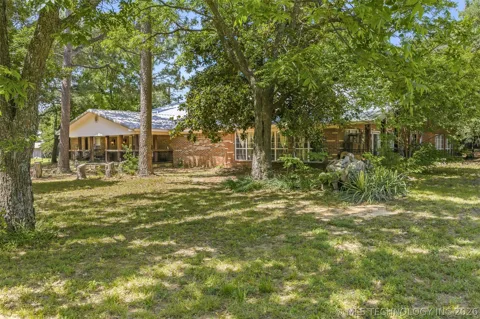
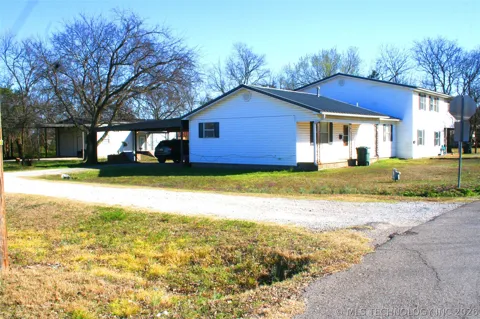
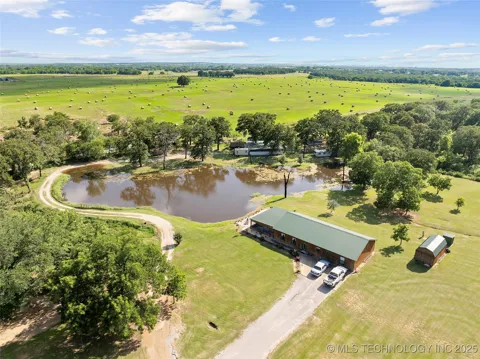
Wilson's housing is modest and small-town, with older single-family homes from the oil-boom and mid-century eras alongside later ranch-style houses and some manufactured homes. Lots are generally conventional in town, while the surrounding countryside offers acreage and rural parcels. The market is quiet and resale-driven, with little large-scale new construction, and the overall character remains low-density and residential, reflecting the town's oil-patch past and its present as a quiet agricultural community.
Neighborhoods
Wilson functions as a single small city rather than a collection of distinct neighborhoods. The historic core near the original townsite and the old Ringling Road alignment holds the oldest homes and the downtown blocks, while residential streets spread outward toward U.S. Highway 70 and the surrounding countryside. Beyond the city, rural roads lead through oil-patch and ranch land, giving the community a spread-out, open feel.
Lifestyle in Wilson
Life in Wilson is quiet and community-based, rooted in the town's oil-patch and railroad heritage and its agricultural surroundings. Daily errands, shopping, and medical care send residents the short distance east to Ardmore, while the Arbuckle Mountains and area lakes provide weekend recreation. The town's history — the Ringling Road and the 1910s oil boom — is a point of local pride. The pace is unhurried, suiting those seeking simplicity.
Schools & Education
Students in Wilson attend Wilson Public Schools, the local district serving the city and parts of Carter and Love counties. The district operates elementary, middle, and high school campuses in Wilson, anchoring community life through school events, activities, and athletics. For specialized academic programs and higher education, families look to nearby Ardmore, Murray State College, and the broader southern Oklahoma region.
Getting Around
Wilson sits on U.S. Highway 70, which runs east about 16 miles to Ardmore, the Carter County seat, and west toward Waurika and the Red River valley. Ardmore provides regional shopping, medical care, and Interstate 35 access for travel north to Oklahoma City and south toward the Dallas-Fort Worth area. As in most of southern Oklahoma, daily life is car-dependent, with the town's compact layout keeping everyday errands short.
Parks & Recreation
Recreation around Wilson centers on the southern Oklahoma outdoors. The Arbuckle Mountains, with their lakes, springs, and recreation areas, lie a short drive to the northeast near Ardmore, and the region's reservoirs and state parks offer boating, fishing, camping, and hiking trails. The town's school fields and small parks serve everyday recreation and youth sports, while the open countryside supports hunting, riding, and other rural pastimes throughout the year.
About Wilson
Frequently asked questions
What county is Wilson in?
Wilson is in southwestern Carter County, Oklahoma, on U.S. Highway 70 in southern Oklahoma. The city lies about 16 miles west of Ardmore, the county seat, and about 35 miles east of Waurika.
What is Wilson named for?
Wilson was named for Charles Wilson, the secretary of circus magnate John Ringling, who co-founded the town with Ardmore oilman Jake Hamon in September 1913. It was initially called New Wilson.
Who founded Wilson?
Wilson was founded in 1913 by Jake Hamon, an Ardmore oilman, and John Ringling, the circus magnate. The pair planned a railroad toward the Pacific and built the Ringling Road through the area.
How did the oil boom shape Wilson?
During the 1910s oil boom, Wilson grew at a remarkable pace, reaching an estimated 2,000 residents by the end of 1914 and approaching 3,000 by early 1918 as workers arrived for the Arbuckle-region oil fields in southern Oklahoma.
What school district serves Wilson?
Students in Wilson attend Wilson Public Schools, the local district serving the city and parts of Carter and Love counties. The district operates elementary, middle, and high schools in the city.
Still have questions about Wilson?
Get in touchExplore the area
